The first warning was not a newspaper headline. It was a child standing in a bathroom, frozen as Robert appeared behind a shower curtain wearing a gas mask and holding a machete. He laughed when she wet herself.
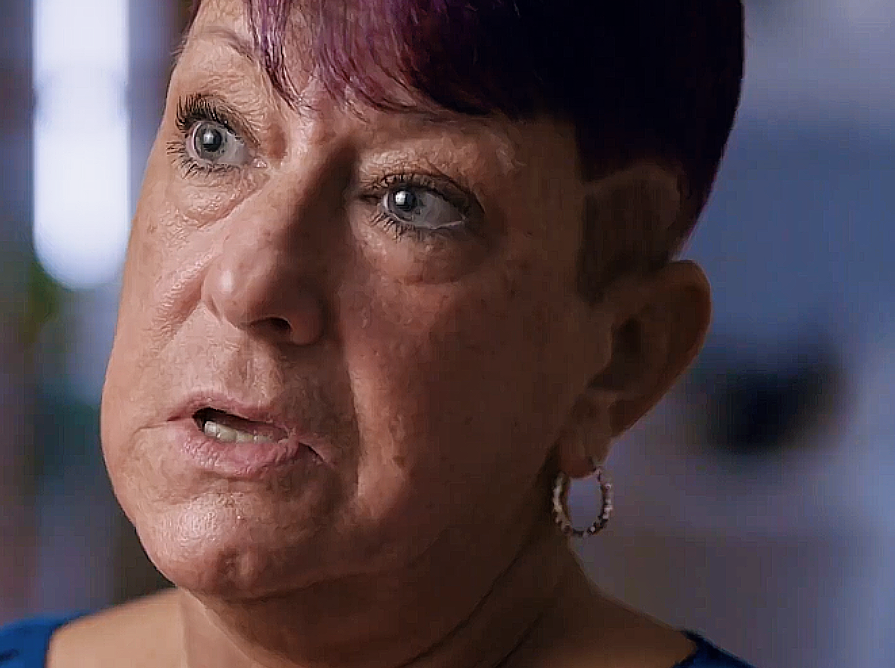
Years later, the same child—identified in the documentary transcript as Trina—would remember guns pointed at her head, a belt used as punishment, dogs killed or harmed, and threats that made death seem easier than another day inside the house. When a lawyer eventually called her mother with news about Robert Cordell, the family was not surprised that he had become involved in deadly violence. They were shocked that it had taken so long.
The account presented in the transcript is a survivor’s reconstruction of how control grew inside a family, how warnings were minimized, and how fear became a permanent presence long before prosecutors said Cordell killed three people.
A New Man in a Military Family
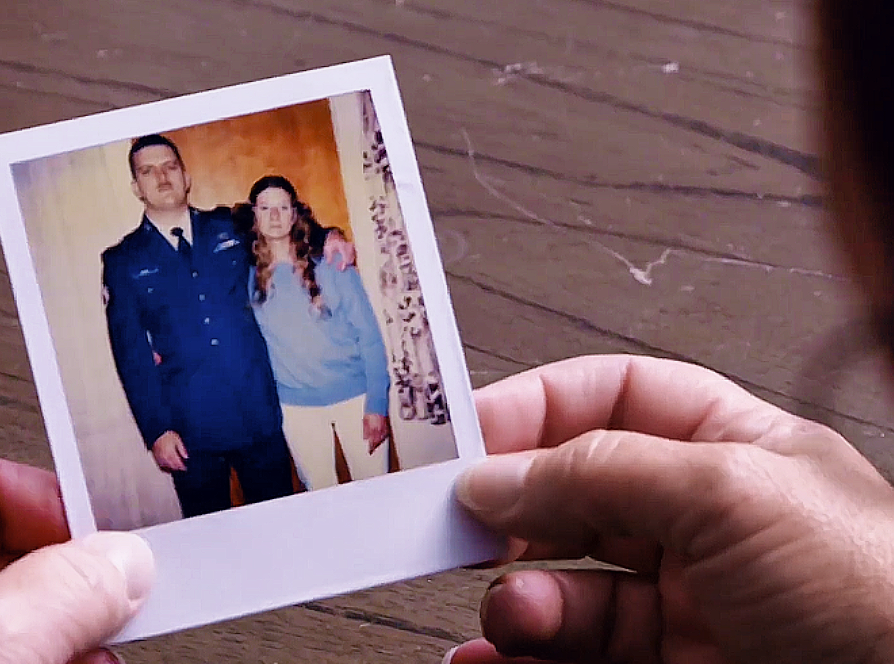
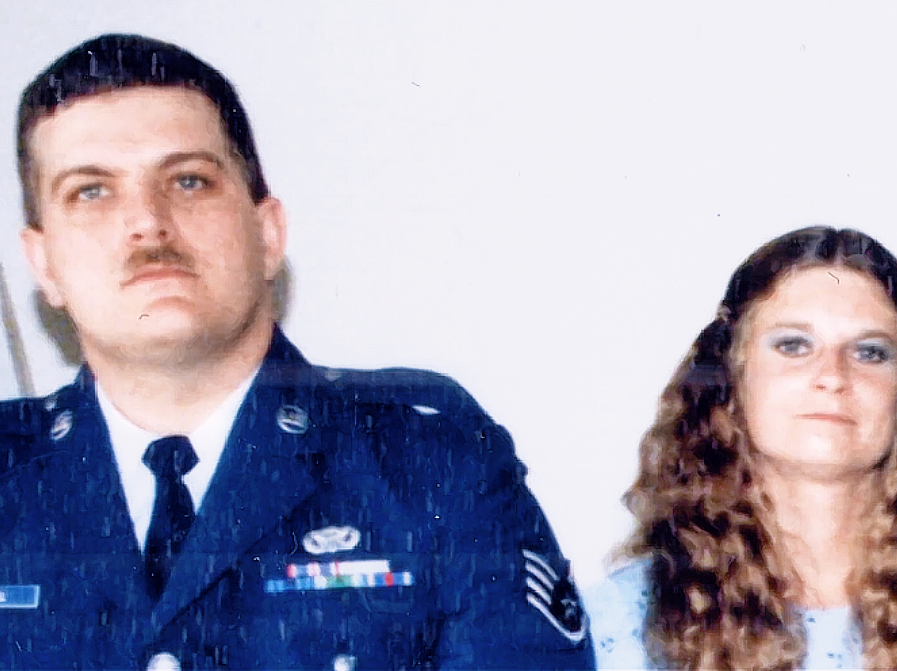
Before Robert entered the household, Trina described her family as close and ordinary. She, her mother and her sister were tightly connected. Her father was serving in the Air Force and had been out of the country for an extended period. Trina understood that her mother was lonely and facing the challenge of raising two young children largely on her own.
Her mother met Robert through a neighbor at a military installation’s NCO club. At first, Robert was an adult who seemed larger than life to a seven-year-old girl preparing to turn eight. He worked in military police and wore camouflage clothing and a camouflage hat outside work. To Trina, the military image initially looked almost exciting. She later said the family believed he might really be the kind of man he presented himself to be.

The relationship moved quickly. Robert began by visiting on weekends or staying for a few days. Within roughly six months, according to Trina’s recollection, he was there all the time. His arrival changed the household’s emotional balance. The man who had once been a visitor became the person around whom everyone else had to organize daily life.
That change mattered because his authority did not develop through trust. It developed through intimidation.
Control Arrives Before the Overt Violence
Robert kept guns in the home and cleaned them on a coffee table near his regular seat on the couch. In the basement, he set up a target and shot old Barbies and dolls. The behavior was framed as recreation, but Trina experienced it as a display of power. She had not grown up around guns, and the sight of them—along with their cleaning supplies and Robert’s comfort around them—made the home feel unsafe.
The first episodes did not always look like crimes to an outside observer. Robert frightened a child with a gas mask and machete, then treated her terror as a joke. He established rules that turned ordinary requests into tests of obedience. If Trina or her sister wanted to go roller skating or asked for something else, he could order them to do push-ups. Sometimes he required them to count the repetitions aloud.

The point, Trina later said, was not physical fitness. It was dominance. She stopped asking for things because any request could become a punishment. In the family’s account, Robert was testing what he could impose and whether anyone would challenge him. The more often the family complied, the more normal his authority became.
This is one of the clearest patterns in the transcript: control expanded through small, repeated acts. A child learned to anticipate punishment. A mother appeared reluctant to confront the man who had taken over the home. A household adjusted itself around his moods. The result was a form of confinement that did not require locked doors.

When Punishment Became a System
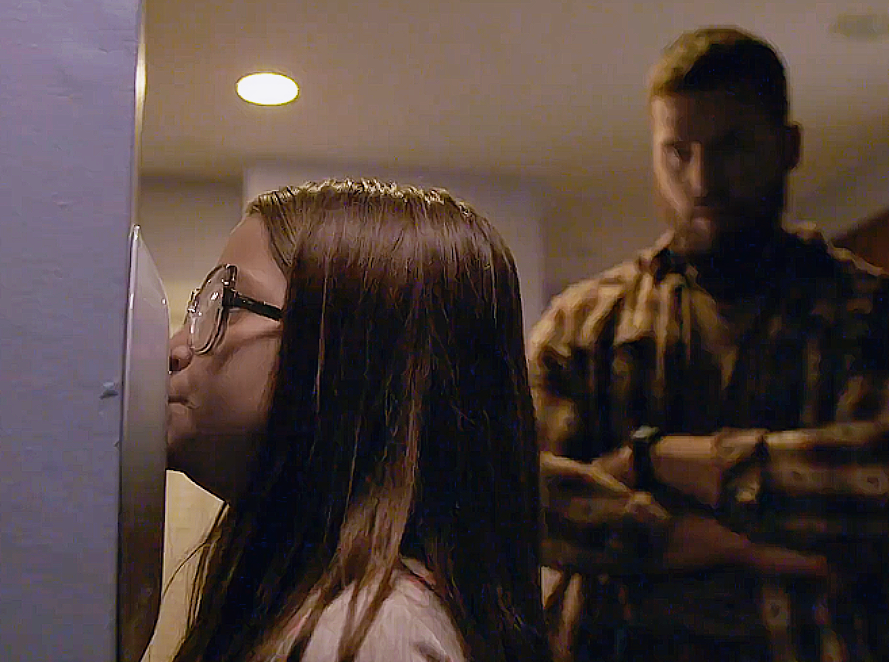
Trina was eight when Robert required her to wash dishes. She was too short to reach the sink properly. On one occasion, he woke her before school and pointed out a plate with food still stuck to it. He ordered her to hold the plate against the wall with her nose. He warned her that she would pay if she dropped it.
She remembered standing there for approximately 30 to 45 minutes, trying not to cry and wondering what would happen next. The punishment had no meaningful connection to the plate. Its function was humiliation and uncertainty. The child was not being taught how to clean dishes; she was being taught that Robert could interrupt her sleep, control her body and prolong fear whenever he chose.
Later, when Trina came home about 30 minutes after the streetlights came on, Robert beat her with his military belt. She said the marks remained for days. He eventually used a cutting board she had made for her mother as a paddle. Trina had spent weeks cutting, sanding and finishing the board. She had been proud to give it as a gift. Robert took it, said it would be perfect for a paddle, altered it and used it against her.
The significance of that moment went beyond the physical pain. Something made for affection was converted into an instrument of punishment. Trina described being forced to choose between the thick leather belt and the paddle. She chose the paddle because she already knew what the belt felt like.
In retrospect, she understood the escalation as a process of grooming and boundary testing. Each incident asked the same question: Would anyone stop him? When no effective challenge followed, the next violation could become easier.
The Dogs and the Message Behind Their Deaths
Robert’s treatment of the family’s dogs became another expression of control. Trina received a puppy named Buster for her birthday. She saw the dog as hers and believed Robert could not take him away. Robert disliked Buster from the beginning and made clear that caring for the dog would be Trina’s and her mother’s responsibility.
Then Buster disappeared. Trina searched the house, already afraid that Robert had done something to him. Robert was sitting on the couch. According to her account, he told her that he had broken Buster’s neck and thrown him in the garbage. She ran to her room and cried through the night.
The statement changed the way she understood danger. If Robert could kill a dog, she reasoned, he could kill a person. She did not know whether she would be next.
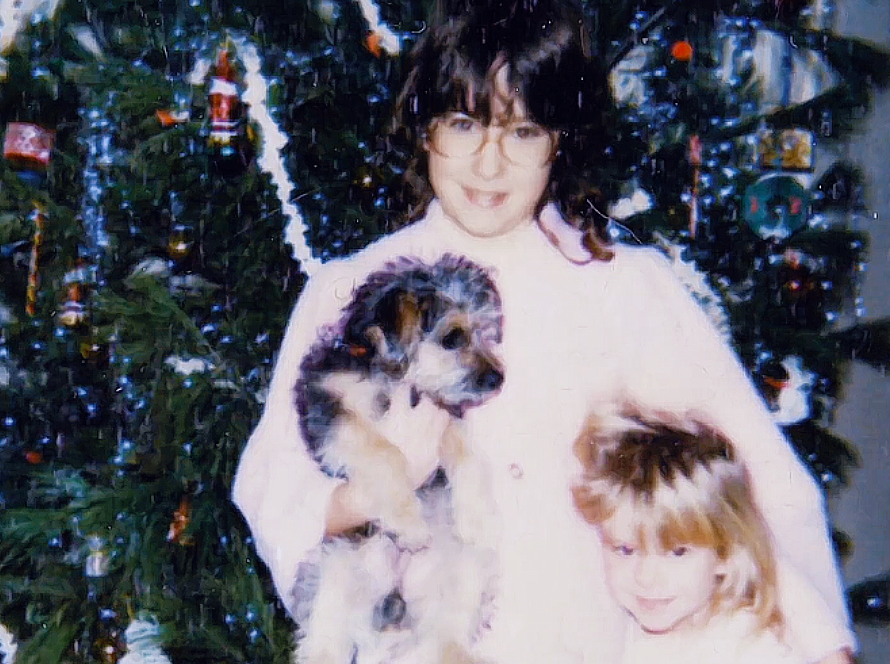
A later dog, Rocky, briefly seemed to Trina like an attempt to make things right. Instead, she said Robert again turned the animal into something he could control and destroy. When Rocky broke out of a 4-by-4 run, Robert grabbed the chain and swung the dog through the air. Trina described hearing Rocky’s cries and watching Robert shoot him five times because, she said, he would not die.
These accounts are presented in the transcript through Trina’s memory. They are not independent forensic findings supplied in the source material. But within the story, the dogs were not incidental. Their deaths communicated a warning to everyone in the house: Robert could decide who was safe, who suffered and who disappeared.
After Rocky was killed, Trina said she understood that nobody was safe. She looked toward her mother for a response and saw silence. In her interpretation, her mother was afraid of what would happen if she spoke. Fear had become the household’s governing rule.
S-e-x-u-a-l Abuse and the Locked Bedroom Door
The abuse also became s-e-x-u-a-l. Trina described waking to Robert’s hands under her shirt or inside her pants, with the smell of beer on him. She tried to protect herself by wearing several tank tops beneath a shirt. Her childhood logic was simple: if there were enough layers, perhaps he could not reach her.
She cried herself to sleep and eventually told her mother. Her mother spoke with Robert, and the behavior stopped for a short time. Then it began again. When Trina reported that he was doing it again, her mother asked what she wanted her to do. Trina answered that she wanted to be a child.

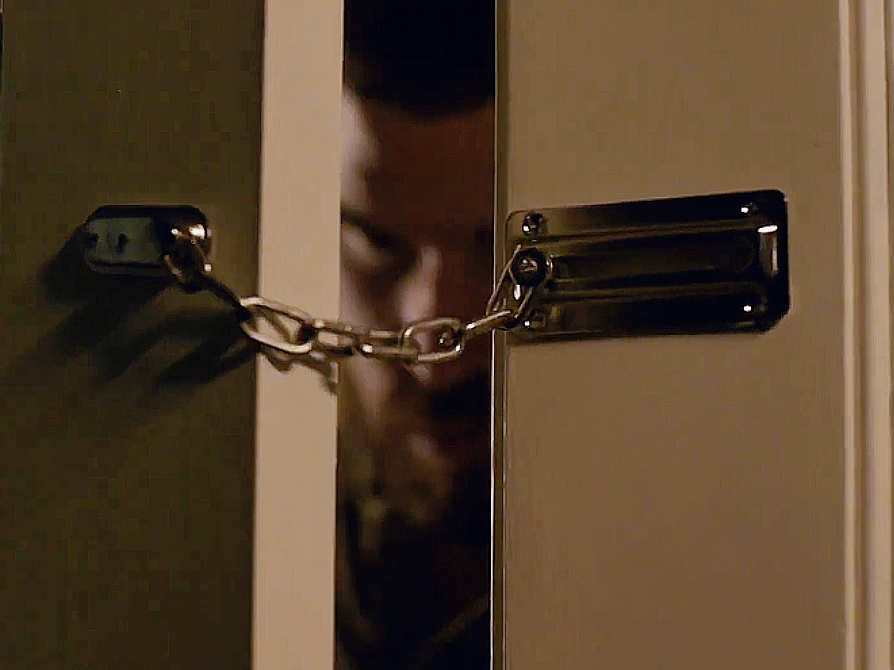
The solution offered was a slide-chain lock. Trina waited for bedtime and looked forward to sleeping without being disturbed. When Robert tried the door and could not get in, she heard him confronting her mother. He asked what she had done. The mother’s voice, as reproduced in the transcript, protested, “No, don’t touch me.”
For one night, the lock created a boundary that Robert could not immediately cross. Trina interpreted her mother’s decision as a moment of courage—a step toward telling him to leave and reclaiming control of her own life. But the existence of the lock also revealed how far the situation had deteriorated. A child needed a physical barrier inside her own home to sleep safely.
Trina later noticed a large injury on her mother’s back. Her mother said she had fallen into a bedside table. Even as a child, Trina rejected the explanation as a justification for Robert putting his hands on her mother. She began to see the abuse as a pattern affecting everyone in the household, not only herself.

A Gun, a Threat and a Child Who Stopped Being Afraid
Robert’s guns were not merely present. According to Trina, he used them to create direct fear. One afternoon, while he cleaned a gun and her mother cooked dinner, Robert pointed the weapon at Trina and said he could shoot her. He asked what she would do.
She was stunned. Robert then returned to cleaning the gun as though nothing had happened. The normality of that transition was part of the threat. He could place a gun on a child and then resume an ordinary household activity without acknowledging the terror he had created.

A second incident occurred in a conversion van at a cousin’s home. Trina’s mother briefly went to a corner store. Robert argued with Trina, pulled a gun from beneath the seat and held it to her head. She remembered his serious expression. Looking at her mother in the rearview mirror, she thought she might be better off if Robert actually fired. Death seemed preferable to continuing to live under his control.
Instead of pleading, she told him to pull the trigger and warned that he would have a lot to explain to her mother. Trina believed Robert intended to shoot her that day. But he placed the gun back beneath the seat.
The moment marked a psychological break. She said she was no longer willing to accept everything he had been doing. She would talk back and fight back. The weapon remained a lethal object, but the fear that had governed her began to lose its absolute power.
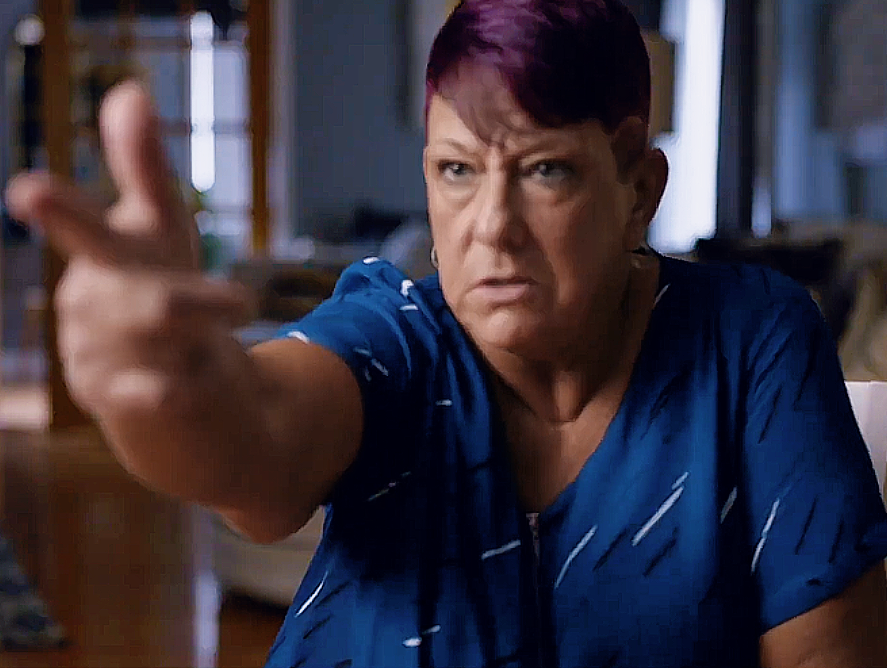
The Motorcycle Crash and a Threat That Came True
As Robert’s marriage to Trina’s mother dissolved, his behavior moved beyond the household. The transcript includes a newspaper report about a fatal motorcycle crash. It identified Robert Cordell, 32, as the driver and said a passenger died from injuries sustained in the accident. The report said both men had been drinking, that Robert had been traveling at a high rate of speed and that the investigation continued.
Trina’s account adds a more disturbing context. She said Robert had been having an affair with his friend’s wife and told her mother he would get the friend out of the picture. According to Trina, Robert described a plan to get the man drunk, place him on the back of his motorcycle and drive fast enough to throw him off. She said the crash happened as he had described.

The transcript does not provide a complete legal record of that case. It does state that Robert did not serve jail time for it after his family fought against incarceration. Trina said she believed he had murdered his best friend, while the newspaper passage in the program described the event as a fatal crash and an investigation into drunken driving.
That distinction is essential. The evidence provided here supports reporting the survivor’s allegation and the contemporaneous description included in the SRT. It does not support presenting the alleged intent as an adjudicated fact. What can be said is that, to Trina, the incident confirmed a terrifying pattern: Robert made threats, and people around him failed to treat them as credible until someone was dead.
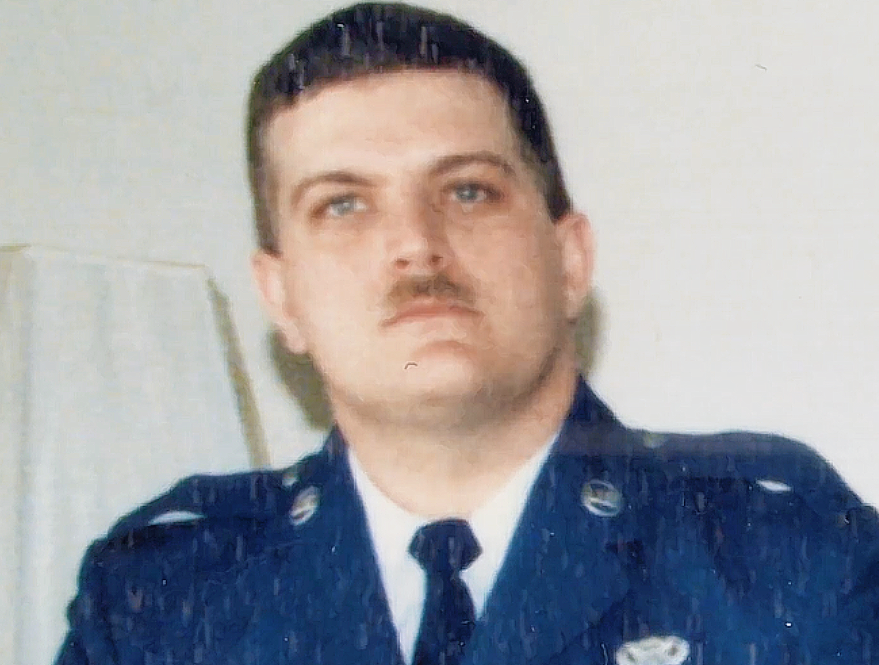
Leaving Did Not End the Fear
Eventually, Trina’s mother found the courage to leave the relationship. The transcript says she was divorcing Robert and made him go. The family did not leave the home; she removed him from it. Trina remembered the immediate physical sensation of his absence. She could breathe. She could expand her lungs fully.
Freedom, however, did not erase the danger. Robert stalked them and repeatedly called the house. He left messages saying he was on his way to kill Trina’s mother and that he would do to her what he had done to his friend. His calls came back to back, filling the answering machine with threats.

Trina believed he was capable of carrying out every one of them. Even when he was gone, she continued to feel anxious. She said she might not feel calm until he was dead and she knew he was gone.
This part of the story illustrates why leaving an abusive relationship is not the same as becoming safe. The abuser’s physical absence can coexist with stalking, threats, trauma and the fear that the next call will become an attack. For Trina, the home was quieter, but Robert’s power continued through memory and the possibility of return.
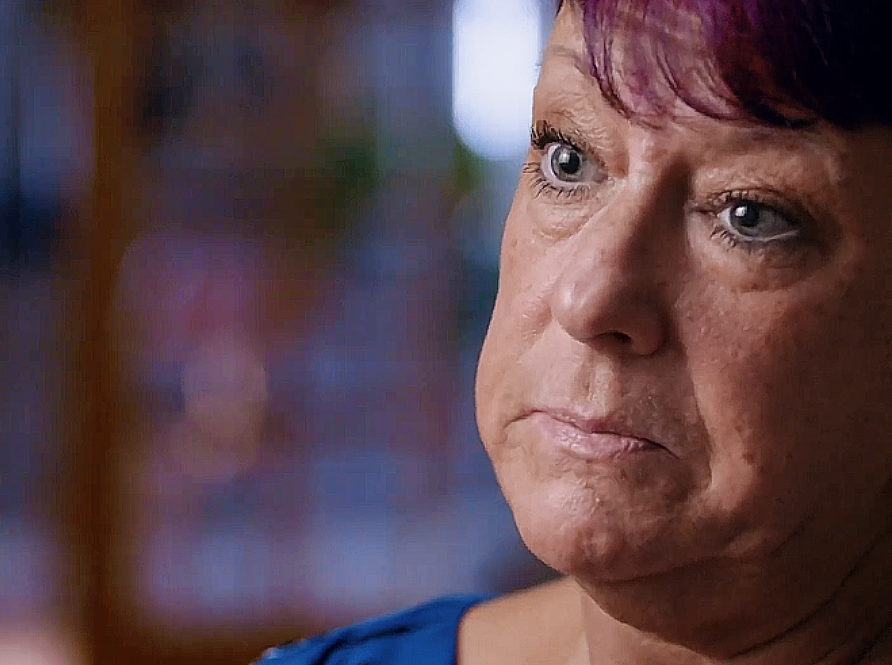
The 2002 Triple Killing
Around 2002, after Trina’s mother had moved, a lawyer called the new home. The caller asked about Robert Cordell. Then the family learned what had happened.
Television news reports included in the transcript said prosecutors accused Cordell of killing his neighbor, former Reading Mayor Frank Carnevale; his ex-wife, Rita Bushman; and his former sister-in-law, Kathy Cordell. The later account in the transcript says Kathy Cordell was strangled, while the neighbor was shot 12 times and Rita Bushman was also shot. Another report said police found blood on Cordell’s boots and that he eventually admitted killing his neighbors before telling police that his sister-in-law was dead inside the home.
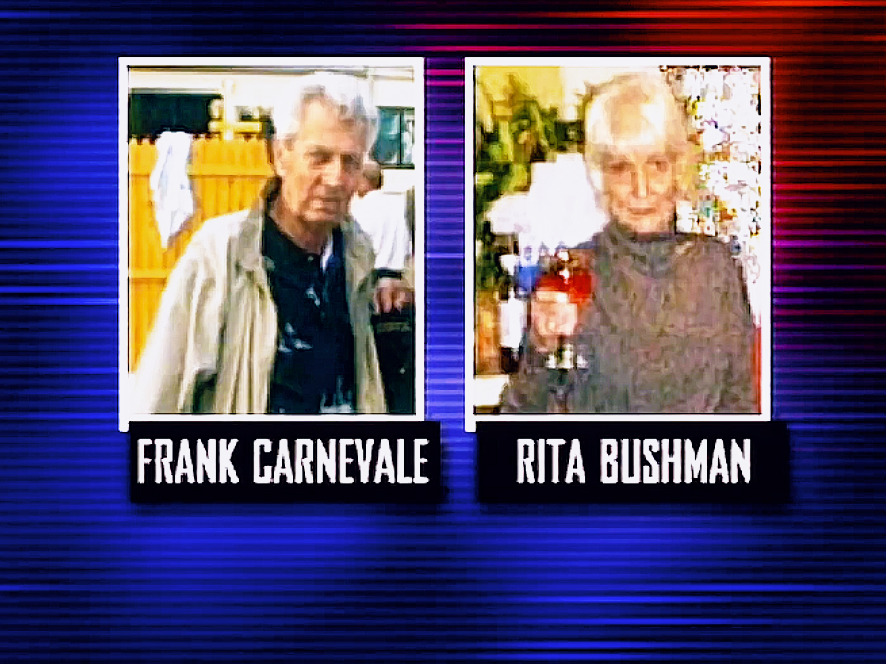
The transcript later describes the sequence in more detail. Trina said Cordell strangled Kathy Cordell and remained in the house for a day or two. He then went next door and confronted the neighbor about wanting his vehicle back, after which he shot him 12 times. When the neighbor’s ex-wife came to see what had happened, he shot her as well.
The victims’ family members appeared in court and described the killings as senseless. One relative said the victims had done much for Cordell and could not understand why he would hurt them.

For Trina, the news did not create a new image of Robert. It confirmed the image she had carried since childhood. She said the family was not surprised that he had killed, although they were shocked that he had done it. In her view, the violence had always been visible: in the guns, the belt, the dogs, the threats and the control.
The SRT does not provide a complete account of Cordell’s prosecution, conviction, sentence or present custody status. It also does not independently establish every allegation made in the interviews. A responsible account must keep those limits visible. The most supportable conclusion from the source is that the documentary presents Trina’s testimony alongside news reports about a triple killing attributed by prosecutors to Robert Cordell.
What Remained for the Survivors
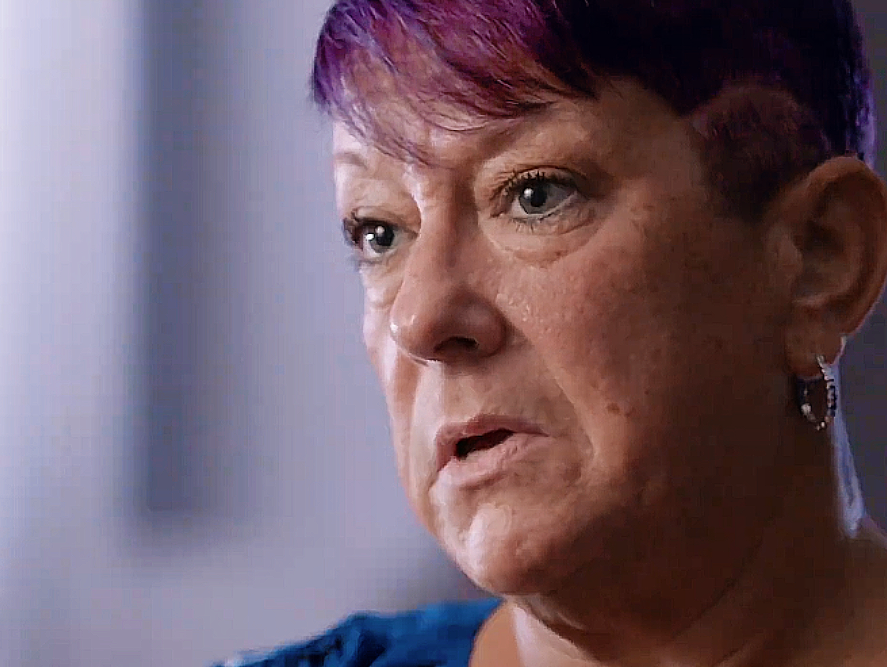
Trina’s anger did not disappear after the killings. She said Robert should have received the death penalty and expressed intense resentment that taxpayers would support his imprisonment. Her words were not presented as a legal argument so much as the raw language of someone who believed the system had failed to stop him earlier.
Her mother later developed lung cancer in the summer of 2018. Although she underwent treatment and initially did well, she died in 2020 during the COVID-19 pandemic. Trina believed her mother would have supported her appearance in the documentary and would have been proud of her.
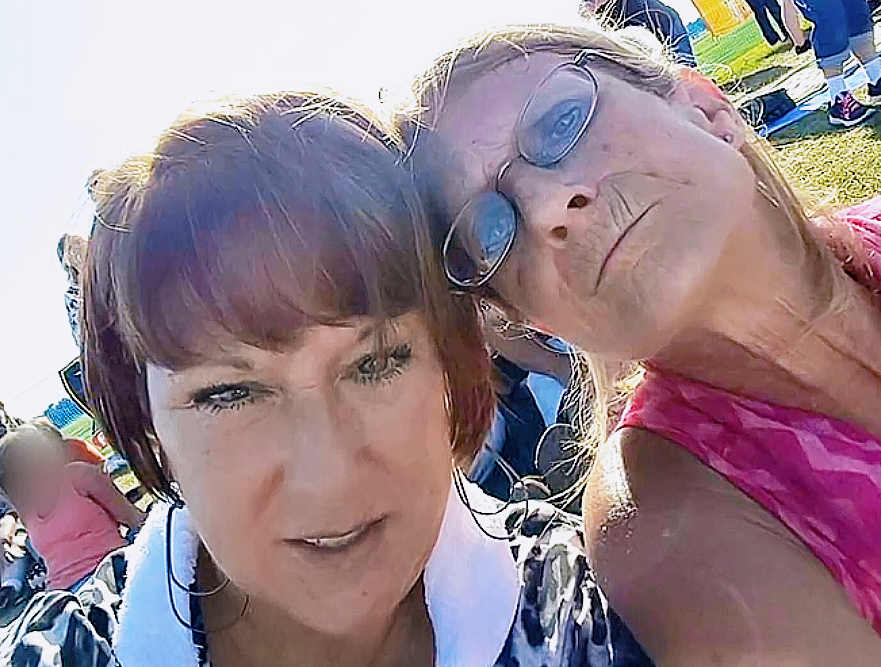
She also held complicated feelings about the past. She wished her mother had left sooner and had known what options were available. At the same time, she recognized that her mother had been afraid, isolated and unfamiliar with a safe way out. Trina said her mother paid a price for being with Robert, just as she did.
By the end of the interview, Trina described her trauma as a closed book—not because the events did not matter, but because she had worked through them. She refused to thank Robert for making her strong. The strength belonged to her, not to the man who harmed her.
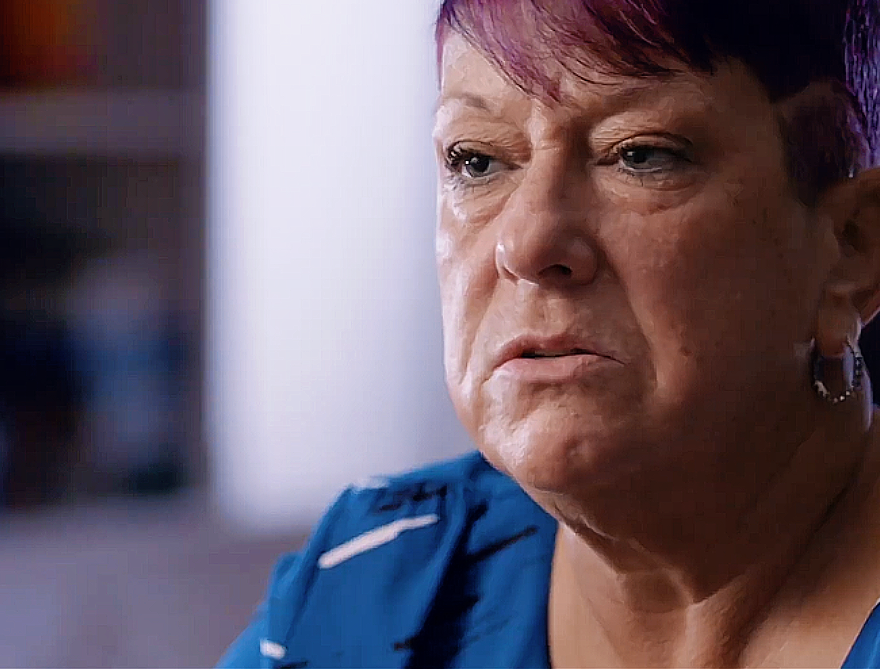
If she could speak to him, she said, she would tell him that he did not get her. She won. She was still alive, still breathing and free. She had built a life and had not allowed his actions to take that life away. Healing, in her account, was a choice she made with her own mind.
That is the final contrast in the story. Robert’s power depended on making other people feel small, trapped and uncertain. Trina’s survival is defined by the opposite: naming what happened, refusing to minimize it and remaining present in a life he failed to destroy.
FAQ
Who was Robert Cordell?
According to the transcript, Robert Cordell worked in military police and entered Trina’s family when she was a child. The documentary presents allegations that he controlled and abused the household and later reports that prosecutors accused him of killing three people.
Who were the victims identified in the 2002 triple killing?
The news reports included in the SRT identify former Reading Mayor Frank Carnevale, Rita Bushman and Kathy Cordell as the three people prosecutors said Robert Cordell killed.
What happened to Trina’s dogs?
Trina said Robert told her he had broken the neck of her dog Buster and thrown him away. She later described Robert swinging another dog, Rocky, by a chain and shooting him five times. These details are presented as Trina’s recollection in the documentary transcript.
Did Robert Cordell threaten Trina with a gun?
Yes. Trina described two incidents in which Robert pointed a gun at her. In one, he pointed it while cleaning guns at home. In another, he held a gun to her head inside a vehicle while her mother was away briefly.
Did Trina’s mother leave Robert?
Yes. The transcript says Trina’s mother began divorcing Robert and made him leave the home. Afterward, Trina said Robert continued calling, stalking and leaving messages threatening to kill her mother.
When did the triple killing occur?
The transcript places the discovery and reporting of the triple killing around 2002. It does not provide a full court docket or a complete timeline of the prosecution.
Is every claim in this article independently verified?
No. The article uses the supplied SRT as its primary and only source. It distinguishes Trina’s recollections and opinions from the news reports reproduced in the program. Readers should consult official court records and contemporary reporting for a complete legal history.
What is the main theme of Trina’s account?
The central theme is that violence often develops through control, intimidation and repeated boundary violations before it becomes publicly recognized as a serious crime. Trina describes surviving that environment and reclaiming her life after Robert’s departure.