By the time Domeneka understood that Michael Horton’s anger was not protection, the danger had already entered nearly every part of her life. It had appeared in arguments over family visits, in walls struck until blood ran from his hands, in a shooting she heard from inside a car, and in the fear that followed her into her own home. Then Michael put his hands around her neck. Their daughter’s cries interrupted the attack, and Domeneka believes those cries saved her life.
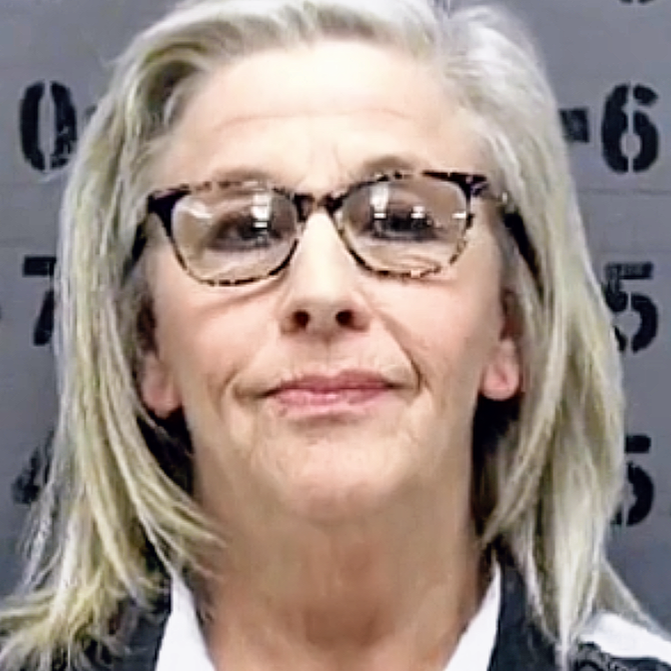
Soon afterward, she learned that a 19-year-old woman named Stephanie Ducheine had been found strangled in a vacant apartment on Morrill Avenue. Police had charged Michael with Stephanie’s murder. The man Domeneka once believed she knew was now the subject of a nationwide manhunt—and she feared she could be next.
A relationship built on shared pain
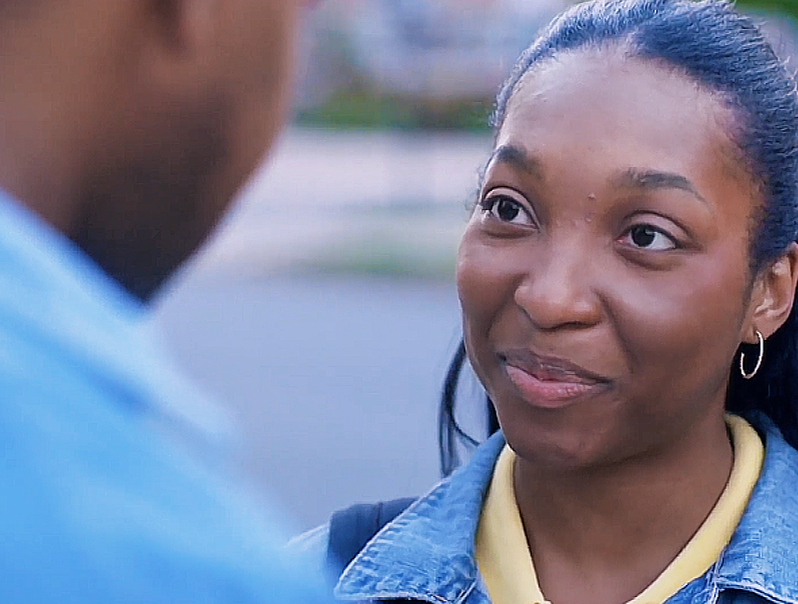
Domeneka was 17 when she met Michael, who was six years older. She was walking to a bus stop on her way to work when they began talking. She remembered him as charming, kind and funny. They spoke about their childhoods and quickly found what felt like a deep connection.
Domeneka later described that connection as a trauma bond: two people relating through painful histories and recognizing something familiar in each other’s wounds. Her childhood had been marked by chaos. She was the oldest of five sisters, felt that her mother did not love her, and said her father was never present. The instability of home shaped what she wanted from a relationship.

Michael seemed to offer the love and belonging she had been missing. Domeneka said she was happy with him. They planned a family, marriage and a life together. For a time, the relationship felt like “us against the world.” When she became pregnant, both of them were excited. She imagined that her child would love her unconditionally and believed she could become the mother she had always wanted to be.
That hope became one of the reasons she stayed. It also made the early warning signs harder to interpret. Domeneka said Michael knew how to appeal to her heart and mental state. At the time, she understood his intense attention as proof that he loved her. In retrospect, she saw that he was learning how to manipulate her.
When affection became control
The relationship began to change when Domeneka tried to maintain connections outside it. Michael objected to her spending time with family. When her mother was present after their daughter’s birth, an argument erupted. Domeneka said Michael had long resented her mother because of what she had shared about her childhood. His anger became so intense that he screamed at her mother and demanded that she leave.
Domeneka later recognized a pattern: whenever she was around relatives, small disagreements could trigger Michael’s rage. She believed he did not want her to have outside relationships or outside influence. At the time, however, she interpreted his behavior as an attempt to protect her from the family problems she had described.
The distinction mattered. Control can present itself as concern, particularly when it is mixed with affection and promises of safety. Domeneka was not describing a single sudden transformation. She was describing a gradual narrowing of her world, in which keeping Michael calm became more important than expressing her own wishes.
One argument began when she wanted to visit her aunt. Michael did not want her to go. They yelled at each other, and then he began punching the walls. Blood ran from his hands. Domeneka had never seen anyone behave that way. She was frightened, but she did not believe he would hit her. She believed he loved her too much to hurt her.

Instead of leaving, she tried to calm him. She focused on what had angered him and decided that the couple should not repeat that conflict. Looking back, she said she felt he had used fear to control her. The question that later haunted her was simple: if someone loves you, why would that person want you to be afraid?

The violence escalates
Michael told Domeneka that he sometimes needed to leave on weekends to work with his family and a cousin. She did not question the arrangement because he brought home money and appeared to provide for the household. Then, during one call, he said a woman had stolen something from him. When Domeneka asked what it was, he admitted that it was drugs.
The disclosure revealed a life she had not known about. She told him that it was dangerous. While they were speaking, the woman entered the place where Michael was. Domeneka heard the woman scream, cry and call for help. She heard sounds suggesting that Michael was hitting her. At one point, she heard him threaten to kill the woman.
Domeneka was left listening in shock. The incident forced her to confront the possibility that Michael’s weekend work involved much more than he had told her. She wondered whether he had robbed, raped or killed other people. She also realized that she did not know the man she had believed she knew so well.
The danger became more immediate after Domeneka suffered an injury to her eye. Michael saw her black eye and became angry. He told her to remain in the car, got out and fired multiple gunshots. Domeneka had never been around a gun before and did not know where it had come from. She later said he had shot up a house.

Police arrived from multiple directions. Officers ordered Michael to get down, arrested him and placed him in a police car. Domeneka experienced a panic attack and struggled to breathe. Yet even during the arrest, she said she was more worried about Michael than herself. She continued standing by him and remained determined to make the relationship work.
That reaction is important to understanding the story. Domeneka was not unaware that something was wrong. She was trying to survive a relationship in which fear, loyalty, hope and responsibility had become tangled together. She also had a child to consider. At the time, she did not recognize that Michael was putting both her and their daughter in danger.

Michael’s hostility toward Domeneka’s mother continued. During one visit, an argument escalated, and as the family prepared to leave, he told her mother that he could not wait to see her in a casket. He repeated that he wanted to see her in a black dress and a casket. Domeneka was shocked because, in her view, the argument had not justified a death wish.
Her mother had distrusted Michael from the beginning. Domeneka came to believe that other people had seen something she could not. The people around her were responding to the behavior that love had made difficult for her to recognize.
The attack that changed everything
Another argument marked a decisive turning point. Michael unexpectedly brought up abuse he said he had suffered from a family member. Domeneka believed he was using the disclosure to make her feel sorry for him and end the argument. She had begun to grow tired of the pattern and responded that she did not care.
Michael’s response was immediate. He challenged her, grabbed her, pushed her down and tried to pull down her pants. Domeneka said she was kicked and did not understand what was happening. For the first time, she felt genuinely afraid of him. He yelled at her to shut up, and she cried because she did not know what he would do next.
He eventually let her go. Domeneka went into another room and cried. That night, she was afraid to fall asleep beside him. The fear came not only from the attack itself but from the realization that she no longer knew who was sleeping next to her.

The relationship continued for a time, but the possibility of leaving became stronger. Domeneka felt that no matter how hard she tried, the relationship would not work. The fighting kept getting worse. She wanted a different life for herself and her daughter.
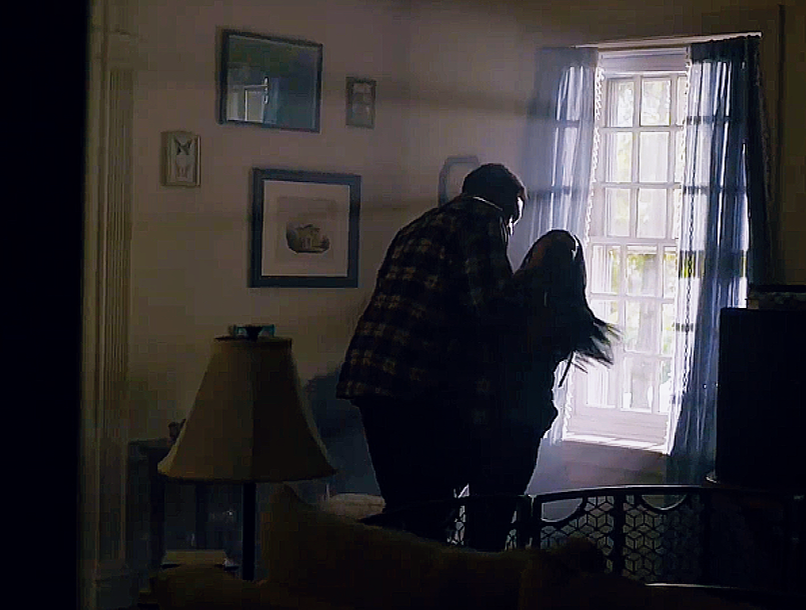
When she finally told Michael she was leaving, he destroyed the apartment. He broke things, threw objects and left glass scattered throughout the home. Domeneka stayed in a corner because she believed that speaking might make the violence worse. Eventually, she called police. Officers arrived and escorted Michael out.
For a moment, she thought the relationship had ended. Then Michael returned to the familiar strategy of appearing gentle and asking for another chance. Domeneka told him she was done. He continued asking. When she repeated that she no longer wanted to be with him, his expression changed.
Michael told her, “I’m gonna make sure we’re done.” He grabbed her and began choking her. Domeneka remembered her feet kicking repeatedly. He threw her to the floor, grabbed her by the neck and appeared to twist it with enough force that she believed he was trying to break it.

She described looking up and seeing a face that seemed empty. Time felt slow. She believed she was going to die in the house and that no one would know. Then she heard her daughter screaming and crying in the background. Domeneka believes the child’s cries interrupted whatever was happening in Michael’s mind. He released her.
Domeneka has said that if her daughter had not been there, Michael might have killed her. She credits the child with saving her life.
Stephanie Ducheine and the murder investigation
After the attack, Domeneka received a call from a private number. She recognized Michael’s voice. He threatened to kill her. This time, she believed him. She reported the threat to police.
Later, her phone displayed “Columbus Dispatch.” Domeneka assumed the caller was contacting her to say Michael had been captured. Instead, the caller asked what she thought about Michael being wanted for first-degree murder.
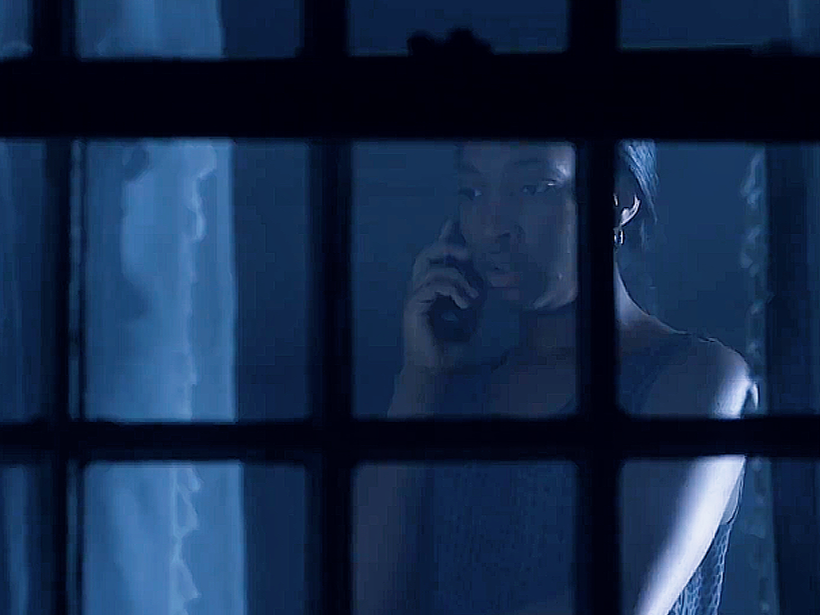
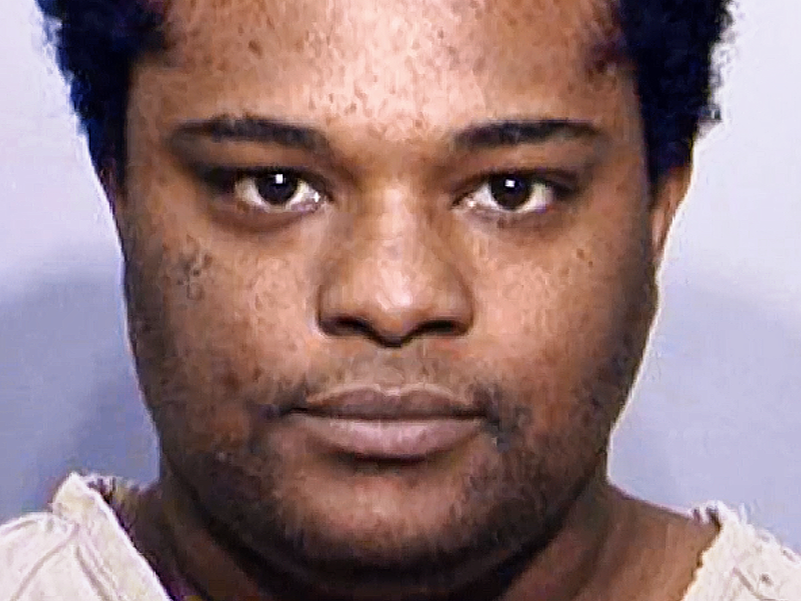
The caller told her that Michael had strangled and killed a 19-year-old woman. The woman was Stephanie Ducheine. According to a news report included in the SRT, Stephanie had been found strangled in a vacant apartment on Morrill Avenue. Police had charged 26-year-old Michael Horton with her murder. The report also said that authorities in Minnesota wanted him on a charge involving the choking of an ex-girlfriend.
Domeneka’s fear became immediate and overwhelming. She believed Michael was capable of killing her next. She prayed through the night and feared that he was coming for her.
When Stephanie’s photograph appeared on the news, Domeneka felt that the young woman resembled her. She saw in Stephanie the innocent version of herself—the young woman who wanted to be loved and did not recognize the signs. The connection deepened Domeneka’s grief, but it also fueled a painful sense of responsibility.

She knew intellectually that Stephanie’s death was not her fault. Emotionally, Michael’s words made that truth difficult to hold. He had told Domeneka that he could not kill anyone he loved, so an innocent person died because of her. Domeneka later understood the statement as another attempt to damage her life after his own had collapsed.
The available account does not establish that Stephanie was selected because she physically resembled Domeneka. Domeneka’s resemblance was her own emotional response to seeing the photograph. The verified account in the SRT establishes that Michael was charged with Stephanie’s murder, not that every motive or detail of the killing was publicly proven in the material provided here.

Domeneka helps authorities find Michael
Domeneka felt isolated and believed Michael could do whatever he wanted. Relatives became afraid inside their own homes. One of her uncles reportedly carried knives while walking around the house in an effort to feel safe. Domeneka felt like a burden because the danger connected to Michael had entered her family’s life, but she was also afraid of what he might do if he remained free.
She eventually decided that protecting herself and her daughter required Michael to be taken off the streets. Domeneka contacted a U.S. Marshal and said she could help authorities find him.

She knew Michael communicated with his mother and believed his mother knew where he was. Domeneka asked her to tell Michael that she missed him and wanted to talk. Michael called approximately five minutes later.
Domeneka asked him whether the accusation was true and why he would do such a thing. He did not initially answer. Then he repeated the claim that he could not kill someone he loved and that an innocent person had died because of Domeneka.
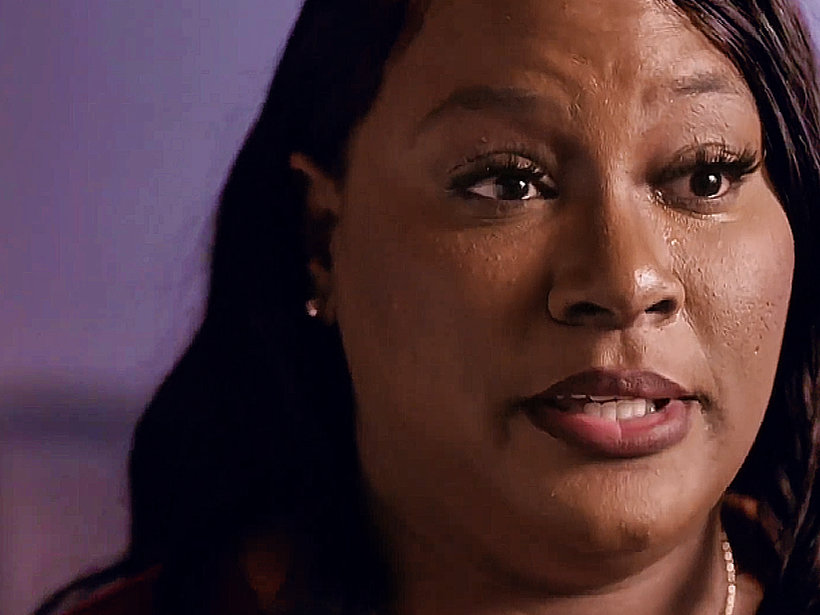
The conversation did not give Domeneka closure. It reinforced her view that Michael was attempting to manipulate her, even while facing the consequences of a murder charge. She remained troubled by the thought that Stephanie had not known him or the danger around her.
The next day, a U.S. Marshal called Domeneka and told her Michael had been captured in Pennsylvania, where he had been hiding in a closet. His capture brought relief. Domeneka believed she could begin living her life again.
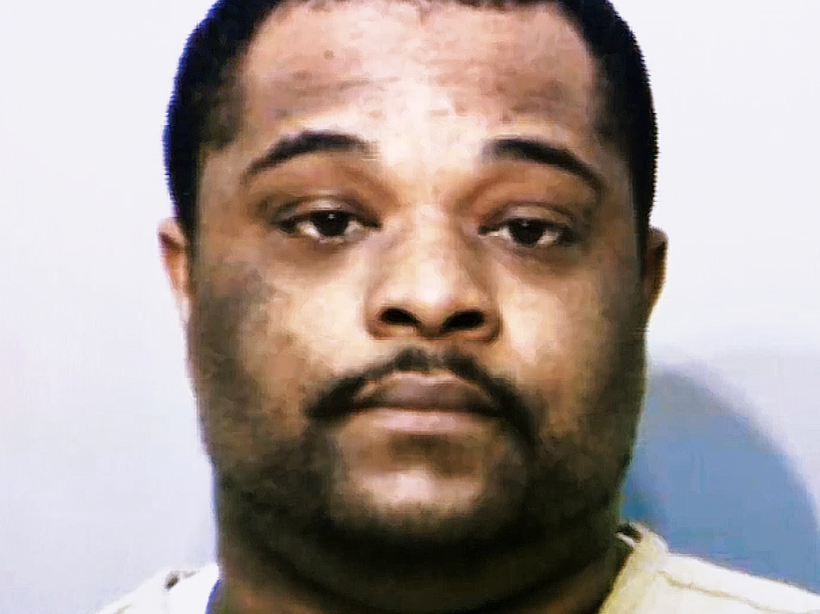
Court statements and the struggle with blame
Domeneka initially thought the danger would end once Michael was jailed. It did not. After his DNA was submitted, she said she learned that he had been accused of raping a woman and faced robbery charges. Each new revelation reinforced the same conclusion: the person she had loved was not the person she believed him to be.
While reviewing court papers related to sentencing, Domeneka read a statement attributed to Michael. He said that Stephanie had done nothing to him and that he had been stressed by his baby’s mother. He also said that he had called Stephanie by Domeneka’s name.
Domeneka interpreted the statement as evidence that Michael wanted Stephanie to be her and wanted to kill her. She rejected his explanation as an attempt to justify his actions and avoid responsibility. In her view, the statement showed a manipulator willing to say whatever might help him escape a situation.

The SRT does not provide the length or terms of Michael’s sentence. It does provide Domeneka’s reaction to the court material: she saw no remorse in his words and believed he continued to center himself rather than acknowledge Stephanie’s life and death.
For a long time, Domeneka carried guilt. She felt that Stephanie had died because of her, even though she also understood that Michael alone was responsible for his decisions. That contradiction is central to her account. Survivors can know that an abuser is responsible while still feeling burdened by the abuser’s words, actions and attempts to assign blame.
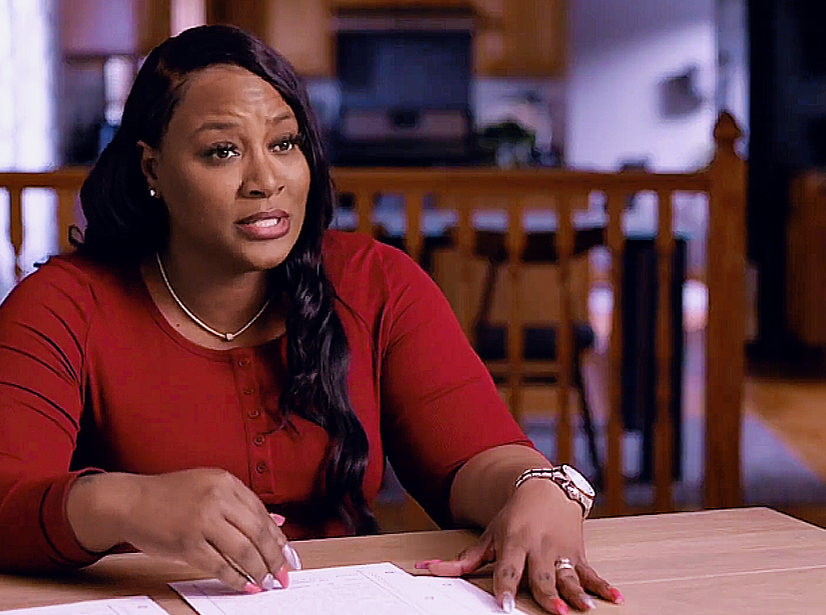
Choosing safety and rebuilding a life
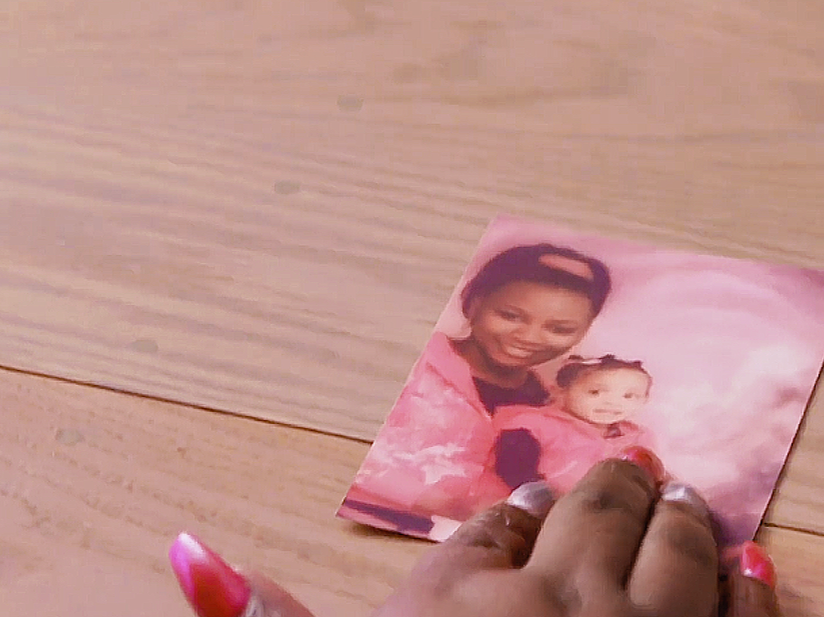
Domeneka remembers a photograph taken after Stephanie was killed and Michael was charged with her murder. In the image, she and her daughter are smiling. Looking at it later, Domeneka saw the mask she had worn. The photograph showed a happy person, but she knew she had not been happy.
She described herself as someone who hides emotion. She had survived difficult experiences and refused to let them tear her down. But revisiting the relationship forced her to feel grief she had kept detached from for years. She cried over the young woman she had been and wished that younger version of herself had known more.
Domeneka now emphasizes the importance of paying attention to instincts. When people are deeply in love, she said, they may not see clearly. They may watch a partner harm other people and assume, “He is not going to do that to me.” Her warning is direct: a person who shows harmful behavior is showing who they are.
Domeneka’s daughter knows about Michael and still communicates with him. That situation frightens Domeneka because she knows how manipulative he can be. She worries about what he may tell the child and how he may shape her understanding of the past. At the same time, she recognizes that children can continue to see their parents as “Mommy and Daddy,” even when the adult history is painful and frightening.

Domeneka’s life eventually changed. She said she has three children, is married and is happy. Her husband helped raise her daughter and has been present as a father. Her daughter is 18 and in college. Domeneka says she does not look like what she has been through, but she feels strong and powerful.
Her survival does not erase what happened. In Domeneka’s view, Michael wanted her to suffer, but she refused to let the relationship define the rest of her life.

What Domeneka wants others to recognize
Domeneka’s story is not a simple account of a stranger who suddenly became dangerous. It is an account of how control can be hidden inside affection, how rage can be minimized after it passes, and how a survivor may continue protecting the person who is endangering her.
The warning signs she describes include isolation from family, explosive anger, destruction of property, threats against relatives, the use of personal trauma to manipulate an argument, sexual violence, strangulation and threats to kill. None of these behaviors should be dismissed because they happen alongside kindness or promises of love.
Domeneka also wants the public to remember Stephanie Ducheine as more than the victim at the center of a criminal case. Stephanie was a 19-year-old woman whose life was taken, and Domeneka’s grief comes partly from seeing her own younger innocence reflected in Stephanie’s photograph.

The material provided for this article does not answer every question about the murder investigation or Michael Horton’s complete criminal history. It does preserve Domeneka’s testimony about the relationship, the escalating danger, the discovery of Stephanie’s death, the manhunt and the aftermath. Those limits matter. Responsible true-crime reporting should distinguish between what a survivor recalls, what a news report states and what the available record does not establish.
Domeneka’s final message is both personal and practical: trust the warning signs. Love does not make violence safe. A partner who wants you afraid is not protecting you. A person who harms others may harm you. Choosing safety is not betrayal; it is survival.

FAQ
Who is Michael Horton?
Michael Horton is the man Domeneka identified as her former partner. According to the SRT, police charged him with the murder of 19-year-old Stephanie Ducheine. The material also says he was wanted in Minnesota in connection with a charge involving the choking of an ex-girlfriend and that he was later captured in Pennsylvania.
Who was Stephanie Ducheine?
Stephanie Ducheine was a 19-year-old woman. A news report included in the SRT said she was found strangled in a vacant apartment on Morrill Avenue. Police charged Michael Horton with her murder.
What happened to Domeneka during her relationship with Michael Horton?
Domeneka described escalating control and violence, including isolation from family, explosive anger, property destruction, threats, a shooting incident, sexual violence and a strangulation attack. She said her daughter’s cries caused Michael to release her during the final attack.
Did Domeneka help authorities locate Michael Horton?
Yes. Domeneka contacted a U.S. Marshal and offered information that could help locate Michael. She used communication through Michael’s mother to persuade him to call her. The SRT says authorities later captured him in Pennsylvania, where he was hiding in a closet.
Was Michael Horton convicted, and what was his sentence?
The SRT refers to court papers from a sentencing and includes statements attributed to Michael, but it does not provide the sentence length or complete disposition. This article therefore does not state a sentence that is not contained in the source material.
Why did Domeneka feel responsible for Stephanie Ducheine’s death?
Michael told Domeneka that an innocent person died because of her. Domeneka understood that Michael was responsible for his own actions, but his statement contributed to years of guilt. She also felt a personal connection to Stephanie after seeing her photograph.
What warning signs does Domeneka describe?
She describes isolation from family, controlling behavior, explosive anger, punching walls, threats against relatives, manipulation through personal trauma, sexual violence, strangulation and death threats. These behaviors can indicate escalating danger and should not be excused as expressions of love.
How is Domeneka doing now?
Domeneka says she is married, has three children and is happy. Her daughter is 18 and in college. She credits her daughter with saving her life and says she has rebuilt her life after the abuse.