The first time John Michael Burdett understood that his mother was not coming home, he was six years old and standing outside a burning house. The living room was engulfed. The front door was blocked by fire. A padlock held the back door shut from the outside. John had escaped through a bedroom window, but Patricia Lee Mills was still inside.
Years later, the man convicted of killing Patricia Lee would point to that same child and offer a new explanation for the fire. And years after that conviction, the woman who had become Delbert Mills’s second wife would be recorded discussing how her own husband might be killed and how the death could be made to look accidental.
The stories are connected by Allison Salinas, formerly Allison Newman and Allison Mills. She was never charged in Patricia Lee’s death, but later pleaded guilty in Illinois to soliciting the murder of her husband, Patrick Salinas. What, if anything, did she know about the Texas fire?

A Child Escapes a Burning House
The morning began with a sound John Michael would remember for the rest of his life: screaming.
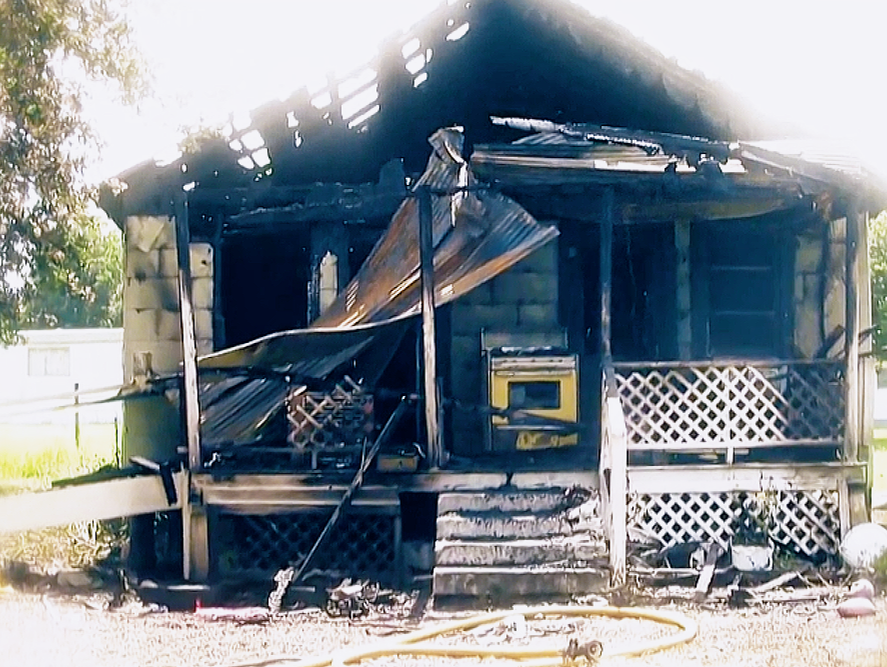
He woke to find the house on fire and his mother, 31-year-old Patricia Lee Mills, in the next bedroom. John tried to move toward the front door, but the living room was already engulfed. Flames had cut off the obvious escape route. The house was small—about 530 square feet—and the fire moved through it with devastating force.
John made a decision that likely saved his life. He went through his bedroom window. He threw his toy box outside first, then climbed out after it. Once he was safe, he wanted to go back for his mother.

A woman named Mildred had stopped to help. She heard John say that his mother was still inside. Mildred approached the house and tried to reach Patricia Lee. The front of the structure was already burning heavily. When Mildred went around to the back, she found that the door was locked from the outside by a padlock.
Two men helped her force the door open. Black smoke poured out. Patricia Lee had gone silent.
Firefighters arrived and extinguished the blaze. They found Patricia Lee’s mother in the back of the house and got her out. Patricia Lee was found in the front bedroom. She was dead from smoke inhalation and carbon monoxide poisoning.
John stood outside and watched the house burn. He later described the helplessness of knowing his mother was inside and believing there was nothing he could do without being killed himself. He was six years old. He had escaped the fire, but the experience did not end when the flames went out.

His cousin Jessica Lefferts remembered learning about the death from her mother. Jessica was 18 at the time. Her mother told her there had been a fire, that John had survived, and that Patricia Lee had not made it out.
When Delbert Mills arrived at the scene, his son was outside in an ambulance. Delbert told John that his mother was dead. For a six-year-old, the meaning of death was difficult to understand. John could understand only that his mother was gone and would not come home.
Later, when the family gathered, John repeated the same painful message: the house had caught fire, he had tried to get his mother out, and he could not save her. His relatives could comfort him, but they could not change what he had seen.

The Fire Investigation and the Closed Case
Investigators from the Goliad County area sifted through the remains. Detective Danny Madrigal of the Goliad Sheriff’s Office described the structure as burned almost completely. Walls, furniture and other contents were destroyed. The fire had been intense inside the house.
The official cause of death was clear. The cause of the fire was not.
The fire marshal’s report concluded that the blaze began in the living room, near a coffee table where three kerosene lanterns had been found in a pile. The report described the lanterns as decorative and not in use. The cause was ultimately listed as inconclusive, and the recommendation was that the case be closed.

To Patricia Lee’s family, one part of the report was plainly wrong. The lanterns were not decorations. They were used regularly as a source of light because Delbert did not like running the electricity. In a house that small, family members said, lanterns were needed to move from room to room. Patricia Lee also had to plan around them, including cooking before sundown or using a lantern while preparing dinner.
The investigation did not produce physical evidence that could identify a person who had deliberately started the fire. Delbert had been at work when the fire began, roughly a 20-minute drive away. That alibi became a central reason investigators did not reopen the case when Patricia Lee’s relatives raised concerns.
For authorities, the case was closed. For the family, the report left unresolved questions about the lanterns, the locked door and Delbert’s rapid change in circumstances.
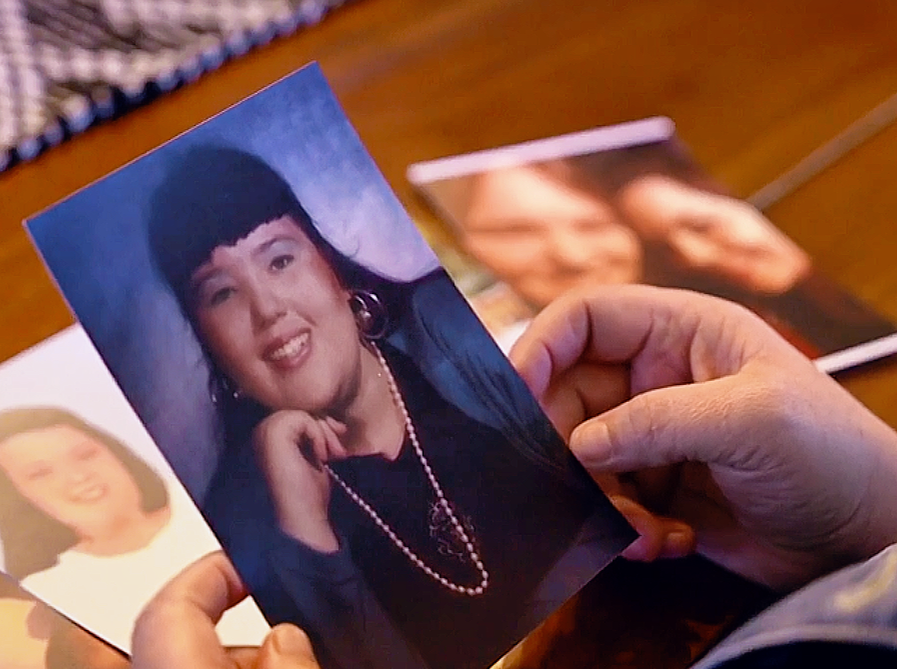
A Marriage Six Weeks Later
In the aftermath of the fire, John went to live with his aunt Sharon and his cousins. His family tried to explain that his mother was in heaven and would always be watching over him. The adjustment was slow. John had lost the person he depended on most, and he was too young to understand the full shape of what had happened.
Delbert’s response looked very different to Patricia Lee’s relatives.
Six weeks after the fire, Delbert was engaged to Allison Newman, a divorced mother who shared custody of three young daughters. Allison was already familiar to the Mills family. She had briefly dated Delbert’s brother and had stayed with Delbert and Patricia Lee before the fire.
Allison had been living with a boyfriend while her former husband cared for the girls. When that relationship ended, she needed somewhere to go. She came to Goliad and stayed with Lee and Delbert for several months. According to Jessica’s account, Allison slept on a mattress on the floor of Jessica’s bedroom.

Patricia Lee later told her niece that she had woken up in the middle of the night and found Allison and Delbert having sex on the living-room sofa. Allison moved out immediately. The mattress disappeared, and the woman who had been sleeping in Jessica’s room was gone.
Four months after Allison moved out, Patricia Lee was dead. Delbert and Allison later married.
The speed of the new relationship troubled the family, particularly while John was still trying to process the loss of his mother. Jessica said the marriage made her question whether Delbert had ever loved Patricia Lee or cared about their son.
There was also a financial change. Before Patricia Lee died, Delbert had taken out a $15,000 life-insurance policy on her. After the fire, he used the money to buy a new truck. To Jessica and other family members, the picture was difficult to ignore: a new truck, a new wife and a life that seemed to be moving forward while John was left behind.

The Family’s Unfinished Investigation
Sharon took those suspicions to the Goliad Sheriff’s Department. She gave a statement and asked investigators to look again. The sheriff’s office and fire marshal did not believe the information justified reopening the case. Delbert’s work alibi remained intact, and the original fire investigation had not produced physical evidence linking him to arson.
Sharon refused to stop. She studied photographs from the scene, spoke with people who had known Delbert and wrote down what they told her. Over two frustrating years, she built a case of her own while Delbert continued living freely with Allison.
The family also described Delbert as abusive. John said his father hit, screamed at and insulted him. He remembered Delbert breaking Patricia Lee’s nose during an argument at a friend’s house. John was about five years old when he called police. Jessica described Delbert as abusive in physical, mental and sexual ways.

John also recalled a threat that Patricia Lee had reported. When she considered leaving Delbert, he allegedly told her that the only way she would leave was in a body bag. The statement was not physical evidence from the fire scene, but it became part of the family’s understanding of the marriage and the danger Patricia Lee may have faced.
The case remained dormant until 2005, when Allison approached Sharon. She said Delbert had threatened to do to her what he had done to Patricia. Sharon encouraged her to speak with Detective Madrigal.

Allison told Madrigal that Delbert had described a plan. According to her account, he had deliberately created a faulty electrical condition, placed a lit cigarette near wiring and removed the top of a kerosene lamp so that the fire would ignite after he left for work. The detective understood that Allison was offering a secondhand confession—not a recording and not a statement from Delbert himself.
Madrigal asked Allison to wear a wire and speak with Delbert. She refused. Then she recanted, saying perhaps Delbert had not said what she had reported. Jessica later heard that Allison had backed away because she feared Delbert would come after her and her children.
Without a cooperating witness or independent evidence, the lead failed. Madrigal did not confront Delbert. Investigators believed a direct denial could reduce the case to one person’s word against another’s. The investigation went cold again.

The Witnesses Who Reopened the Question
Seven years after the fire, a new sheriff was elected in Goliad County. Constable Mike Thompson, a retired homicide detective, was asked to review the case. By then, the house was gone. In 2010, Thompson had only an empty lot, not a preserved fire scene.
The physical evidence was essentially absent. The case would depend on people, memories and statements made over the years.
Jessica told Thompson about something Delbert had said on the night of the fire. Delbert had claimed he could not understand how John escaped. He reportedly said he had installed thick plexiglass in the windows and had caulked them so tightly that an adult could not have kicked them out.

That remark struck investigators as unusual. A father whose child had survived a house fire might be expected to express gratitude that the child got out. Delbert’s question focused instead on how John had managed to escape. The statement did not prove who started the fire, but it gave Thompson another detail to examine.
Thompson also interviewed Keisha Ringland, a friend of Allison’s. Keisha described a 2007 holiday visit after a serious argument with her own husband. According to Keisha, Delbert offered to help. He said he knew how to get rid of her husband and make it look like an accident. He allegedly said he could kill the man or set the apartment on fire.
Another witness, Sherry Lynn Donnell, had spoken to investigators years earlier. Sherry was Allison’s cousin by marriage. She said she had heard Delbert, while drunk, boasting about killing his wife. According to Sherry, he talked about blocking doors with boxes and turning on the gas before leaving for work.

Sherry also offered a statement that implicated Allison more directly. She said Delbert told her that he and Allison had planned the killing and that Allison had thought of the plan. Prosecutor Mike Sheppard, however, understood that this part of Sherry’s account would be hearsay and inadmissible in court.
Allison was never charged in connection with Patricia Lee’s death. The prosecutor said the investigation had produced suspicion but no competent evidence tying her to the fire. The theory that Allison was the planner and Delbert the person who carried it out remained a theory.
By the time Thompson returned to Allison, she and Delbert were divorced. She confirmed that her original statement about Delbert’s threat had been true. That gave investigators a stronger account than the recanted statement from 2005, but it still had to be considered alongside the lack of physical evidence and Allison’s shifting position over the years.

The Arrest and Trial of Delbert Mills
During a later interview, Delbert gave investigators a version of the fire that did not match his earlier denials. He first said he had left for work around 6:30 a.m., reached work by 7 and received the call about the fire after 8:30. He denied setting the blaze and said he had been told it was electrical.
He also denied telling people that he had burned the house down and killed his wife. When asked whether those witnesses were lying, he said yes.
On the subject of Allison, Delbert’s answers became less certain. He said he did not remember whether he had kissed her before Patricia Lee died. When pressed, he said he was not saying he had, but he was not saying he had not because he did not remember.

Delbert agreed to take a polygraph. He failed it. The district attorney said the result could not be shown to a jury, but investigators still needed more evidence.
After being told about the failed polygraph, Delbert’s account changed again. He said he had put a cigarette in or near an ashtray on the coffee table. When he slammed the front door, he said, a lamp fell. He suggested that the lamp may have hit the couch and coffee table and started the fire.
The location mattered. Delbert identified the living room as the origin point, a detail investigators said had not been made public. To them, his knowledge of the fire’s origin was evidence that he knew more than an innocent bystander should have known.

Investigators developed their own theory: Delbert may have placed a candle in a pool of lantern oil and allowed it to burn down, creating a delay that gave him time to reach work and establish an alibi. The SRT presents that as the investigators’ theory, not as a fact established by recovered physical evidence.
Eight years after Patricia Lee’s death, Delbert was arrested for first-degree murder. In January 2013, he waived a jury and chose a bench trial. After three days of testimony, the judge found him guilty. Delbert was sentenced to life in prison.
John Michael, then a teenager, delivered a victim-impact statement. He faced his father and asked why Delbert had taken away the one person who had truly believed in and loved him. The question had no answer in court.
The conviction resolved Delbert’s criminal case, but it did not resolve Allison’s alleged role. She was never charged in Texas. The family continued to believe she knew more than she admitted, while the prosecution acknowledged that suspicion was not enough to bring a case.

Allison Salinas Builds a New Life
After Delbert’s conviction, Allison left Texas with her three daughters and moved to central Illinois. She remarried a contractor named Patrick Salinas and began presenting herself as an entrepreneur, community figure and political activist.
She hosted the political podcast Citizen Watch, organized rallies supporting police and launched a campaign for the U.S. Senate. She later withdrew, citing a cancer diagnosis.
Allison also opened Busy Bees Bakery with financial backing from family members. The business closed after several months, and former employees and family investors made claims about unpaid money. The SRT also identifies theft-by-deception and theft and forgery convictions in Illinois and Texas. Allison denied broader accusations and said she was the target of an online campaign.

One person who began examining Allison was Kate Elliott, whom Allison met while volunteering at a church fundraiser in Peoria’s East Bluff neighborhood. Allison proposed a concert called the East Bluff Jamboree and claimed she could bring major performers to a 250-seat amphitheater. Kate checked the performers’ schedules and found they were booked elsewhere on the date.
Kate said Allison went to the restroom and never returned. Kate then began posting warnings on Facebook. Her posts attracted people who described similar experiences. James Turrentine saw those posts and connected with Kate.
James had dated Allison in high school. Nearly 30 years after their breakup, she contacted him and discussed Delbert’s conviction. James searched court documents and concluded that Allison had lied about when she became involved with Delbert. Kate built a timeline and focused on the fact that Allison married Delbert within about 90 days of Patricia Lee’s death.
That conclusion was not established by the Texas conviction. It was the interpretation of James and Kate, based on the timeline, Allison’s account and material they found in court records.

The Recordings About Patrick
James said Allison contacted him repeatedly and presented him as someone special. She complained about Patrick, calling him by a demeaning nickname and saying he did not pay bills or work enough. She sent him selfies and sexually explicit images. James said he did not enter a romantic relationship with her, although Allison later described the relationship differently.
Then the conversation changed.
James said Allison first made indirect comments, including that she wished Patrick would go away and never return. The remarks progressed into discussions about killing him. She sent James a photograph of Patrick and described it as the image he needed if he were going to identify the target.
James refused to kill Patrick. Allison then asked him to find someone else and hire that person.
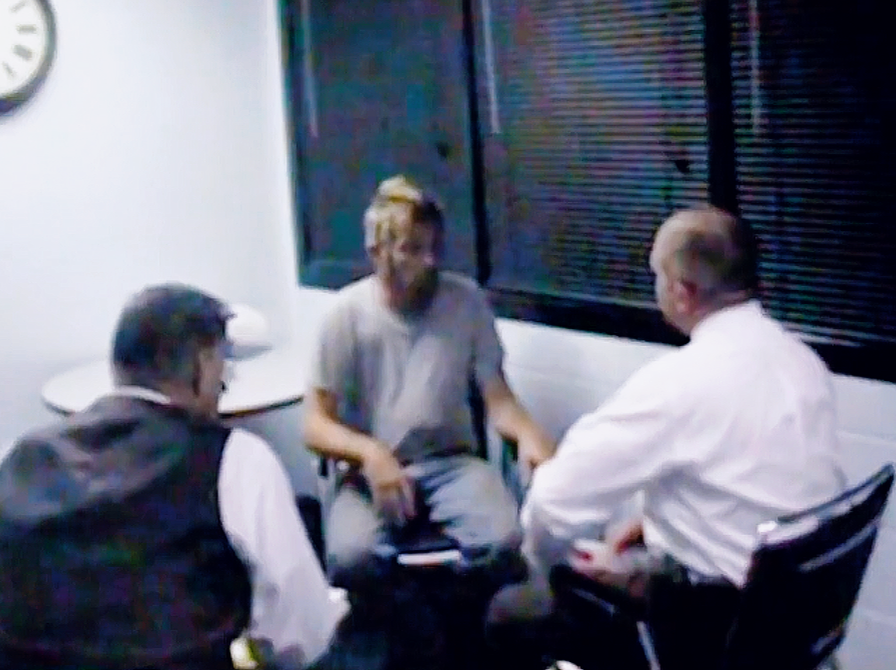
She wanted the death to look like an accident and not be traced back to her. James contacted the Pekin Police Department and spent more than 15 minutes telling an officer what Allison had said. The officer documented the information but advised James not to contact Allison further. Months passed without a follow-up that James could see.
James and Kate then developed a plan. James used an app on his phone to secretly record his calls with Allison. On the recordings, she discussed possible methods, including an allergic reaction, a shooting in a remote location and the need for a silencer if a gun were used. She talked about withdrawing money in small amounts to avoid suspicion and accumulating $5,000 in cash.
She also talked about her own alibi. The act had to take place while she was at work or somewhere else where her presence could be verified. A work alibi had been central to the Texas fire investigation because Delbert had been at work when Patricia Lee died.

Allison discussed what she would have to do after Patrick’s death. She complained that she would have to go through the mourning process and play the grieving widow. James described her tone as calm and matter-of-fact.
The recordings were not merely evidence of anger or marital frustration. As presented in the SRT, they included discussions about a target, possible methods, concealment, money, timing and an alibi. Allison later disputed their meaning and said James manipulated her into saying those things.
Kate posted excerpts of the recordings on Facebook. James added an AI-generated voiceover suggesting similarities between the plan against Patrick and Patricia Lee’s murder in Texas. The video received thousands of views within hours. James tagged police departments in the post.
Thirty-six hours after the video went online, Detective Palmer of the Pekin Police Department called James. She apologized for the earlier lack of follow-up, said the information had fallen through the cracks and told him she would investigate.

The Arrest in Illinois
On July 22, 2025, Allison came to the police station for an interview. She acknowledged that her words sounded like she had been considering ways to have Patrick killed. She said the words had simply come out and that she had not truly meant them.
The detective challenged that explanation. Allison had not merely made a passing remark, the detective said. She had discussed details, including how she might be caught and how a death could be made to look accidental.
Allison insisted that she did not want anyone hurt. The detective told her that conversations about finding someone to murder her husband still had consequences.
At that point, Allison was arrested for solicitation of murder.
She initially faced a maximum sentence of 30 years if convicted. The state offered a plea agreement for a lighter sentence. After consulting with her public defender, Allison pleaded guilty and received a 16-year prison term. Allison later said she accepted the deal because she was told that a jury trial could result in 30 years.
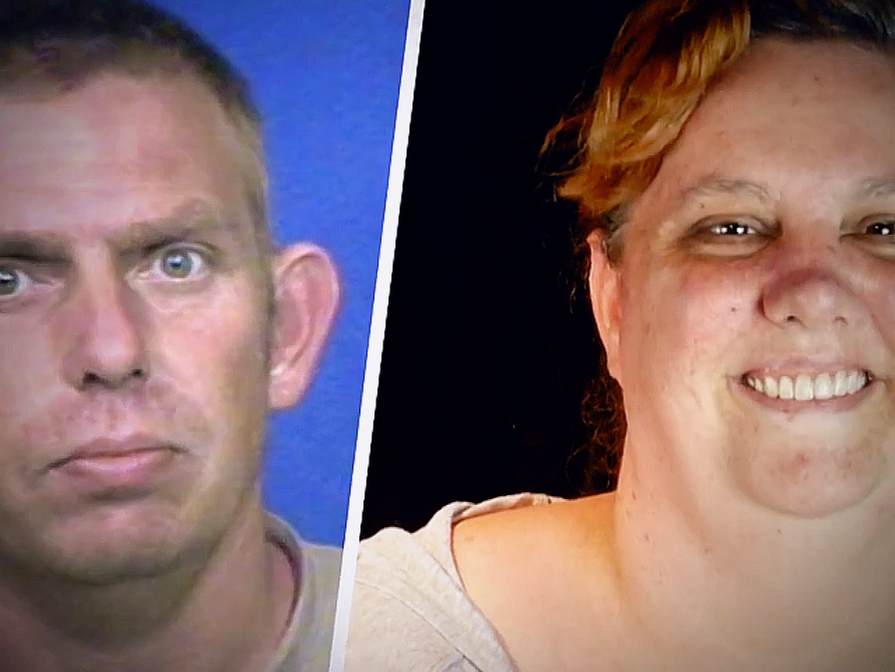
Patrick remained on Allison’s side. He called her after the arrest and told her he loved her. He later defended her in an interview, saying he did not believe she was a bad person and had not listened to the recordings. Patrick said James had manipulated Allison and gotten into her head.
Allison gave the same basic defense. She said she was struggling in her marriage and reached out to James because she wanted affection and emotional support. She denied genuinely wanting Patrick dead. She said James introduced the ideas and made her believe them during a period when, in her account, she was taking medication and was not mentally stable.
She also denied involvement in Patricia Lee’s death. Allison said she did not begin seeing Delbert until after Patricia Lee died and called the suggestion that she had helped plan the fire insane.
James disputed Allison’s account of their relationship and said the recordings showed that she was the person directing the conversations about Patrick. The legal outcome in Illinois did not determine who was telling the truth about the Texas fire.

Two Versions of the Truth
The SRT presents competing narratives from Allison and James. James described a woman who repeatedly sought money, attention and access, then calmly discussed arranging her husband’s death. Allison described herself as vulnerable, manipulated and misunderstood.
The SRT also presents competing narratives from Delbert. He was convicted of Patricia Lee’s murder after investigators used witness accounts, changing statements and his apparent knowledge of the fire’s origin to build the case. Years later, from prison, Delbert continued to deny killing his wife.
Then he offered a different explanation.
Delbert said that John, who was six at the time, had told him in the back of the ambulance that he had set the couch on fire while playing with a lighter. Delbert said he had promised John never to tell anyone, but was now revealing the story so the truth could be known.
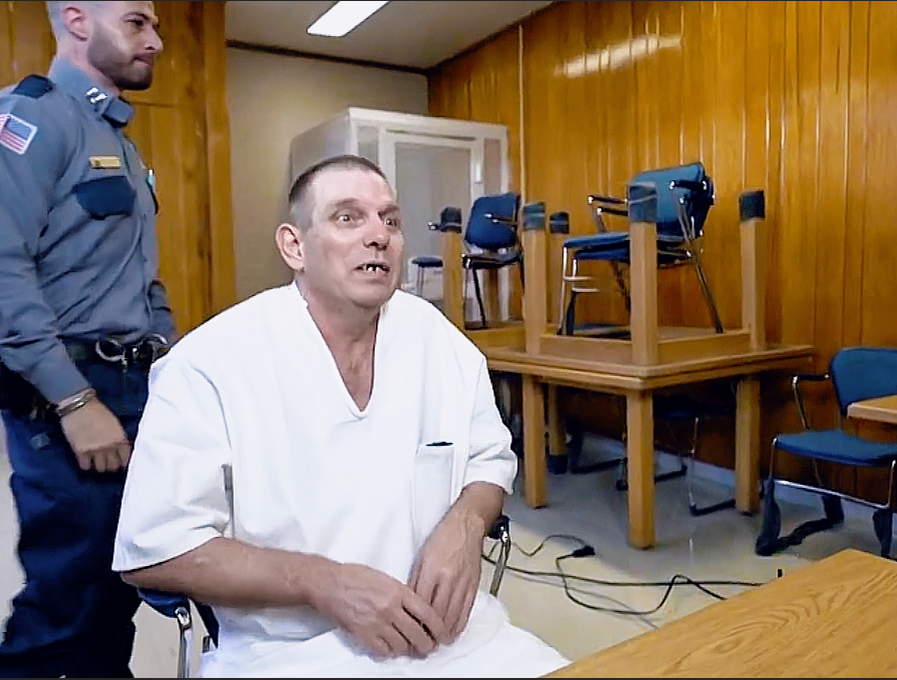
The claim devastated John Michael. When he heard his father blaming him, he stopped the interview. After composing himself, John returned and said that a person who blames a six-year-old for killing his mother when that person had actually committed the crime had no heart.
Delbert insisted he was not blaming John. He said he was only repeating what the child had told him. He acknowledged that he might have bragged about killing Patricia even though he had not done it. He maintained that he was innocent.
The claim about John was not part of the original conviction as presented in the SRT. It was a late statement from a man serving a life sentence, and John rejected it. The current Goliad district attorney said Allison would not be prosecuted in Patricia Lee’s death unless credible new evidence emerged.
John did not want the case reopened. After so many years, he said, his aunt deserved to rest in peace.

What Remains Unanswered
The Texas case ended with Delbert Mills’s conviction, but several questions remain outside the verdict.
The first is Allison’s precise role, if any, in Patricia Lee’s death. The family suspected she was involved. Sherry reported that Delbert had said Allison devised a plan. Allison gave a secondhand account of Delbert’s alleged confession, later recanted it, and later reaffirmed it. Prosecutors concluded that there was no competent evidence sufficient to charge Allison.
The second question concerns the fire itself. The original investigation found no conclusive cause. Investigators later developed a delayed-fire theory involving lantern oil and a candle, while Delbert offered multiple accounts, including an electrical fire and a lamp falling after he left. The physical scene no longer existed when Thompson reviewed the case.
The third question is whether the Illinois recordings prove anything about the Texas fire. They do not, by themselves, establish that Allison participated in Patricia Lee’s murder. They do explain why John and other relatives saw a disturbing pattern. In both stories, the alleged plan involved a spouse, an apparently accidental death and a carefully maintained alibi. That similarity is central to the family’s suspicion, but it is not a substitute for evidence.
What is established is narrower and still serious. Delbert Mills was convicted of murdering Patricia Lee and sentenced to life in prison. Allison Salinas pleaded guilty in Illinois to solicitation of murder involving Patrick and received a 16-year sentence. Allison was never charged in Patricia Lee’s death.
John Michael’s life continued after the fire, the conviction and the later arrest. He struggled with substance abuse, eventually got clean, married and became a father of two daughters. He said his mother’s memory remains with him—in his mind and in his heart.
That memory is the human center of a story filled with allegations, shifting accounts and unanswered questions. Patricia Lee was not merely the subject of a homicide investigation. She was a mother whose six-year-old son escaped through a window and watched the house consume the person he loved most.
The court answered one question about who was responsible for her death. It did not answer every question her family carried for years. And it did not erase what John saw that morning.

FAQ
Who was Patricia Lee Mills?
Patricia Lee Mills was a 31-year-old Texas mother who died in a house fire. Her six-year-old son, John Michael, escaped through a bedroom window. Her official cause of death was smoke inhalation and carbon monoxide poisoning.
Who was convicted of Patricia Lee Mills’s murder?
Her husband, Delbert Mills, was convicted of first-degree murder after a 2013 bench trial. He was sentenced to life in prison. Delbert has continued to deny killing Patricia Lee.
Was Allison Salinas charged in Patricia Lee Mills’s death?
No. The SRT states that Allison was never charged in connection with the Texas fire. Prosecutors said there was substantial suspicion but no competent evidence sufficient to charge her.
What happened to Allison Salinas in Illinois?
Allison Salinas was arrested for solicitation of murder after recordings showed conversations about arranging the death of her husband, Patrick Salinas. She pleaded guilty and received a 16-year prison sentence.
Who is James Turrentine?
James Turrentine was Allison Salinas’s former high-school boyfriend. He said Allison later contacted him, discussed her marriage and asked him to find someone who could kill Patrick. James secretly recorded later conversations and gave information to police.
What did the secret recordings allegedly contain?
According to the SRT, the recordings included discussions about a possible hitman, a staged accident, a remote location, a silencer, cash withdrawals, a work alibi and the role Allison would play as a grieving widow. Allison said the conversations did not reflect a genuine desire to hurt Patrick and that James manipulated her.
Did Allison Salinas admit to helping kill Patricia Lee?
No. Allison denied involvement and said she did not begin seeing Delbert until after Patricia Lee’s death. The Texas investigation did not result in charges against Allison.
What is the status of the Texas case?
Delbert Mills remains imprisoned under a life sentence for Patricia Lee’s murder. The current Goliad district attorney, as described in the SRT, indicated that Allison would not be prosecuted unless credible new evidence emerged.
Did Delbert Mills later blame his son for the fire?
Yes. In an interview decades after the fire, Delbert said John Michael told him that he had accidentally set the couch on fire with a lighter. John rejected that account and said Delbert was blaming him for a crime he did not commit.