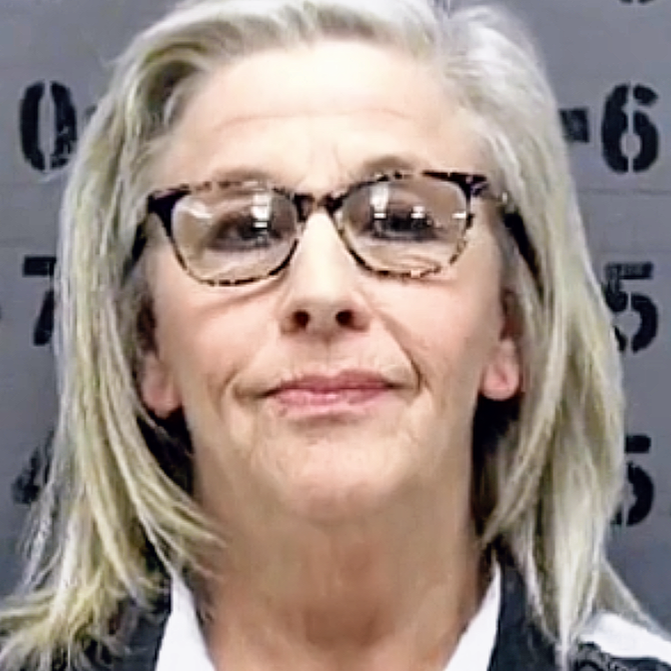
On the morning of June 28, 2014, Will Embert came back to his father’s house expecting to spend the day at a racetrack. Instead, he heard shouting, saw Susan Embert running from the house, and learned that Jake Embert was dead. The official explanation arrived almost immediately: a self-inflicted gunshot wound.
Jake’s children did not believe it. They remembered a father who had made plans for that very afternoon, a man who had strongly opposed suicide, and a bedroom whose details seemed impossible to reconcile with the conclusion. But the body was cremated within a day, the investigation lasted less than an hour, and the case was closed before many of the questions had been asked.
For Jake’s family, the investigation did not begin with law enforcement. It began with doubt, photographs, and a private investigator who believed the bedroom had been staged. What followed was a decade-long legal struggle involving a changed death certificate, a murder conviction, a juror whose criminal history was not caught, a dismissed case, a retrial, a mistrial, and finally another murder conviction.
Even after the final sentence, the family was left with a complicated answer: the court had reached a verdict, but the system had taken years to correct its first assumptions.
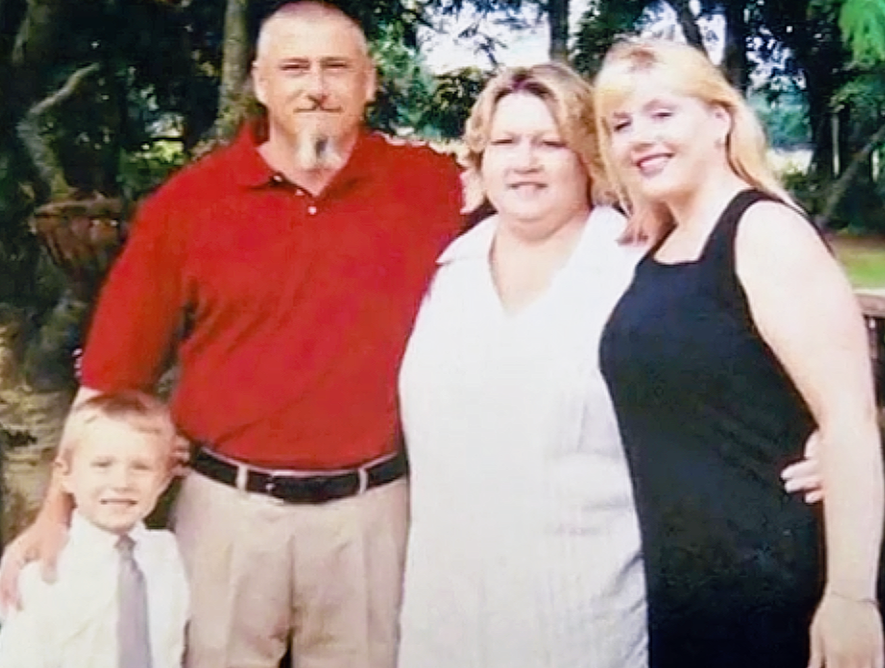
The 911 Call That Started the Case
The emergency call came from Albany, Georgia, on the morning of June 28, 2014. Susan Embert told the dispatcher that her husband had shot himself. She said she had been in another part of the house, heard a loud gunshot, and ran toward the bedroom. Jake was bleeding from the head and was not conscious.
The dispatcher instructed Susan not to touch him. She remained on the phone until a vehicle arrived at the house. The person inside was Jake’s 17-year-old son, Will, who had been there earlier that morning and was returning to spend the day with his father.
Will heard yelling as he approached. Susan came out of the house quickly, still on the phone. He remembered her telling him not to go back into the bedroom and not to touch anything. At first, she did not explain what had happened. Then she told him that his father had shot himself.
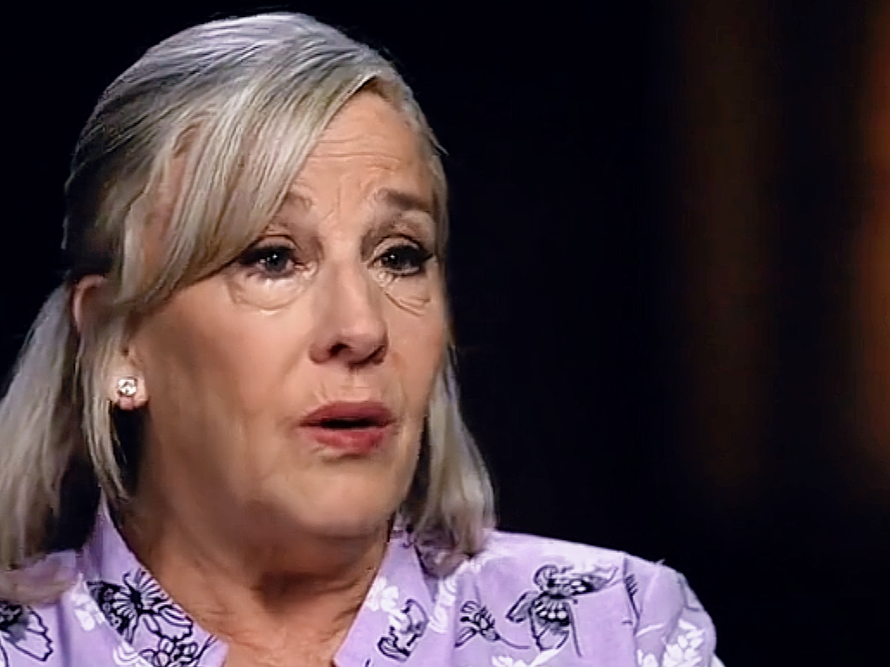
Will described collapsing when he understood that Jake was dead. He later remembered seeing police arrive up the driveway. His older sister, Rachel, was not at the house. Will called her and struggled to say what had happened. After a pause, he told her, “Dad’s dead.”
Rachel drove toward the house in a state of shock. She recalled telling herself not to stop at red lights or stop signs. When she arrived, officers were already inside. She saw Susan outside and demanded to know what had happened. The question would remain at the center of the family’s life for years.
Inside the bedroom, officers observed blood on the floor, a bullet hole in the wall, and a handgun near Jake’s hand. The scene was treated as an apparent suicide. The county coroner, Michael Fowler, arrived, viewed the body, and ultimately documented the gunshot as self-inflicted.
The conclusion was reached quickly. Jake’s family believed it was reached too quickly.

Who Was Jake Embert?
To understand why Jake’s children rejected the suicide ruling, it is important to understand the person they believed they knew.
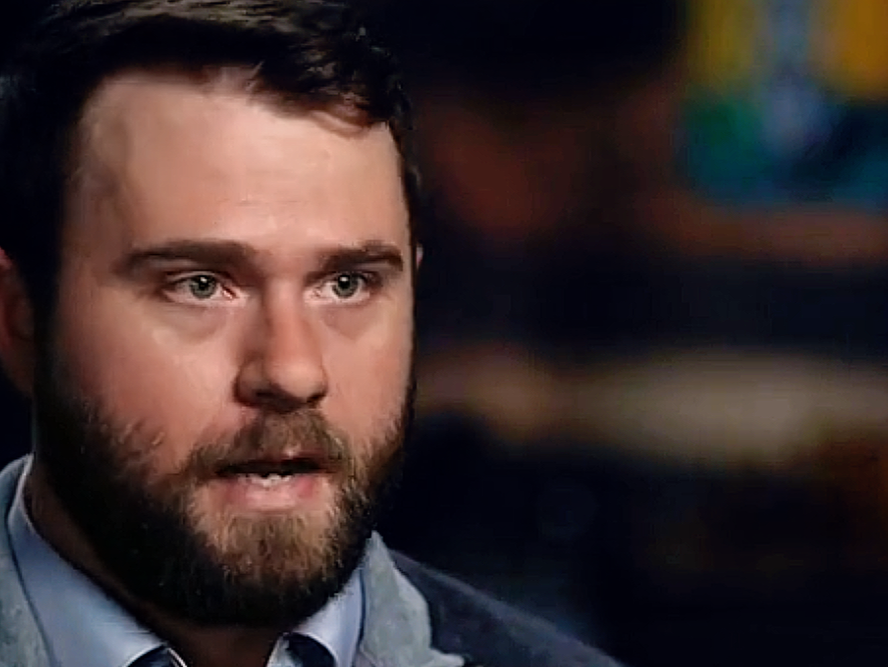
Jake was an Army veteran and worked as a mechanic at a nearby Marine base. He was the youngest of six children and the only boy. His five sisters and his mother had surrounded him as he grew up, and his family remembered him as someone who brought energy and humor into almost any situation.
He was also disciplined and authoritative. Rachel described a man whose military background shaped the way he carried himself. His children wanted to remain on his good side, but that seriousness existed alongside a playful personality. Jake loved cars, enjoyed racing, and had a long-standing interest in mechanics.
Fatherhood was central to his identity. Jake was not Rachel’s biological father. He married her mother when Rachel was a baby, but Rachel did not describe him as merely a stepfather. She described him as her father in every meaningful sense.
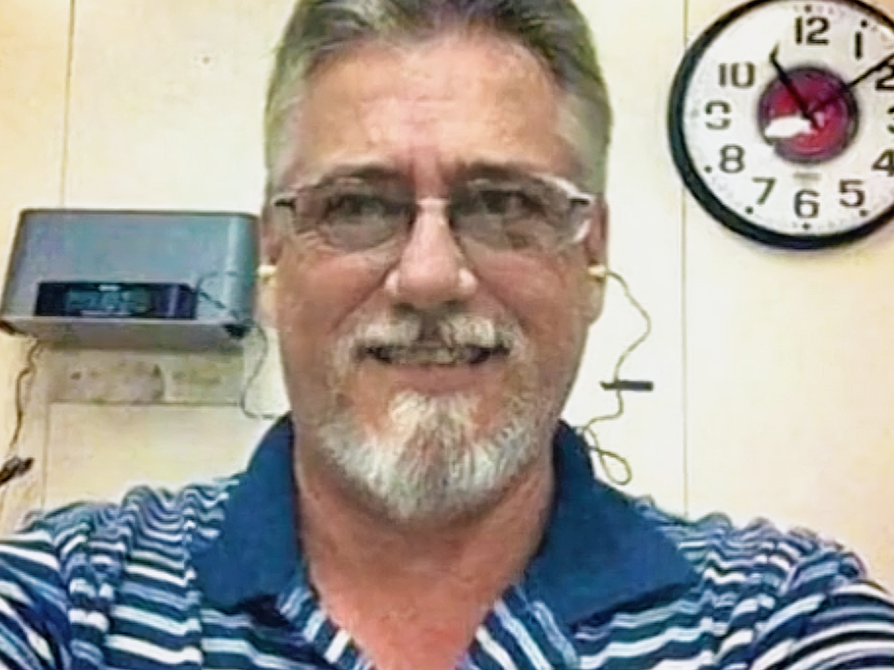
When Will was born, Jake formed an immediate bond with his son. Will remembered wanting to spend time with his father rather than avoid him. The two shared an interest in cars and went to the racetrack together. Jake’s 1975 Firebird was scheduled to be raced on the afternoon of June 28, 2014.
That plan became one of the details the family could not set aside. Earlier that morning, Will had coffee with his father. They discussed going to the track. Will left to pick up his girlfriend and expected to return so the two of them could go together. He remembered Jake as excited about the car and the plans.
For Rachel, the timing mattered. She could not understand why her father would decide to take his own life at the precise time his son was expected to return. She believed Jake would never knowingly leave Will to discover the aftermath of a suicide.
The family also remembered Jake as strongly opposed to suicide. Rachel recalled conversations in which he described suicide as a permanent response to a temporary problem. That belief did not make suicide impossible, but it made the official explanation difficult for those closest to him to accept.
A Short Marriage and a Sudden Decline in Health
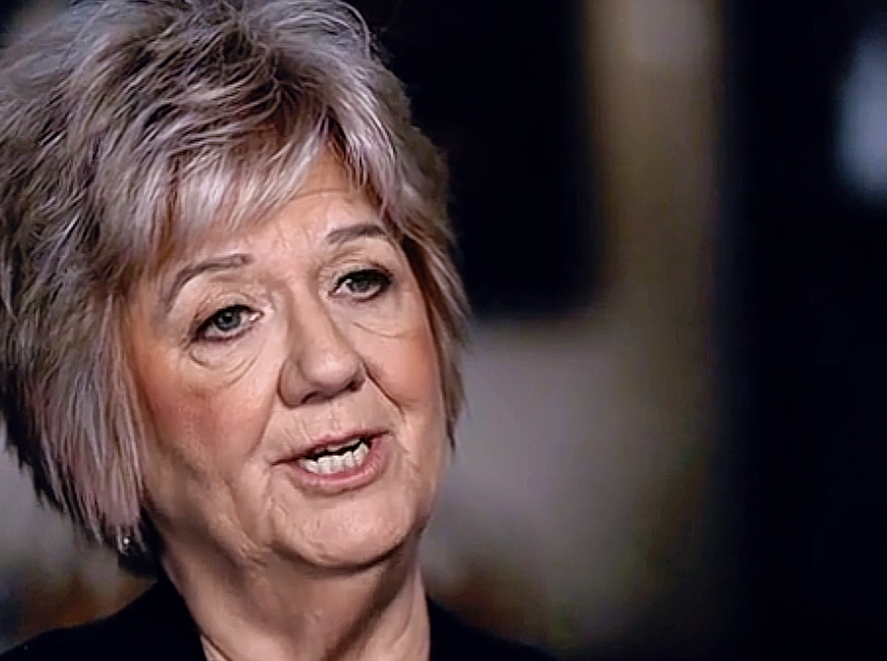
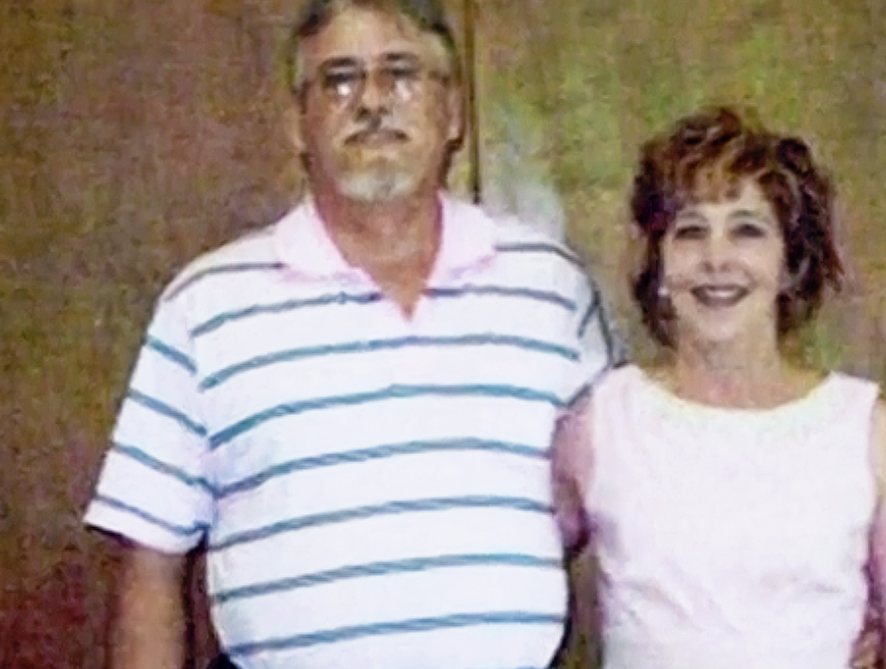
Jake met Susan through an online dating service after a 26-year marriage ended in divorce. Susan was 48 and Jake was 51 when they met. Susan said they connected quickly and enjoyed spending time together even when they were doing nothing in particular.
Susan worked in what she described as the nursing and medical field. A few months into the relationship, Jake suffered a heart attack. Susan moved in while he recovered. She said Jake proposed more than once before she accepted, and they married in a short courthouse ceremony attended by a small number of family members.
Rachel thought the marriage moved quickly, but she also understood why Jake might have wanted someone nearby after a major health crisis. The relationship soon became more complicated. Jake began experiencing seizures, and doctors did not initially identify a clear cause. Sixteen months after his first heart attack, he suffered another, more serious attack.

He survived, but his health continued to deteriorate. He experienced stomach pain and nausea, became increasingly ill, and eventually had to miss work. His family saw the illness affect his finances and his personality. The upbeat, joking man they knew seemed to disappear behind a long period of pain and exhaustion.
Then Jake’s dog, Zoe, became sick. Susan took Zoe to a veterinarian and returned with the explanation that the dog had distemper and needed to be euthanized. Jake was devastated. His family remembered him crying over the loss.
By the time of his death, Jake had endured repeated health problems, lost his dog, and faced financial strain. Susan told police that he had been tired of being sick. That statement fit the initial theory of suicide. To Jake’s children, however, it did not explain the entire picture, particularly the plans he had made that morning and the details of the bedroom.

Why the Suicide Ruling Did Not Satisfy His Family
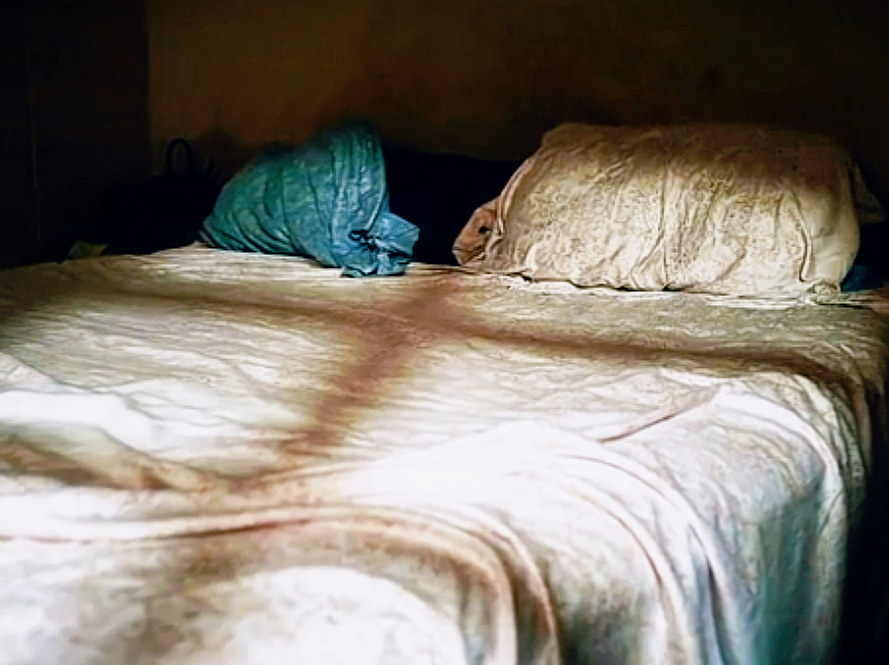
Rachel and Will returned to the house the night of the shooting. In the bedroom, they saw that the sheets had been removed. The mattress remained, and two towels had been placed over the blood. Blood was still soaking through them.
The room did not look to Rachel like a carefully preserved suicide scene. It looked altered. She and Will stood together and cried, trying to process the death and the condition of the bedroom at the same time.
The following day, the family noticed more details that troubled them. The locks on the house were being changed. When relatives discussed holding a memorial service, Susan said there would be no service, according to Rachel. Susan later said she had intended to arrange one but felt the family had moved ahead without her.

The family held its own service. Susan did not attend and said she had not been invited. The disagreements were not proof of murder, but they deepened the separation between Susan and Jake’s relatives.
The family also struggled with the official language of the death. A suicide ruling can close a case quickly when the scene appears straightforward. But Jake’s relatives felt that the scene had not been tested with the care the circumstances required. They believed that no one had adequately asked whether the physical evidence matched the conclusion.
Rachel repeatedly asked the coroner if he was certain Jake had killed himself. Michael Fowler later said he based his decision on the information available at the time. He did not order an autopsy, and Jake’s body was cremated within 24 hours.
That decision became irreversible. Once the body was cremated, investigators could no longer conduct many of the examinations that might have clarified the death. The family was left with scene photographs, witness accounts, and unanswered questions.

The Investigation That Almost Did Not Happen
Jake’s sister Yvonne Magnus drove from North Carolina to Georgia because she could not accept the suicide ruling. She spoke with police and urged them to look into the death. Detectives visited the house and spoke briefly with Susan, who eventually declined to continue the conversation. The case did not change.
Yvonne recorded a follow-up call with a detective and was told the case was closed. The detective’s position was that there was nothing more law enforcement could do. Yvonne said she did not accept that answer when she believed someone was not telling the truth or when something appeared seriously wrong.
A friend suggested hiring a private investigator. Yvonne had never used one and did not know where to begin. She searched online for private investigators in Albany, Georgia, while crying so hard she could barely see the screen. The name she selected was Lee Wilson.
Wilson was a former police detective with more than 20 years of experience. He had worked on many types of cases, including suicides. He agreed to examine Jake’s death, but he did not promise the family that the result would support their suspicions. He told them that if his findings indicated suicide, they would have to accept that conclusion.
Wilson began by requesting records. He wanted photographs, police reports, laboratory reports, toxicology information, and anything else that explained why the death had been classified as self-inflicted.
What he found was a case file with very little investigative work behind the decision. According to his review, no detective had come to the scene. The entire response, from the initial call through the final radio communication clearing the scene, took less than an hour.
Wilson learned that one responding officer was new to the force and had never previously seen a dead body. The officer told him that he had wanted to leave the scene. Other officers acknowledged that they had looked at Jake’s body, seen a gun near his hand, and assumed the death was a suicide.
No one had seriously considered another possibility, according to the interviews Wilson conducted. There had been no autopsy, no comprehensive toxicology analysis, no documented measurements of the wounds, and no meaningful attempt to test the scene as a possible homicide.
The lack of investigation did not establish who killed Jake. But it meant the original ruling had been made without preserving much of the evidence that could have answered the question.

The Evidence Inside the Crime Scene Photos
The turning point came when Wilson obtained the photographs taken inside the bedroom. He noticed what he believed were signs that the scene had been manipulated.
In one photograph, Jake’s hand appeared to rest over the handgun. Two fingers lay across the handle, but nothing appeared to be on the trigger. The weapon was also tucked beneath his right leg. Wilson questioned how it could have ended up in that position after a self-inflicted gunshot wound.
He also expected the hand to show visible blood if it had been near the wound. He did not see what he expected in the photograph. The bed itself raised additional questions. A bath mat was positioned behind Jake’s head, and the sheets appeared tight and rippled in a way Wilson interpreted as evidence that someone had pulled the body back onto the mattress.
Wilson sent the photographs to two colleagues who had experience investigating deaths. He did not tell them the family’s theory. Both independently responded that the scene looked staged.

At that point, the family’s private suspicion became an explicit homicide theory. The only other person known to have been inside the house was Susan.
There were other details the family considered suspicious. After Rachel became executor of Jake’s estate, Susan left Albany. A U-Haul appeared at the property, and Susan moved to Florida. When Rachel later recorded the condition of the house, she described it as filthy and largely emptied. The washer and dryer, kitchen table, dining room set, and childhood heirlooms were gone.
The mattress connected to the shooting had been moved into the yard, but the bedroom had not been cleaned. Rachel recorded blood on the floor and a mark on the wall where the bullet had struck. To her, the condition of the room suggested that the aftermath had been neglected rather than properly handled.
Those observations were part of the family’s case theory, not a substitute for a complete forensic examination. The absence of an autopsy and the early cremation meant the evidence could not be rebuilt from the beginning. The prosecution would eventually have to rely heavily on photographs, testimony, and the circumstances surrounding the marriage and the shooting.

The Questions About Susan Embert
As Wilson continued investigating, he examined the relationship between Jake and Susan. Family members described arguments, accusations of infidelity, and occasions when police came to the house. No one was arrested during the incidents recalled by Rachel.
Rachel also discovered Facebook messages between Jake and Susan. In messages written shortly before the wedding, Susan appeared to tell Jake that she had taken a pregnancy test that came back positive. Rachel believed the message explained why Jake married Susan so quickly. Susan denied telling Jake she was pregnant and later said the test had been positive even though she did not believe she was pregnant.
Money became another area of conflict. Jake had been known to manage his finances responsibly, but the family said Susan took over the bills after the marriage and the household developed serious financial problems. Yvonne remembered Jake asking for help, something she said he had never done before.
Life insurance was particularly important. Yvonne said Jake told her Susan was pressuring him to change the beneficiary on his policy. Jake had an underage son, and Yvonne questioned whether the decision was wise. Jake told her that Susan would take care of Will if something happened to him.
Susan gave a different account. She said Jake wanted to make her the beneficiary because she was his wife and denied pressuring him.
Wilson also examined Susan’s background. She had been married three times before. He spoke with two former husbands, one of whom described heavy drinking during their marriage. Wilson also found records of arrests and convictions in Florida, including trespassing, resisting arrest, and multiple driving-under-the-influence convictions.
None of those facts, by themselves, proved that Susan killed Jake. The prosecution’s theory depended on combining motive evidence with the physical evidence from the bedroom and the contradictions in Susan’s accounts of the morning.
Susan told different people different versions of what she had been doing when the gun went off. She said she had just come out of the shower. Will remembered her as fully dressed, with her hair and makeup done, when he arrived minutes later. Rachel recalled another version in which Susan said she had been at the computer. Susan later told Yvonne that she had been drying or straightening her hair before hearing the gunshot.
Susan denied the contradictions were meaningful. She insisted she had not killed Jake, had not staged the bedroom, and had not poisoned him. She said the family was lying because they did not know her well enough to understand what had happened.
The Poisoning Theory and Its Collapse
Because Jake had suffered repeated health problems before his death, his family began to wonder whether he had been poisoned. Their theory was based on the timing of his decline and Susan’s role in managing his food and medication. They also questioned the unexplained seizures and Zoe’s sudden illness.
Yvonne said she could not find evidence that Susan was a licensed nurse. Wilson’s investigation indicated that Susan had enrolled in a nurse’s aide program similar to a certified nursing assistant course in Georgia but had not completed it. Susan said she had worked in the nursing and medical field and possessed medical certificates, but denied presenting herself as a nurse in the way the family described.
The body was no longer available for testing. Yvonne suggested that Rachel retrieve a hairbrush from Jake’s former home. Rachel located the brush and gave it to Wilson. The sample was ultimately sent for testing.

Four months after Susan’s arrest, the district attorney’s office reported that the hair contained high levels of pesticides, including DEET, as well as antifreeze and other substances. Prosecutors added an aggravated assault charge connected to the alleged poisoning.
The poisoning evidence became central to the first trial. Prosecutors argued that Susan had poisoned Jake before shooting him because his upcoming medical appointment might have revealed abnormal levels in his body. They suggested she believed he was not dying quickly enough and that she shot him to prevent the poisoning from being discovered.

Susan denied poisoning Jake or Zoe. The defense later challenged the hair evidence. The hairbrush had been collected by Rachel rather than police, and the chain of custody was not established. The laboratory that reported the findings later had its license suspended after accusations of misconduct.
Before the second trial, the judge excluded the poisoning evidence and dismissed the poisoning charge from the case. The defense argued that the theory was not reliable or realistic, particularly because the original medical evidence had not been preserved through an autopsy or proper testing.
The collapse of the poisoning theory significantly changed the prosecution’s case. The final trials would focus more heavily on the bedroom photographs, the position of the handgun, Jake’s dominant hand, the witness testimony, and the circumstances that prosecutors said showed motive.
The First Trial and the Conviction That Was Overturned
In December 2019, Susan went to trial. The prosecution argued that Jake had been poisoned and then shot. It presented evidence about the alleged chemicals, the Firebird, Susan’s statements on the 911 call, and the circumstances of the death.
The prosecution also emphasized a statement Susan made during the emergency call. Within seconds of speaking with the dispatcher, she began describing Jake as gay and said he had sexually transmitted diseases. Jake’s family testified that he was not gay. Susan later said she had meant to say that Jake had post-traumatic stress disorder, not sexually transmitted diseases.
The defense argued that the original suicide ruling was correct. Susan testified that she was sincere during the 911 call but was in a very bad state of mind. She said Jake had seemed distant and that their intimate relationship had declined. She maintained that she asked him whether he was gay and later left the room to get a vapor cigarette. She said she heard the gunshot, ran toward the bedroom, and called 911.

The jury deliberated for less than an hour and found Susan guilty of malice murder and aggravated assault. She received a life sentence, plus 10 years for the poisoning charge.
The conviction did not end the case. Susan’s new lawyer, Jen Hyman, reviewed the trial and discovered that one of the jurors had a felony conviction. The juror’s rights had not been restored through the required process, and the issue had not been caught during jury selection.
That error led to the conviction being overturned. After more than four years in prison, Susan was released. Her defense filed a motion arguing that the delay since the original charges violated her right to a speedy trial. The judge agreed and dismissed all charges.
Jake’s family was devastated. They believed the dismissal reflected a pattern of failures that had begun with the initial response to the death. Susan, meanwhile, continued to deny killing Jake and said she had been freed because she had told the truth.
The district attorney’s office appealed. The Georgia Supreme Court sided with the prosecution, allowing Susan to face another trial.

The Second Trial and the Mistrial
The second trial began in December 2025, after the poisoning theory had been excluded. The prosecution had less evidence than it had presented in the first trial, but it developed a more focused argument around the crime scene.
Prosecutors called Douglas Buckner, a friend of Jake’s and a fellow race-car enthusiast. Buckner had visited the house roughly two weeks before Jake was shot to discuss buying the Firebird. He testified that Susan sent him semi-nude and nude photographs of herself in text messages.
Buckner said he told Susan that he would show the messages to Jake. Prosecutors argued that Susan feared Jake would divorce her if he learned about the messages. They said she wanted to remain married because she had been named the beneficiary of Jake’s life insurance policy. After Jake’s death, Susan received the payout, while Jake’s children received none, according to the program’s account.
The central issue, however, was the bedroom.
Prosecutors displayed the crime scene photographs and argued that a .45-caliber handgun would likely recoil from a shooter’s hand. They emphasized that the gun was found in Jake’s right hand even though family members described him as left-handed and said they had never seen him shoot with his right hand.
The state also presented a forensic expert who said the body appeared to have been moved and that the scene appeared to have been altered to look like a suicide. The prosecution’s position was that the physical evidence did not support a reasonable suicide explanation.
The defense responded that the investigation’s failures had destroyed potentially exculpatory evidence. Because there had been no autopsy and no gunshot-residue testing at the time, the defense argued that the state could not prove Susan had fired the weapon. It also argued that a left-handed person might use the right hand to shoot, particularly if the gun was not modified for left-handed use.

The defense presented evidence that Jake had seen a psychiatrist for more than four years and had been prescribed fluoxetine, also known as Prozac. It argued that Jake may have been more depressed than his family understood. The prosecution countered that taking an antidepressant did not prove suicidal intent, but also did not prove murder.
Susan did not testify in this trial. Her lawyers focused on the state’s burden to prove murder beyond a reasonable doubt and argued that the prosecution’s case contained gaps created by the original investigation.
The proceedings ended in a mistrial after a witness referred to antifreeze even though the prosecution had been ordered not to mention the excluded poisoning evidence. The defense moved for a mistrial, and the judge granted it.
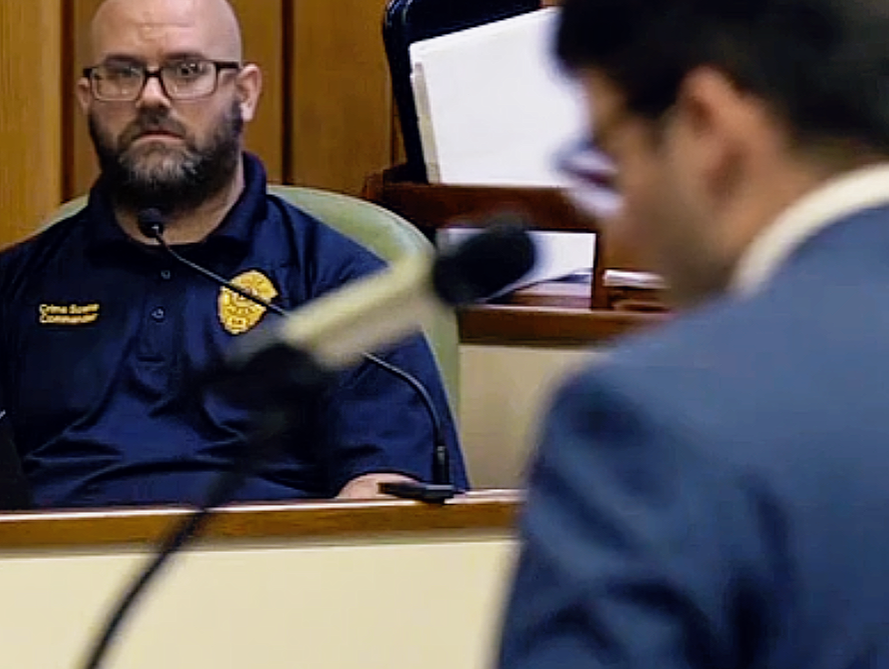
Rachel responded with a letter to the district attorney’s office, writing that her father had been murdered once but that the justice system had repeatedly destroyed the family. The district attorney’s office acknowledged that the restriction had not been communicated to the witness. The case returned to court with Dowdy White as lead prosecutor and Guy Terry also involved.
The prosecutors then prepared for a third trial. They focused on the crime scene, the alleged staging, the weapon’s position, Jake’s left-handedness, and the evidence that Susan feared divorce. The final prosecution theory was narrower than the first: the jury would be asked whether Susan murdered Jake and made the bedroom appear to show a suicide, not whether she had poisoned him.

The Third Trial and Final Conviction
One month later, the case returned to court for trial number three. Susan’s defense argued that the prosecution had lost its strongest theory when the poisoning evidence was excluded. The state relied on the remaining crime scene photographs, testimony about the handgun and Jake’s dominant hand, and evidence concerning Susan’s alleged motive.
The jury deliberated overnight. The next morning, it returned guilty verdicts on murder and felony murder. Twelve days later, Susan was sentenced to life in prison.
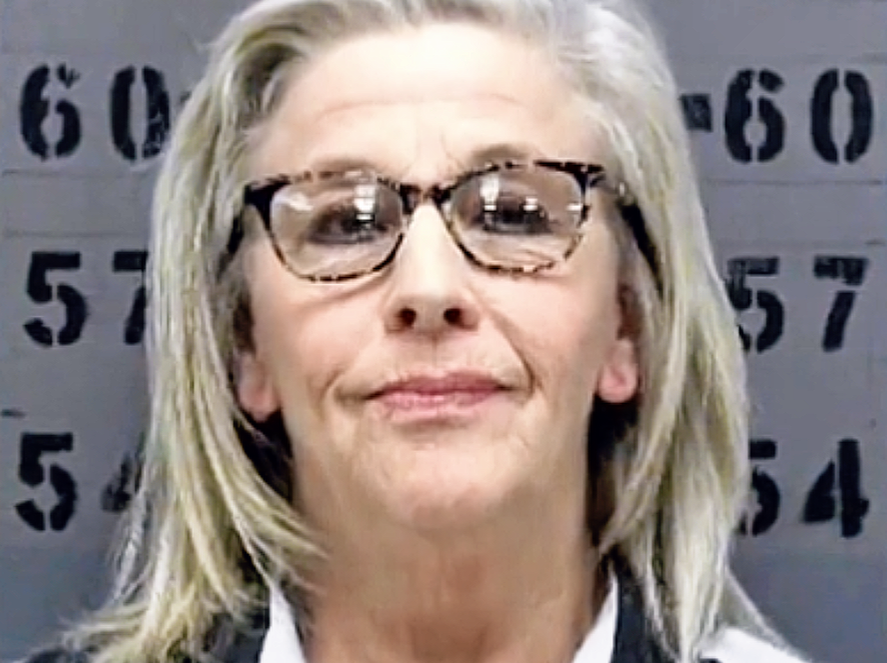
What Happened to Susan Embert?
Susan Embert was sentenced to life in prison after the final conviction. The SRT states that she had filed a motion for a new trial. She continued to deny killing Jake and said the original suicide explanation was true.
Her daughter, Krista, supported her and described Susan’s release after the first conviction was overturned as emotionally devastating. Krista said she had lost her closest friend and could no longer speak with or hug her mother freely. Susan told her that the truth would eventually come out and that she would return home.
Jake’s family experienced the final conviction differently. Rachel said she could not describe the feeling in simple terms such as happiness, but she was relieved that Susan would be held accountable. Yvonne described the sentence as justice from a judicial perspective while acknowledging that the family remained permanently broken.

Will was 17 when his father died. In the years that followed, he served in the Army, married, and became a police officer. He said he would not do his job the way he believed the original responders had done theirs. He understood that a death call might be someone’s worst day and said officers needed to give people their full attention.
When asked what Jake would think of him becoming a police officer, Will said he believed his father would be proud.
The case leaves two truths beside each other: the jury’s final conclusion that Susan was guilty, and an original investigation so limited that critical evidence was never collected. Later legal errors nearly erased the conviction.
The family spent years trying to correct an official conclusion made in less than an hour. The verdict did not erase the missing evidence, disputed memories, changing explanations, compromised jury process, or repeated delays. It explains why the family’s anger continued even after Susan was sentenced.

FAQ
How did Jake Embert die?
Jake Embert died from a gunshot wound to the head on June 28, 2014, in Albany, Georgia. His death was initially ruled a suicide. After a later investigation, the coroner changed the manner of death to homicide.
Who was convicted in Jake Embert’s death?
Jake’s wife, Susan Embert, was convicted of murder. The prosecution argued that she shot Jake and staged the bedroom to look like a suicide. Susan has consistently denied killing him.
Why did investigators later question the suicide ruling?
Private investigator Lee Wilson reviewed the crime scene photographs and believed the body had been moved. He also questioned the position of the handgun, the appearance of Jake’s hand, the condition of the bed, and the fact that the weapon was found in Jake’s right hand even though his family described him as left-handed.
Was Jake Embert’s body autopsied?
No. The coroner did not order an autopsy, and Jake’s body was cremated within 24 hours of his death. That meant later investigators could not conduct many tests that might have clarified the cause and manner of death.
What happened to the poisoning evidence?
The first prosecution relied partly on testing from hair taken from Jake’s hairbrush. The reported results identified pesticides, DEET, antifreeze, and other substances. The defense challenged the chain of custody and the laboratory’s reliability. Before the later trial, the poisoning charge and related evidence were excluded.
Why was Susan Embert’s first conviction overturned?
A defense attorney discovered that one juror had a felony conviction and had not completed the process required to restore eligibility to serve on a jury. That error became grounds to overturn the conviction.
Why were the charges later dismissed?
After the first conviction was overturned, the defense argued that the delay since Susan’s original charges violated her right to a speedy trial. A judge agreed and dismissed the charges. The prosecution appealed, and the Georgia Supreme Court later ruled that Susan could be tried again.
What was the outcome of Susan Embert’s final trial?
The jury found Susan Embert guilty of murder and felony murder. She was sentenced to life in prison. The SRT states that she had filed a motion for a new trial.
Did Susan Embert admit to killing Jake?
No. Susan denied shooting Jake, denied staging the bedroom, and denied poisoning Jake or his dog. She maintained that Jake died by suicide.
What role did Jake Embert’s family play in the case?
Jake’s children, Rachel and Will, and his sister, Yvonne Magnus, repeatedly challenged the suicide ruling. Yvonne hired private investigator Lee Wilson, and the family helped bring the crime scene photographs and other concerns back to prosecutors.


