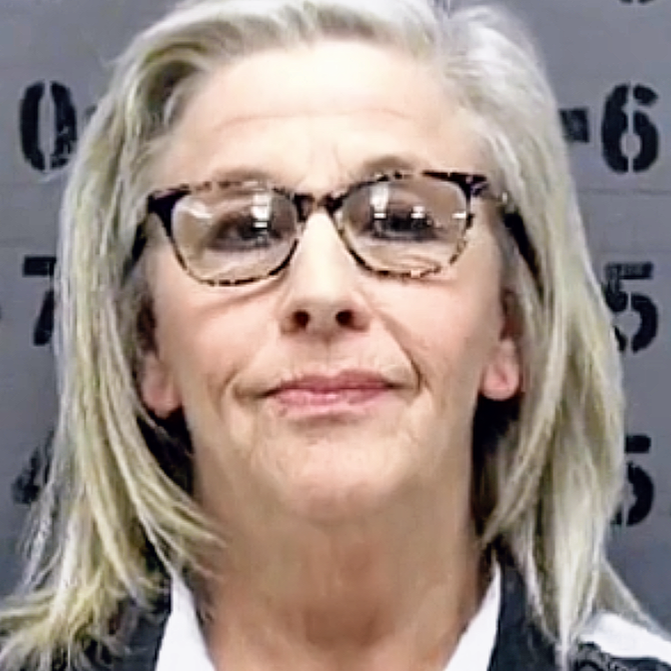
When John Nichols died, his family was told they were facing the loss of a 77-year-old husband. But the circumstances did not look like an ordinary cardiac death. His daughter questioned the rapid move toward cremation. Rebecca, Nichols’ stepdaughter, remembered a mother with a history of alleged poisoning, manipulation, and financial schemes. Three years later, investigators arrested Myrle Miller for first-degree murder.

A Childhood Shaped by Neglect
Rebecca’s story begins long before the death of John Nichols. In her account, childhood was defined by deprivation, uncertainty, and the persistent feeling that her mother’s needs came first. One Christmas, Rebecca—then nearly 8—woke to find two bicycles waiting in the living room. She hoped one might be hers. Instead, she says, her mother told her the bikes were for boys. Rebecca had asked for a bicycle repeatedly. Her brothers had not.
The incident stayed with her because it represented more than a disappointing gift. In Rebecca’s telling, it was evidence of a pattern: her mother could spend money on herself and other family members, yet present basic needs as unreasonable demands. The family refrigerator was sometimes nearly empty. Rebecca remembers going without food, stealing a candy bar because she was so hungry, and doctors worrying that she was not growing or receiving sufficient nutrition.

Her father, she said, was distant and worked frequently. Looking back, Rebecca did not describe either parent as consistently compassionate or affectionate. The result was a home in which she learned to search for care rather than expect it.
That search eventually led to foster care. After Rebecca’s sister raised concerns about there not being enough food in the home, the children were removed from their mother’s care. Rebecca was placed with a foster family whose daily routines offered experiences she had not known were unusual: sitting down for a family meal, listening to music together, receiving attention, and learning ordinary personal-care habits.
The contrast was life-changing. For the first time, Rebecca said, she saw what a genuine family could look and feel like. Yet the bond between a child and a parent remained powerful. When supervised visits resumed, she still missed her mother.

The First Poisoning Allegations
During one expected visit, the children learned that their father was in the hospital and that police had charged their mother with poisoning him. Rebecca was told the charge was attempted homicide. The revelation forced a child to reconcile two incompatible images: the mother she longed for and the woman authorities believed had tried to kill her husband.
Rebecca later read a report describing allegations about earlier incidents involving her mother’s father. According to the account quoted in the SRT, the victim had become strangely ill after eating food prepared by the defendant. On one occasion, a cup had allegedly been set aside while white powder—apparently crushed pills—was stirred into it. The cup was then directed to the sick man.

Rebecca emphasized that she was not present for those events. She also said her mother was acquitted in the attempted-murder case because of a technical issue, as Rebecca understood it—not because the evidence had established her innocence. That distinction is important. The transcript records Rebecca’s understanding and emotional interpretation; it does not provide a complete court record or identify the specific legal ruling.
After the poisoning incident involving Rebecca’s father, he survived but was described as weak and frail. Rebecca was shocked when she learned what her mother had allegedly done.
At age 7, Rebecca was told she might be able to live with her mother again. She was excited and hoped that, with her father no longer in the home, family life would become healthier. Instead, she describes a continued pattern of legal trouble, financial misconduct, and instability. Her mother was in and out of jail, including during the attempted-murder trial and later for writing bad checks and stealing money from a Legion where she served on a board.

Jack’s Death and a New Relationship
The SRT identifies Jack as a man who became an important figure in the family and later developed incurable cancer. In 2010, around the time Rebecca’s first daughter was born, Rebecca helped care for him. She described him as taking medication and undergoing chemotherapy while trying to live as long as possible.
Jack’s condition deteriorated from October into December. On the night he died, Rebecca recalled that her mother went to bed after being told to rest. Within about 20 minutes, Jack passed away. Rebecca said her mother did not cry. She could not tell whether the reaction reflected shock or a lack of empathy.

Within 30 days, Rebecca said, her mother was courting a neighbor. The timeline mattered to Rebecca because she believed Jack had been a stabilizing influence. She described him as the backbone that kept her mother from going astray. His death, in her view, left the family vulnerable to a return of old patterns.
The neighbor was John. According to the transcript, John and Joan had purchased a house two doors down from Rebecca’s mother. Joan became ill with heartburn and nausea and was later found asleep in a chair with coffee beside her. Rebecca’s mother called 911, and Joan was pronounced dead. Rebecca said she did not believe there had been foul play at the time. She also firmly acknowledged that the circumstances left a question in her mind because of her mother’s history.
Rebecca did not claim to know that her mother harmed Joan. She specifically resisted speculation, noting that Joan had been cremated and that there would never be further testing of her remains. That caution is central to understanding the account: suspicion was present, but the transcript does not establish a homicide in Joan’s death.

John Nichols Enters the Picture
Rebecca believed her mother pursued John almost immediately after Jack’s death, before the family had held Jack’s memorial service. She questioned whether the relationship was driven by love or by John’s assets. John, she said, was open about having money and did not believe he was vulnerable. He saw her mother as a friendly older woman who baked pies and enjoyed socializing.
John did not know the full history Rebecca associated with her mother. According to Rebecca, he was unaware of the attempted-murder trial, the jail time, the bad checks, and the theft allegation. Her mother told Rebecca not to discuss their past with John. She wanted him to see her without information that might cause him to reject her.

The relationship moved quickly. The transcript describes conversations about vacations, cars, furniture, and giving money away. Rebecca said her mother complained that John was controlling with his money and that it would take time to gain access to it.
A conversation with her sister-in-law brought the financial concerns into sharper focus. Rebecca was told that approximately $35,000 of John’s money had been given away. When Rebecca questioned her mother, the response was defensive: what John and Myrle did with their money was supposedly no one else’s business. Yet, Rebecca said, her mother also did not want her speaking with John about the money.
Money, Secrecy, and a Family Breaking Apart
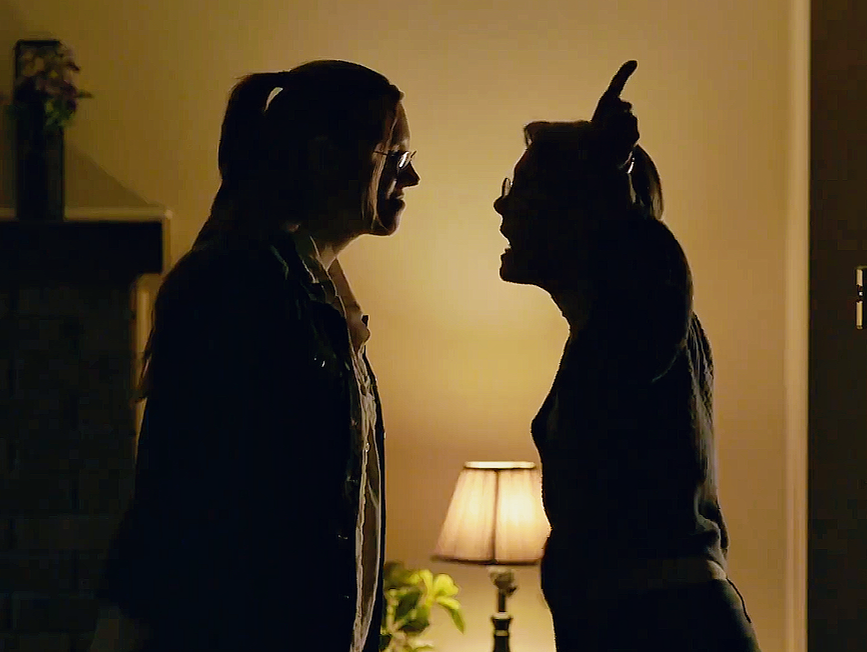
The conflict escalated after Rebecca challenged the flow of John’s money. She said her mother began plotting, increasing pressure, and attempting to isolate her. Then, according to Rebecca, her mother contacted children-and-youth services and made accusations involving Rebecca’s children.
Rebecca said her mother wanted to keep the children and have them placed in her own foster care. Rebecca responded by contacting state police. When she arrived to retrieve her children, her mother allegedly told her she could not have them. Rebecca cited her custody order and said a state trooper was on the way. The children were ultimately gathered to leave.

Afterward, Rebecca warned John to check his accounts because she believed money was being given away. John did not believe her. He told her to leave his house. Rebecca believed her mother had already influenced him with her own version of events and prepared him to distrust Rebecca.
She described that confrontation as the final collapse of her relationship with her mother. The conflict was no longer only about childhood neglect or old allegations. It had moved into custody, financial control, and the protection of a vulnerable older man.

Why John Nichols’ Death Raised Questions
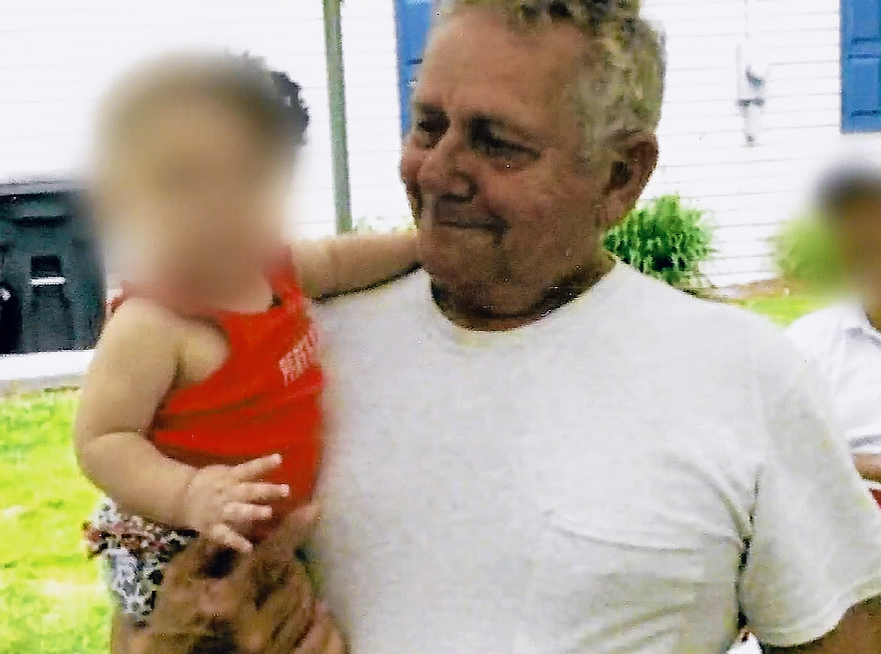
John Nichols died in 2021, according to the news report included in the transcript. He was 77. His daughter became concerned almost two weeks later because Myrle was reportedly focused on the will and on receiving full inheritance of John’s assets. The daughter believed the death was not normal.
The account says medics contacted state police, prompting a wrongful-death investigation. Investigators were concerned that John’s final symptoms resembled poisoning rather than an ordinary cardiac arrest. One detail mentioned in the report was frothing at the mouth, which the speaker contrasted with a typical cardiac-arrest presentation. Because the body was expected to be released for cremation, John’s daughter feared that any further examination would become impossible.
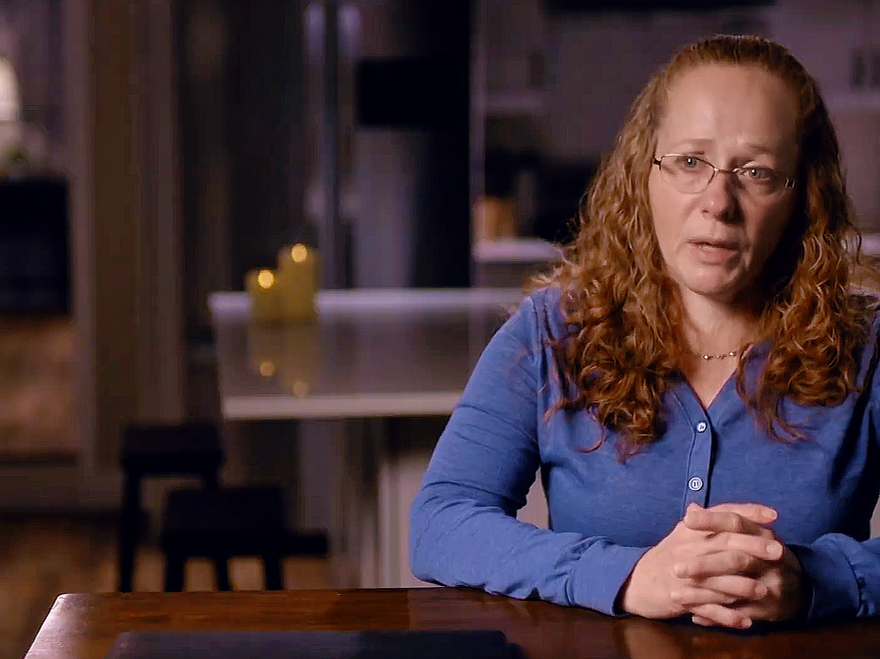
Rebecca’s reaction was immediate and deeply personal. She was not a witness. She had not seen what happened. But she knew her mother’s history, including the earlier attempted-murder allegations and Rebecca’s own account of being dangerously medicated as a child.
Rebecca said Thorazine had interacted dangerously with her heart condition, causing cardiac arrest on three occasions. She described being heavily sedated, drooling, shuffling, and slurring her speech. Doctors eventually told her mother that the medication had to be stopped or Rebecca could die. Looking back, Rebecca wondered whether her mother had wanted to eliminate the burden of caring for her. The transcript presents that as Rebecca’s fear and interpretation, not as a separately proven criminal charge.
The Autopsy and the Murder Case
The autopsy changed the investigation. The news report stated that John had fatally overdosed on verapamil, a medication that had not been prescribed to him. Police said the medication had been prescribed to his wife, 76-year-old Myrle Miller.
The transcript also reports that Miller had been involved in suspicious activity before John’s death, including forging his signatures to make herself the sole beneficiary of two life-insurance policies. Rebecca later said investigators learned that her mother received about $85,000 from John and had three life-insurance policies. According to Rebecca’s understanding, John knew about one policy, while two others had allegedly been opened without his knowledge. She further said that other people had pretended to be John during phone interviews.
These financial details supplied a possible motive, but motive is not the same as proof. The evidence described in the episode became significant because it connected the alleged drug exposure to a financial benefit and to conduct that investigators considered suspicious.

Three years after John’s death, Rebecca said, her mother was arrested for first-degree murder. A later news report in the transcript stated that Miller was found guilty on all charges. The SRT does not provide the complete indictment, trial evidence, sentencing details, or the precise list of charges. Those details should be confirmed through court records before publication as a standalone legal case summary.
Rebecca learned the full force of the evidence when she read the autopsy report. She shut her kitchen door, fell to the floor, and sobbed. For years she had carried the fear that something had happened to John. The report transformed suspicion into a documented medical finding: a fatal overdose of verapamil not prescribed to him.
Rebecca’s Search for Justice and Peace
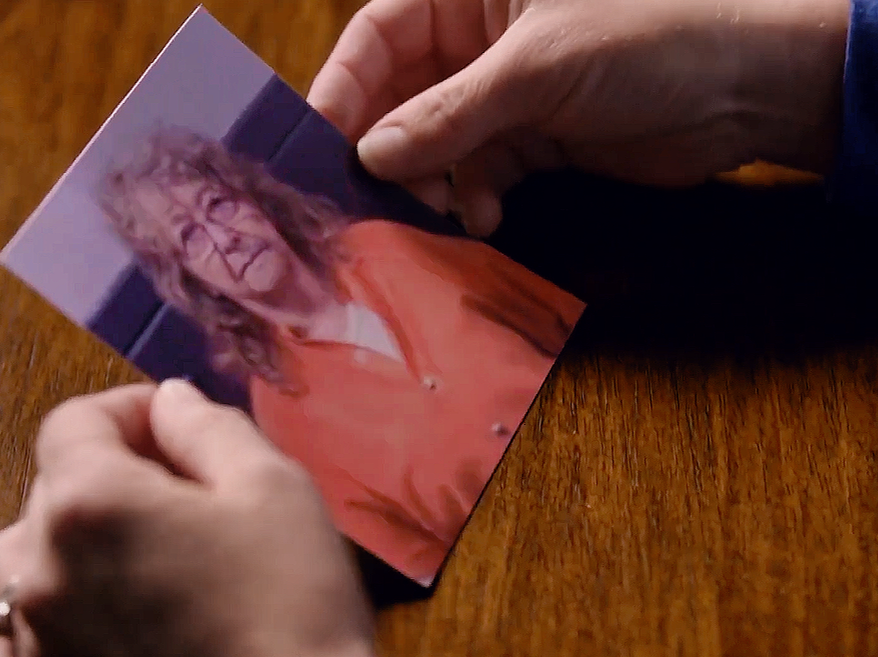
Rebecca’s feelings toward her mother remained complicated. She described grief, anger, trauma, and the belief that her mother had repeatedly chosen selfishness over responsibility. She also mourned the possibility of the mother she had wanted but never truly had.
When Myrle died in an emergency room on January 7, Rebecca was shocked. She had not had meaningful interaction with her mother for eight or nine years, but she had hoped for one final conversation—an exchange of forgiveness in which she could say, “I forgive you, I love you, go in peace.” That conversation never happened.

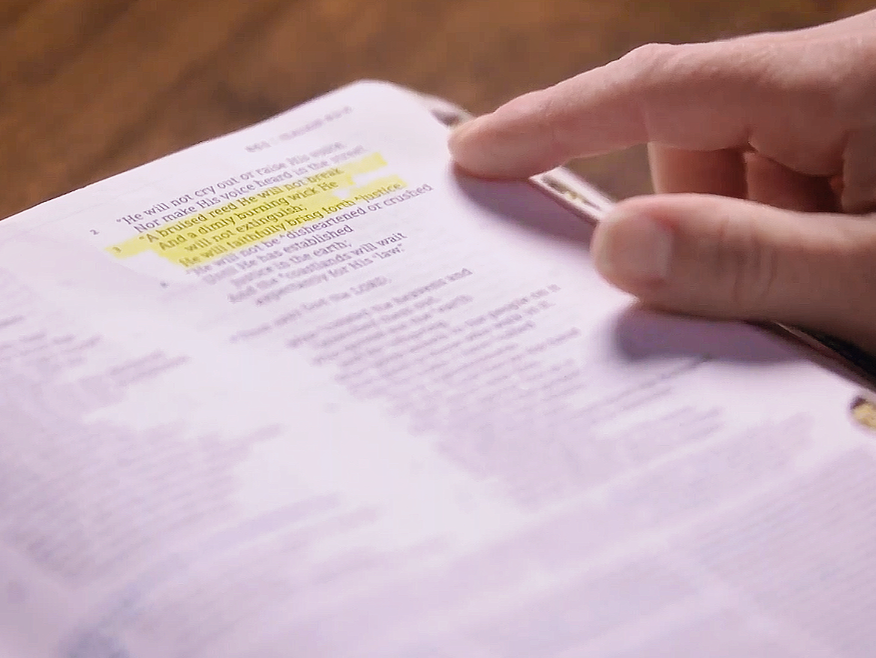
Faith became part of Rebecca’s healing. She cited Isaiah 42:3, a passage about a bruised reed not being broken and justice being brought forth. For Rebecca, justice did not erase every unanswered question. It did not prove every suspicion she had carried since childhood. But it did establish accountability for John’s death.
She now describes a life that includes a husband, children, happiness, and occasional grief. Trauma can return through triggers, she said, but she has learned not to remain inside it. Her survival is not presented as a simple ending. It is an ongoing process of living beyond what was done to her.
What the Record Supports—and What It Does Not
The provided SRT supports the following points: Rebecca reported severe childhood neglect; she described earlier allegations that her mother poisoned or attempted to poison family members; she said her mother faced an attempted-homicide charge and was acquitted on a technicality; Jack died after an incurable cancer; John Nichols died in 2021; the transcript’s news report attributed his death to a fatal verapamil overdose; police said the medication was prescribed to Myrle Miller; investigators identified alleged financial irregularities; Miller was arrested for first-degree murder three years later; and the transcript states that she was found guilty on all charges.
The SRT does not prove that Myrle caused Joan’s death, does not provide a complete account of the attempted-homicide court proceedings, and does not establish every allegation Rebecca makes about childhood medication as an adjudicated offense. Responsible true-crime writing must preserve those boundaries. The strongest story is not the one that turns every suspicion into a conclusion. It is the one that shows how patterns, evidence, family testimony, and forensic findings came together without erasing uncertainty.
For Rebecca, the central question was not only who killed John Nichols. It was how a lifetime of warning signs could be overlooked until a death, an autopsy, and a financial trail forced the case into the open. Her account is ultimately about a victim’s family, a damaged parent-child bond, and the difficult distance between knowing someone is capable of harm and proving what happened beyond a reasonable doubt.

FAQ
Who was John Nichols?
John Nichols was a 77-year-old man whose death in 2021 was investigated after concerns that it did not resemble a normal cardiac death. The transcript states that an autopsy found a fatal overdose of verapamil, a medication not prescribed to him.
Who was Myrle Miller?
Myrle Miller was John Nichols’ wife. Police said the verapamil found in connection with Nichols’ death had been prescribed to Miller. The transcript states that she was later arrested for first-degree murder and found guilty on all charges.
What caused John Nichols’ death?
According to the news report reproduced in the SRT, John Nichols fatally overdosed on verapamil. The transcript says the medication was not prescribed to him.
Why did investigators suspect foul play?
The transcript describes concerns about symptoms that resembled poisoning, the planned cremation of the body, financial activity involving John’s assets, and alleged life-insurance irregularities. These details prompted a wrongful-death investigation.
Was Myrle Miller convicted?
Yes. The transcript states that Miller was arrested for first-degree murder three years after John’s death and that a later report said she was found guilty on all charges. The provided SRT does not include sentencing information.
Did Rebecca witness John Nichols’ death?
No. Rebecca explicitly said she was not present and did not see what happened. Her concerns were based on her knowledge of her mother, her mother’s alleged history, and information she received from family and investigators.
What happened to Myrle Miller?
The transcript states that Miller later died in an emergency room on January 7. It does not specify the year or provide a medical cause of death.
Is Joan’s death proven to be connected to Myrle Miller?
No. The SRT records Rebecca’s suspicion but also her refusal to speculate. Joan was cremated, and the transcript does not establish that her death was a homicide.