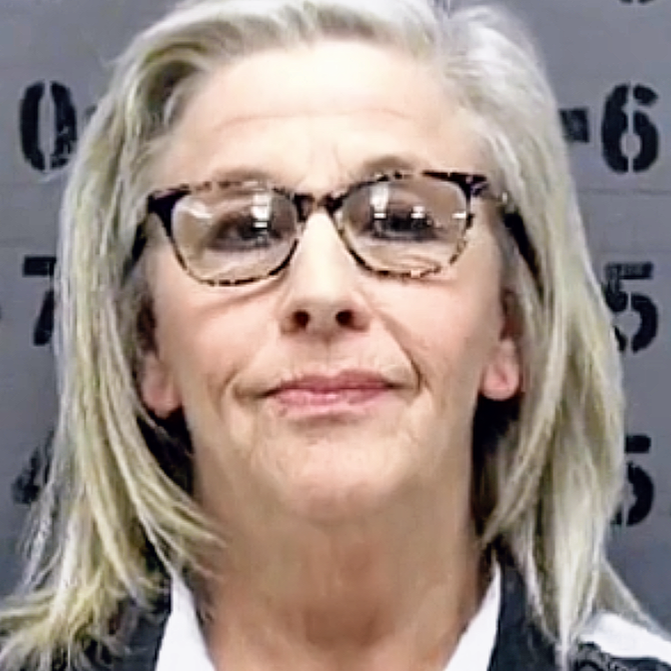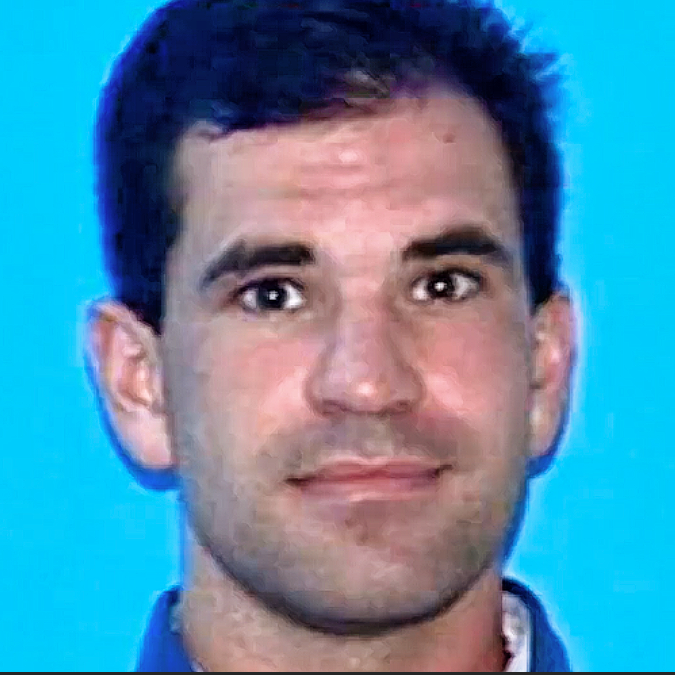
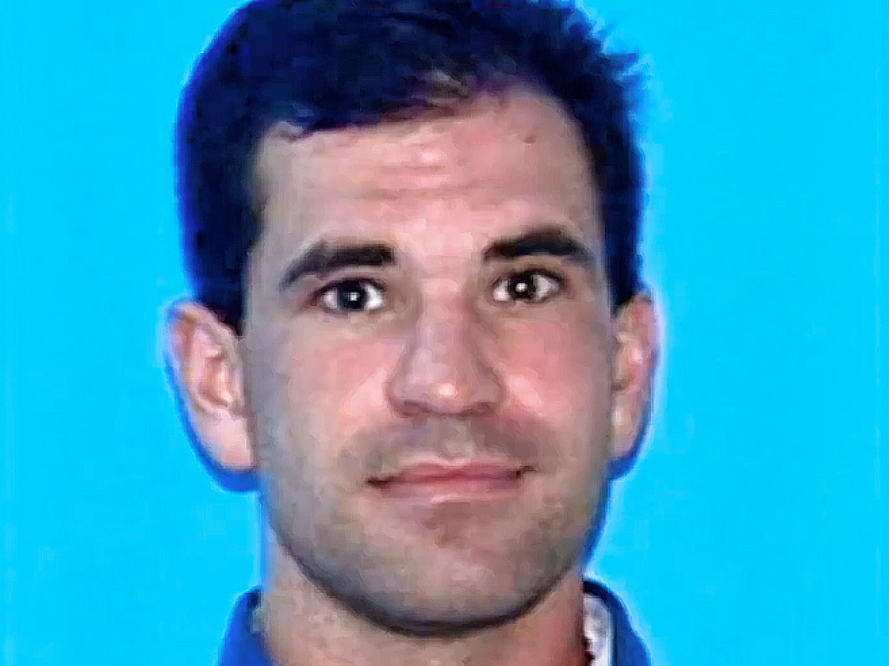
When Sherry saw Philip Dodd’s mugshot, her pulse raced. The image brought back his hands around her throat—and the truth that he had confessed to killing Rebecca Sutton.
Before police exposed him, Sherry’s family had already sensed something was wrong. She chose not to believe them. Years later, she would help take Dodd to the police station—and finally face the man he had become.
This is the story, as described in the source interview and broadcast material, of how a relationship formed around trust, how warning signs accumulated, and how a confession finally connected Dodd to a murder that had haunted Sutton’s family for years.

The Man Who Seemed Too Good to Be True
Sherry met Philip Dodd in 2005 while both worked at a long-term care facility. She was a registered nurse. Dodd was a licensed practical nurse, and she admired the way he worked. In her account, he appeared competent and caring. He also told her that he had custody of two children who lived with him and that he took them to church.
The timing mattered. She had recently gone through a divorce, an experience she described as devastating. She was not searching for another relationship. Yet Dodd seemed to embody the qualities she wanted to believe in: competence, responsibility and a connection to children. She later said he appeared “too good to be true.”
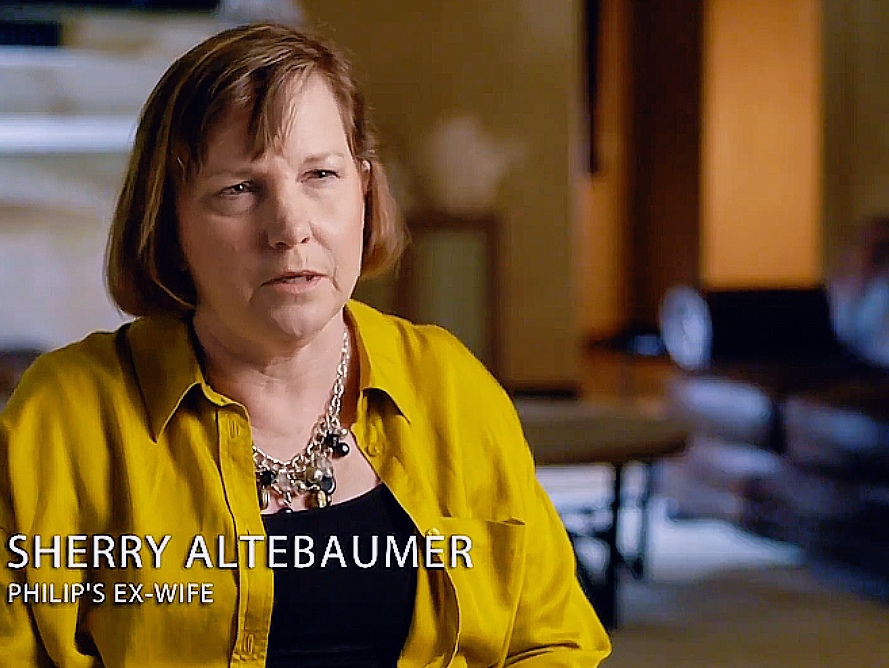
When she introduced him to her family, she was proud. She expected them to be impressed by the qualities she saw. At the gathering, Dodd appeared to blend in, and Sherry believed everything was going well. But her family’s reaction was different.
Afterward, her brother told her that the family had not been impressed. When Sherry asked what Dodd had said or done, her brother did not identify a single clear incident. Instead, he told her that he and their mother had sensed something was wrong. His words were direct: he felt Dodd was a bad person.
Sherry was shocked because the assessment was the opposite of her own. She decided her family might simply be mistaken.
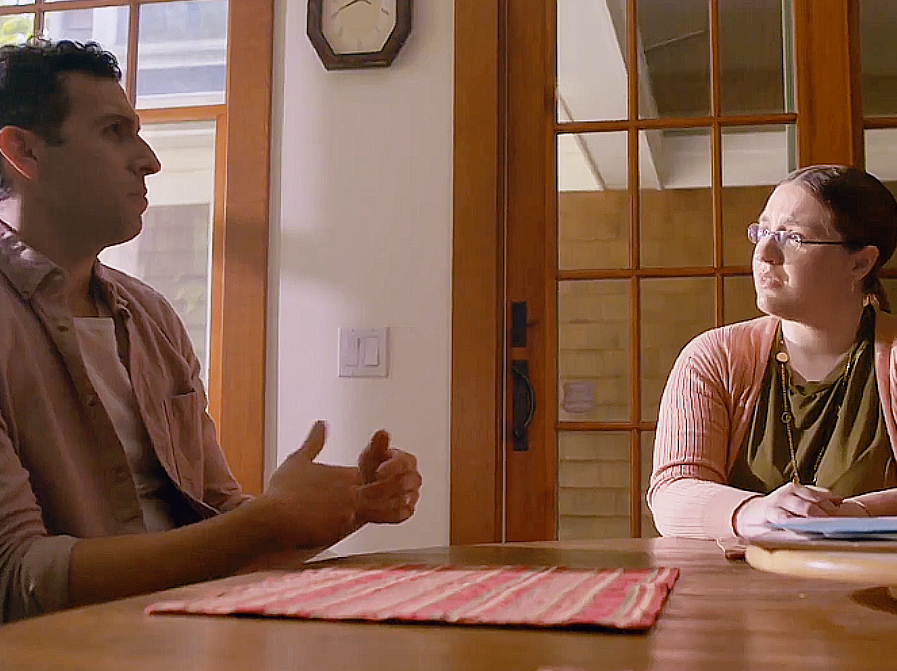
The Illness Sherry Could Not Explain
Sherry had lived with diabetes since she was 19 and required insulin and regular blood-glucose checks. Dodd’s nursing background made his attention feel reassuring. He checked her blood sugar, watched whether she needed to eat and appeared intensely concerned about her health. To Sherry, that care felt like love.
Then came an episode she could not explain.
She became severely ill and remembers that her blood sugar was high. She wanted to sleep. Dodd appeared to be caring for her, checking her blood sugar and giving her insulin. She recalled him saying that he was giving her insulin. After that, she remembered nothing.
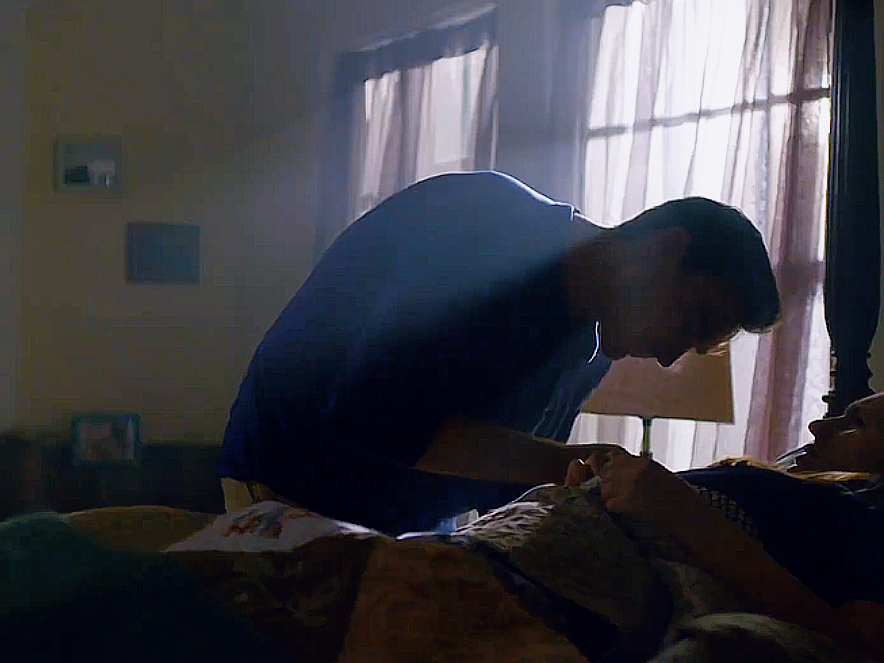
Sherry said she remained in a haze for what she estimated was at least three days. She could not remember eating or describe what happened during that period. Looking back after learning more about Dodd, she wondered whether she had been drugged and whether he could have taken advantage of her while she was unconscious. She also said she did not want to know the answer.

A Pregnancy, a Warning and a Buried Past
About five months into the relationship, Sherry learned she was pregnant with twins. She was excited. She believed Dodd was not. His manner toward her changed, and she interpreted it as a sign that he did not want the babies.
During the pregnancy, Sherry said she lacked basic supplies for children. When she told Dodd she planned to buy furniture, clothes and diapers, he told her absolutely not. When she asked why, he said the twins might not survive. He attributed the statement to her health, but Sherry found it shocking and without a clear reason.
The comment made her more protective of the babies. It also became another moment when she sensed that something was not right, even though she did not know whether Dodd intended to harm her or the children.

A separate warning came from Sherry’s former husband, who was a police officer in Carl Junction at the time. He told her that there were issues she needed to investigate because Dodd was not who he seemed. Dodd, he said, had a past and she needed to do her research.
Sherry initially assumed jealousy was influencing her former husband. She was rebuilding her life, and she thought he might resent seeing her move on. Still, the warning stayed in the back of her mind.

When Sherry asked Dodd about it, he became tense and said he had done nothing. He explained that he was considered a person of interest because, while living in Branson West, he had spent time with a girl in Hollister. According to the account he gave Sherry, he had gone there to party and have sexual encounters, but the girl did not really want to do anything with him. He said he left and did not know what happened afterward. The next morning, she was dead.

The Search That Changed the Relationship
The doubt became harder to avoid when Sherry returned home and saw patrol cars outside. State patrol officers had entered the house and were searching through her belongings. She described the experience as a punch in the stomach: strangers were moving through her private life, examining her home and looking for something she did not yet understand.
She soon realized the search concerned Rebecca’s murder. The broadcast identifies Rebecca Sutton as a 19-year-old who went missing from a Hollister home in 2003, leaving behind her two-year-old son. An earlier reporter passage calls her Becky Sutton; this article follows the later interview and courtroom references, which use Rebecca Sutton. The material also states that Susan Sutton had waited five years for answers and that investigators were reexamining evidence and speaking with witnesses.
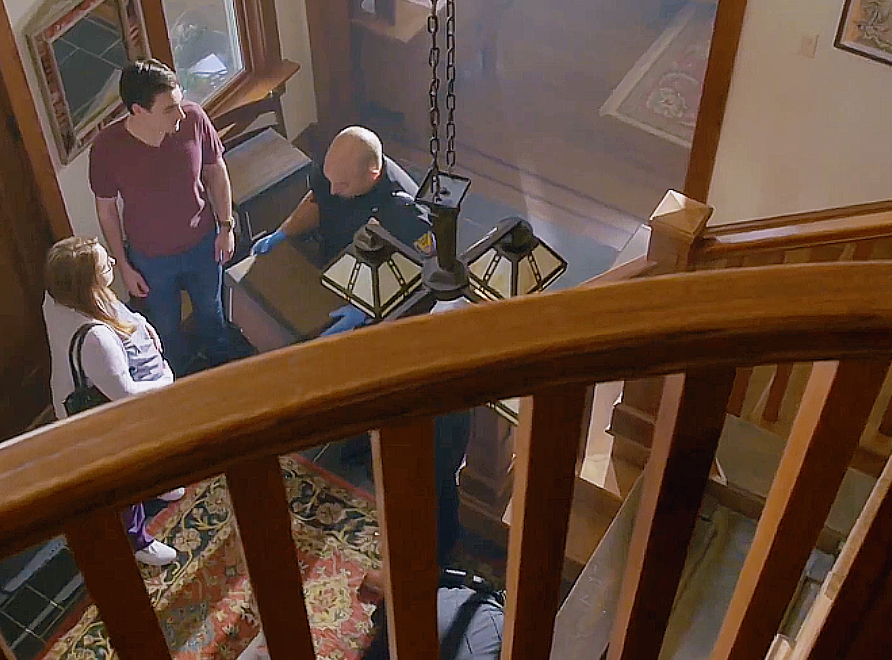
After officers left, Sherry and Dodd were alone in the room. She was frightened and emotionally overwhelmed. Dodd, by contrast, appeared confident, as if the search would reveal nothing. When she asked why investigators continued to focus on him, he said they had singled him out and might have the wrong person.
Sherry partially believed him. She understood that police could make mistakes. But she also recognized that something was not adding up.
She stopped staying with Dodd immediately after the search and told him she was not coming back. She had moved out, but leaving did not instantly resolve the fear. She had believed she knew him. Now she had to confront the possibility that she did not.
A Marriage Built on Hope
After the twins were born, Sherry and Dodd were separated. She was scared about the future but determined to protect the children. She described the babies as the focus of her life and said she wanted to make things work.
Despite what she had learned, she still believed she might need Dodd. She had not seen him commit an act of violence, and she did not believe he could be violent. Two or three weeks after the babies were born, they got back together. Sherry hoped he would return to the caring, confident man she had first known.

The reunion led to a quick marriage. Near a place where couples could walk in and get married, Dodd asked her spontaneously. Sherry was wearing shorts and tennis shoes, but the moment felt romantic to her. She said it seemed like the man she had fallen in love with had returned. She agreed, and they were married.
For years, she kept the wedding ring. It represented the dreams she had once held for the relationship, even though she later described the marriage as a nightmare marked by lies, violence and emotional abuse.

The Attack in the Car
The relationship changed again during a drive. Dodd was driving, Sherry was in the passenger seat, the twins were in the middle seat and Dodd’s two boys were seated behind them.
Sherry had learned that Dodd was experiencing serious financial problems that appeared connected to a gambling addiction. She made an offhand comment. Dodd became angry in a way she had never seen before. She looked into his eyes and said she did not know who he was.

Then he reached across from the driver’s seat and put his hands around her throat.
Sherry tried to remove his hands and cried for him not to do it in front of the children. She screamed for him to get off her and leave her alone. Eventually, Dodd stopped. Sherry described the incident as traumatic not only for herself but also for the children who witnessed it.
According to her account, Dodd treated the attack as though she had caused it. He told her she deserved it because she had made him angry. Sherry ordered him out of the vehicle and said he was never to come around her or the twins again. She left.

Afterward, the danger felt real in a way it had not before. Sherry believed that if the children had not been present, Dodd might have gone further. When asked whether she thought he might have killed her, she said she believed he would have come close.
She no longer felt safe. She believed Dodd was getting worse and feared what might happen next.
The Bank Robbery Confession
Sherry had heard about a bank robbery but paid attention mainly because it involved the bank she and Dodd used. At first, nothing about the report seemed abnormal to her. Approximately a week later, Dodd called her at work and said he needed to talk.
He asked whether she knew anything about the bank robbery in Joplin. Sherry said she had seen it on the news but knew nothing about it. Then Dodd told her that he was the person who had committed it.
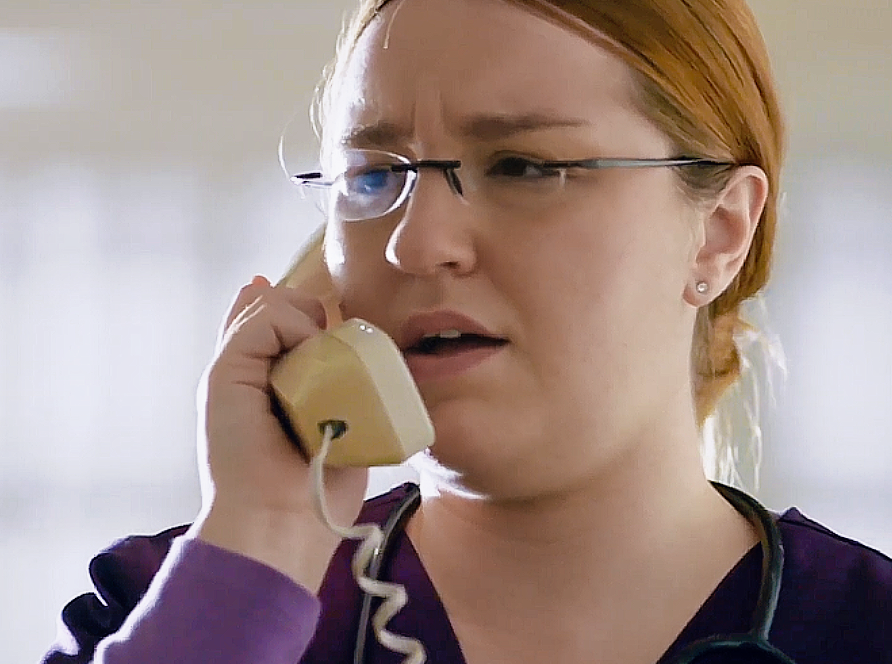
He asked her to meet him the next day at a park in Carl Junction. Sherry was bewildered and shocked. She did not immediately call police because she was afraid. She feared that if she reported him and he got out, he would come to her house. The decision was not simply about reporting a crime; it was also about managing the risk posed by a person she believed could hurt her.
Dodd told her that the FBI was following him everywhere. Sherry recognized what she described as severe paranoia and a loss of touch with reality. When he asked what he should do, she told him they needed to turn him in to the police department.
Dodd eventually agreed.

At the police station, Sherry told the front desk that she had brought in the person authorities were looking for in connection with the Joplin Metro Credit Union robbery. The employee initially thought she was joking. Sherry pointed out that Dodd was standing right there. An officer verified his identity, confirmed that he had robbed the bank and took him away in handcuffs.
A patrolman later told Sherry that investigators had had no prospects and no idea who had robbed the bank. Without Dodd’s confession, he might have gotten away with it. Sherry described the day as the best day of her life.
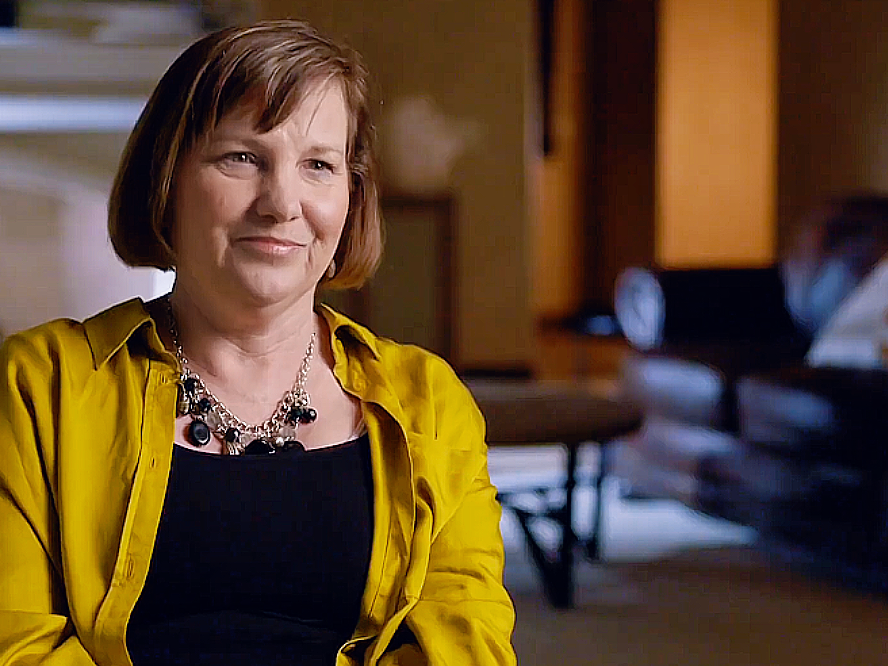
The Murder Confession and Rebecca Sutton’s Family
Dodd’s bank-robbery confession was not the final revelation. He also confessed to killing Rebecca Sutton.
The broadcast describes Rebecca Sutton as a 19-year-old woman who disappeared from her Hollister home in 2003. Her two-year-old son was left behind. The passage of time did not erase the family’s need for answers. Susan Sutton had waited years while investigators revisited the evidence and spoke with witnesses.
When Sherry looked at photographs of Rebecca, she focused on the ordinary humanity of a young woman who did not deserve to die. She spoke about Rebecca’s family and the pain created by the uncertainty over where their daughter was. The loss was compounded by the years without answers.

The confession also forced Sherry to connect two events she had previously held apart: the murder Dodd had described when explaining why police considered him a person of interest, and the violent rage she had personally experienced in the car. When she thought about Rebecca’s death, she remembered Dodd’s hands around her throat. The connection left her shaken.
Sherry later saw an image of the wooded area where Dodd hid Rebecca’s body. The broadcast states that he concealed the remains beneath a rock ledge and covered them with rocks. For Sherry, the location represented the years in which Rebecca’s family had asked where she was.

A Guilty Plea in Taney County
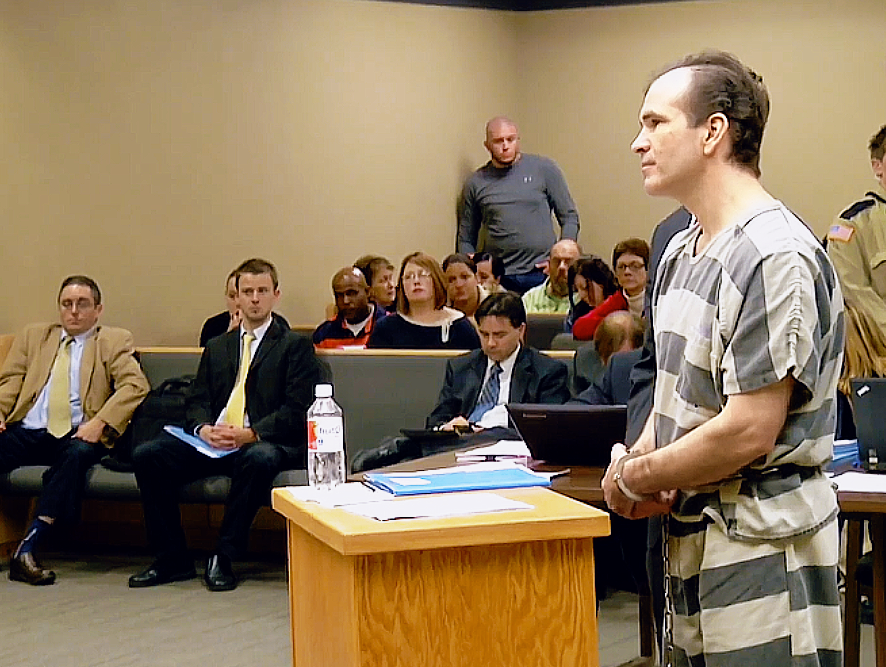
The Sutton family filled the first two rows of a Taney County courtroom, waiting for a confession a decade in the making. The broadcast reports that Dodd admitted strangling Rebecca Sutton and dumping her body, then pleaded guilty to second-degree murder.
In court, the judge asked Dodd how he pleaded to the charge. Sherry described the sight of him being judged and admitting what he had done as satisfying. She believed the moment was equally meaningful for Rebecca’s family.
For years, Dodd had remained beneath the radar. Sherry called him a master manipulator and questioned what truth had existed in their marriage, which she viewed as built on deception, violence and emotional abuse.
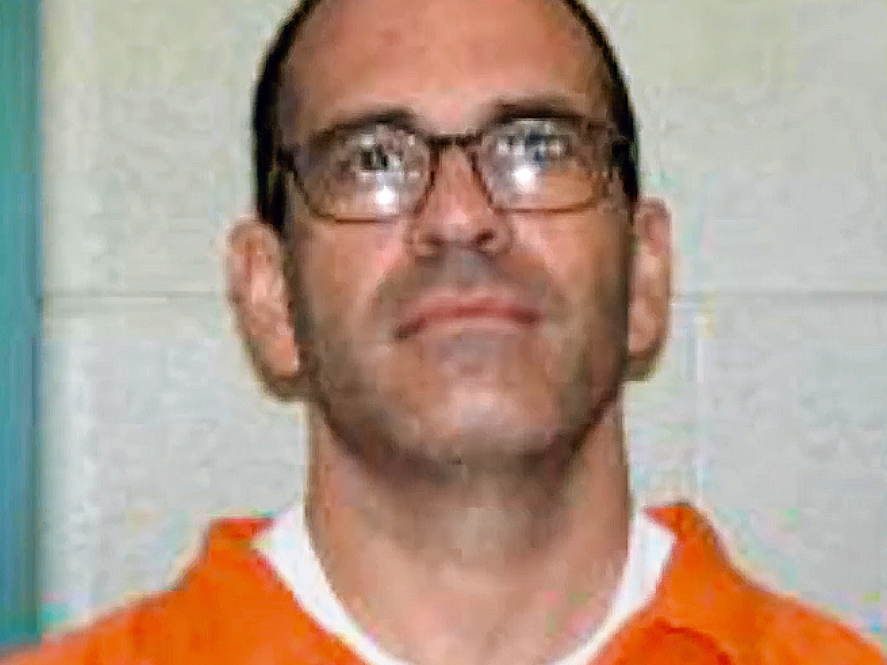
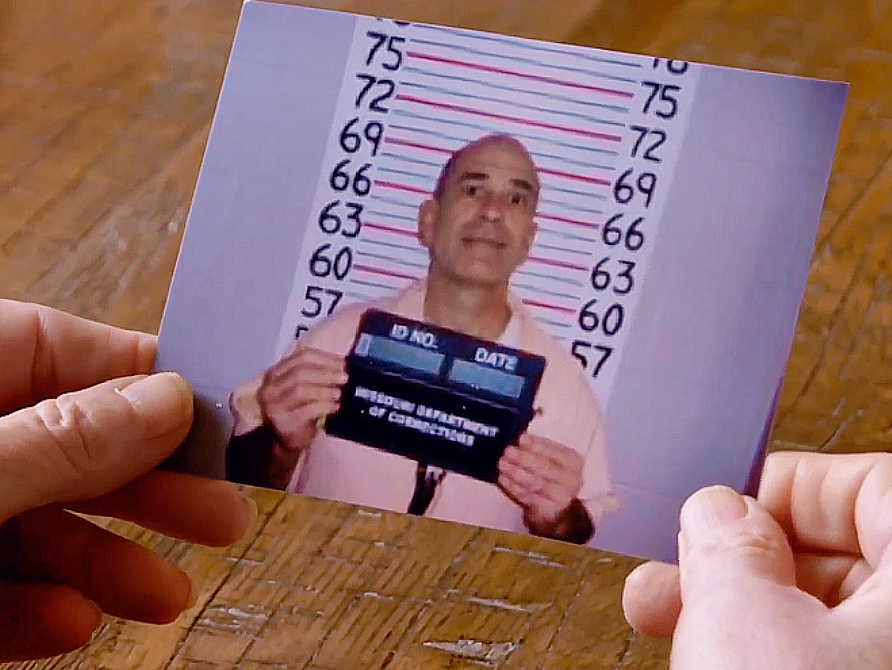
The later images of Dodd in a Missouri prison affected Sherry in a different way. She found him frail and weak, but she also recognized that she was still afraid of him. She reminded herself that she had helped put him away so he could not hurt anyone else. On the day she brought him to the police station, she had felt that she possessed the power. Seeing him imprisoned gave her a renewed sense of it.
Sherry said Dodd should never get out and that she believed he would kill again. She did not want to see him again.
What Sherry Says She Learned
Sherry’s reflection is not a simple lesson about intuition. Her family sensed something wrong before she did, but her relationship, circumstances and hopes made those warnings difficult to accept. She was navigating pregnancy, financial vulnerability and fear after Dodd’s behavior became violent.
Her advice to her younger self is direct: trust your heart, trust your feelings and listen to the people around you. Sometimes, she said, another person may see part of the picture that you are missing.

After Dodd, Sherry said her life became very good. The twins were doing well and had finished high school. She no longer saw herself as the weak person she had once believed she was. She described herself as a survivor.
Rebecca Sutton’s story ends in loss, and her family cannot recover the years taken from them. Sherry’s survival does not erase Rebecca’s life or the harm Dodd caused. But it shows how a person can conceal violence behind competence, family life and apparent care—and how difficult it can be for someone close to him to recognize the full truth.

FAQ
Who was Rebecca Sutton?
Rebecca Sutton was a 19-year-old woman who, according to the broadcast material, went missing from her home in Hollister in 2003. She left behind a two-year-old son. Philip Dodd later confessed to killing her.
Who is Philip Dodd?
Philip Dodd was a licensed practical nurse who became Sherry’s partner and later her husband. The source material says he confessed to robbing the Joplin Metro Credit Union and to killing Rebecca Sutton. He pleaded guilty to second-degree murder in Taney County.
How did Philip Dodd come to police attention?
Dodd told Sherry that he was considered a person of interest because he had been associated with a girl in Hollister who later died. The source material also describes a police search of Sherry’s home connected to Rebecca’s murder investigation.
What happened during the bank-robbery investigation?
Dodd called Sherry about a week after she heard about the robbery and admitted that he had committed it. He later agreed to go with her to a police station, where officers confirmed his identity and took him into custody.
What did Philip Dodd plead guilty to?
The broadcast reports that Dodd admitted strangling Rebecca Sutton, disposing of her body and pleading guilty to second-degree murder.
What warning signs did Sherry describe?
Sherry described several troubling experiences, including an unexplained period of severe illness, Dodd’s response to her pregnancy, warnings from family and her former husband, the police search of their home, financial problems connected to gambling and an attack in which Dodd choked her in a vehicle.
What happened to Sherry after Philip Dodd’s arrest?
Sherry said she rebuilt her life and that the twins were doing well and had finished high school. She described herself as a survivor and said she was no longer the weak person she once felt she was.