When Daniel woke inside the trunk of a car, he did not know where he was. His head hurt. The trunk was open. Nearby, he heard a shovel cutting into the ground. Then he saw his father digging a hole.
The child understood only one thing: his father believed he was dead and intended to bury him.
Daniel called out. His father looked over, startled to find him alive. The moment passed. The man left. Daniel survived, but the question never did: Why had his father let him live?
Years later, Daniel would learn that the man who had terrorized his family had been convicted in the killing of Pam Hudgens. He would also hear, for the first time, that his father had killed Inez Deaton in 1979 with an ice pick. He would discover details about other victims, including a child.
For Daniel, those revelations did not create a monster. They gave a name to the one he had already known at home.

The Family Photograph
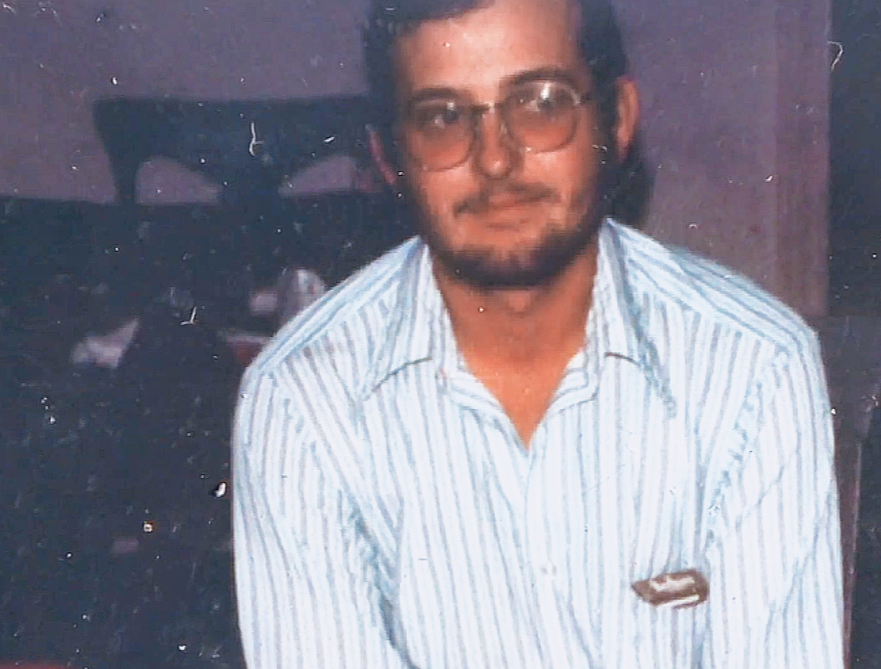
Daniel begins with an ordinary picture: a family gathered together, including uncles, aunts and grandparents. In the photograph, his father appears to be part of a normal family. But Daniel does not see an ordinary parent when he looks at the image. He sees what came after it: the man who tormented him, abused his mother and siblings, and eventually became a convicted killer.
That contrast is central to Daniel’s account. The photograph offers no visible warning. It does not explain how a family that looked normal from the outside became a place where children learned to move quietly, avoid attention and wait for danger to pass.

Daniel does not describe his father as suddenly becoming violent. He says the abuse began slowly and escalated. He remembers a household where affection was absent and tension was constant. His father never tucked the children in or told them he loved them. The children learned to walk on eggshells when he was nearby.
The family’s story began when Daniel’s mother met his father in a bar in Mexico. At the time, she had two children, a boy and a girl. Daniel says the man brought things for the children and promised to help change their lives. He told her they could come to the United States, that he would adopt the children, and that they could build a better life there.
It was a promise that, Daniel says, almost anyone would have wanted to believe. The reality was different.

A Home Built on Isolation
The family lived in a small log cabin that they called the Compound because no one else lived nearby. Daniel describes a place surrounded by distance: no neighboring children, no nearby community, and miles between the cabin and the closest person. His grandparents were there, but the family remained isolated from the world around them.
That isolation mattered. It limited the children’s contact with other families and made the abuse harder to see from the outside. Daniel remembers relatives who visited his grandparents. His cousins appeared happy and unafraid. Their fathers played with them. They wore good clothing. Daniel and his siblings walked barefoot.
The difference showed him that his home was not normal, even before he could fully explain why.

Inside the cabin, his father controlled the atmosphere. Daniel recalls an early incident at the table. His brother was full and did not want to eat more. Their father walked around the table and backhanded him. When their mother moved to protect the boy, the father hit her as well, accusing her of treating the child like a baby and insisting that the children had to learn to grow up and be men.
Daniel remembers the response that took hold inside him: frozen fear. He did not want to be next.
As a child, he understood the family in simple terms. His father was the evil person. His mother was the loving and protective one. But the child also understood that survival required him to grow up quickly. Daniel says he had to mature fast because he would not have survived otherwise.
When Fear Became the Family Routine
The violence did not remain limited to blows. Daniel describes nights when his mother screamed for his father to stop and let her go. He did not always know what was happening. He knew only that she was crying and in pain.
The children cried quietly so their father would not hear them.
The next morning, the evidence could be visible: a split lip, a bruised eye, or a scratch on their mother’s neck. Those images stayed with Daniel. He describes the lasting feeling as helplessness—the pain of watching a parent suffer while lacking the power to stop it.
His father also disappeared for trips, sometimes for about a week. Daniel did not know what work he did or where he went. When the man was away, the children were relieved. They hoped he would never return. As an adult, Daniel came to believe that his father may have been killing and raping during those trips, but the SRT presents that as Daniel’s belief rather than a fully documented account of every trip.
Daniel’s explanation is that his father did not become a killer overnight. He believes the violence had always been present and that Mexico may have served as a hunting ground before his father met Daniel’s mother. That is Daniel’s interpretation of his father’s history, shaped by what he later learned and by what he experienced as a child.

When the man returned, the household changed immediately. Daniel describes the feeling as knowing that the devil was about to walk through the door. The children tried not to be seen. They kept away from him and waited for the next outburst.
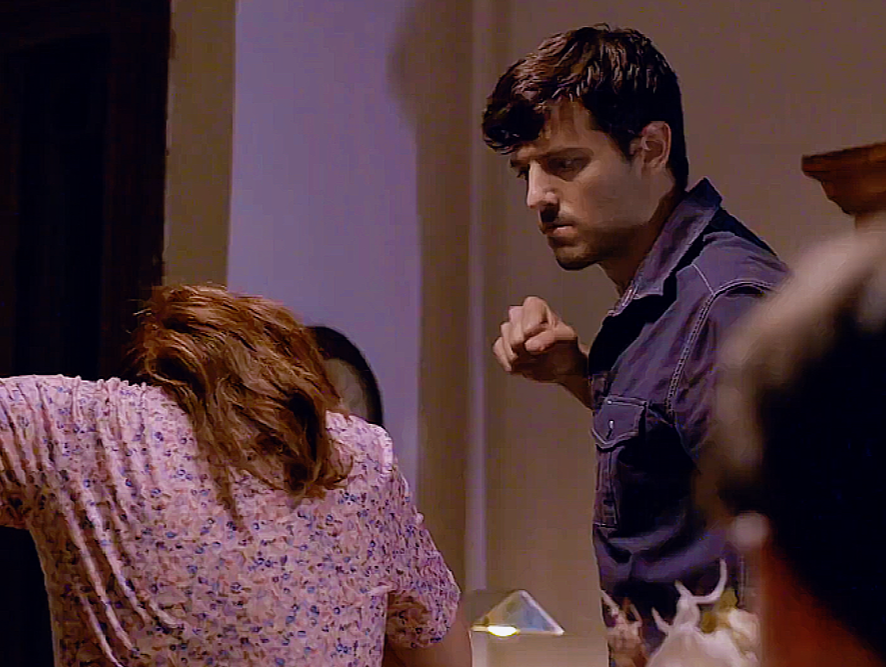
One incident involved Daniel’s older sister. The family was sitting quietly on a sofa when the father called the girl over. Their mother told her to stay where she was, then went to see what he wanted. Daniel remembers his sister saying no as the father began hitting her. He dragged her by her hair to a closet, threw her inside, closed the door and placed a chair in front of it.

The children heard screaming and knocking. Their mother pleaded with him not to continue. Daniel was young and did not understand the sexual nature of what was happening. He knew only that his sister was being hurt and that he could do nothing.
Later, he understood that his father had sexually abused her. The memory became part of the larger pattern Daniel describes: his father did not merely frighten the family. He controlled, assaulted and imprisoned them inside their own home.

The Escape That Failed
Daniel’s mother eventually tried to seek help in public. The family went to a store, something Daniel says they had not done before. His mother begged people to help her. She cried and pleaded, but no one seemed to listen.
Then the father saw her.
He grabbed her, pulled her back toward the car and ordered the children inside. Daniel says the father pulled out a gun and held it to his mother’s head. Until that moment, Daniel did not know the man had a gun. The father threatened to kill her before she could leave.
Daniel believed she was going to die in front of them. He remembers thinking that the man might end her life there. It was the last time the family went out with him.

The SRT does not provide a precise date for this incident. It does establish the sequence: the public plea for help, the father’s intervention, the gun threat, and Daniel’s belief that his mother was in immediate danger.
Daniel later says he could not understand how his mother had survived so much. In his childhood memory, she had been reduced by years of abuse to someone who tried to do whatever would keep the father calm. But beneath that compliance, she was searching for a way out.

A Child’s Grave
The opportunity came on a Sunday morning. Daniel’s father went to church with Daniel’s grandparents. His mother used the phone, returned to the house and began throwing belongings into a bag. A car waited at the end of the road.
She gathered several of the children, including two younger brothers, an older brother and an older sister. Daniel and another brother were left behind because she did not have enough money to take everyone on the bus to Mexico.
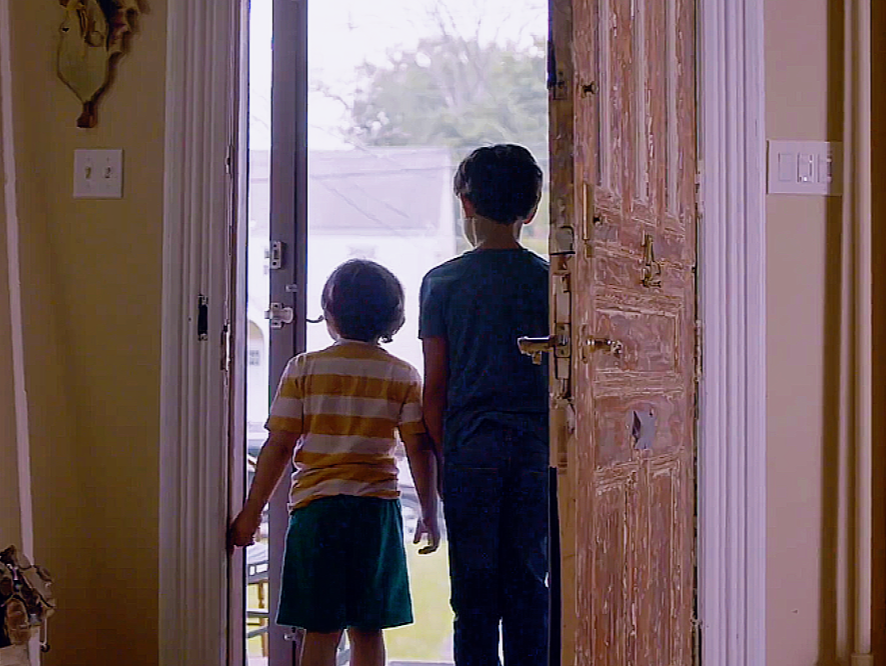
Daniel says he was about seven years old and his brother about six. He begged to go. His mother told him she would come back. He knew she was leaving, but he did not understand why she could not take him with her.
As an adult, Daniel understands the decision differently. He says his mother had to leave because she would have died if she stayed. As a child, however, he experienced the departure as abandonment. She was leaving him with the person he considered a monster, and he did not know what would happen when his father returned.
The father came home and demanded to know where their mother was. Daniel said he did not know. The father asked again, more aggressively. When Daniel repeated the answer, his father hit him until he blacked out.

Daniel woke in the trunk of a car.
The trunk was open. He heard a shovel. Then he saw his father digging a hole. Daniel believes the man thought he had killed him and intended to bury him. When Daniel spoke, the father looked over in shock. He asked where the mother had gone and who had taken her. Daniel continued to say he did not know.
The father then got into the car and left.
Daniel never learned what stopped the burial. He has replayed the scene in his mind countless times and continues to ask why his father let him live. He wonders whether waking up forced the man to confront reality. He wonders whether something else intervened. The answer remains unknown.
What Daniel does know is that the hole was his grave.

The Window Rescue
After Daniel’s mother left, the father was rarely home. When he was gone, the children were often locked inside the house for hours. They survived on what two children could find, including cereal and chips.
Then came a knock at the window.
Daniel looked over and saw his mother. She was frightened and kept checking whether the father was nearby. When she determined that he was not there, she cut through the screen, lifted the window and pulled the children out.

The rescue brought relief, but not complete safety. Daniel and his brother still feared that their father might return or find them. Their mother hurried them down the road to a waiting car.
Daniel describes her return as a sacrifice. She had already escaped, but she came back for the children she had been forced to leave behind. In doing so, she placed herself at risk again.
The family reached the border. Daniel remembers his mother carrying his brother while holding Daniel’s hand. They ran past people in different-colored uniforms and heard Spanish being spoken. Behind them, Daniel’s father shouted and tried to stop them.
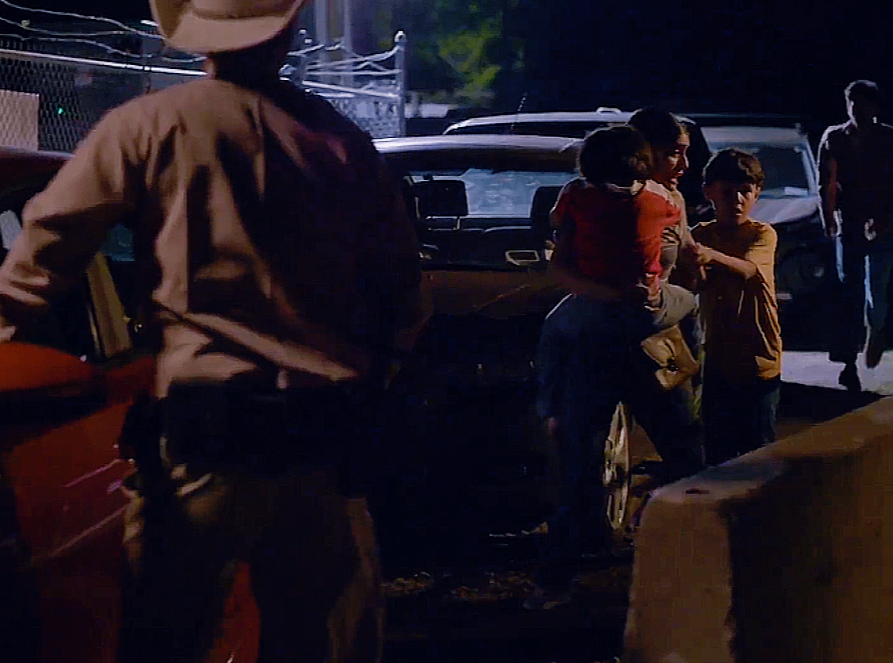
At the border, Daniel says his mother asked Mexican police officers for help. He remembers that the officers would not hand the family over to the father and that someone intervened to stop him. The family crossed into Mexico, and Daniel remembers the first breath of relief: they were free from him.
The father threatened that he would come back for them. But in Mexico, Daniel says, the children were able to be children again. They climbed trees, played with other children, swam and ran down the street. They did not have much, but they had peace while the father was absent.
Freedom in Mexico—and a Prisoner in Texas
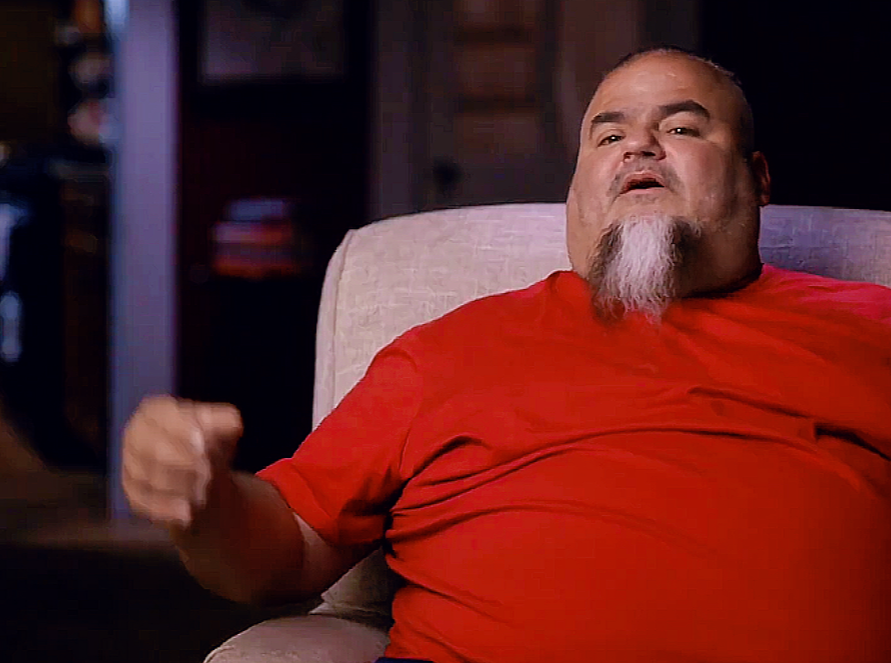
Years later, Daniel’s mother told the children they were returning to the United States. The reason was that Daniel’s father was in prison. To Daniel, that meant the man could not come after them.
Daniel did not ask what his father had done. He did not want to know. He wanted the man erased from his mind and memory. A few years later, the family learned that the father was a killer and murderer. Daniel says the news did not shock him. As a child, he had already believed his father was capable of killing.

Daniel’s grandparents later wanted to take the children to Texas to visit their father in prison. Daniel did not want to go, but younger brothers who did not remember the abuse wanted to see him. Daniel went to watch over them.
The prison visit confirmed what he already believed. His father wore prison whites and tried to present himself as powerful, almost like a figure who wanted to appear dangerous. Daniel saw something else: a weak man performing toughness.
Daniel kept his distance. When the father tried to speak to him, Daniel refused to engage. He says he saw no remorse in his father’s eyes. He saw the same person who had tormented his family.

What Daniel Learned About His Father’s Victims
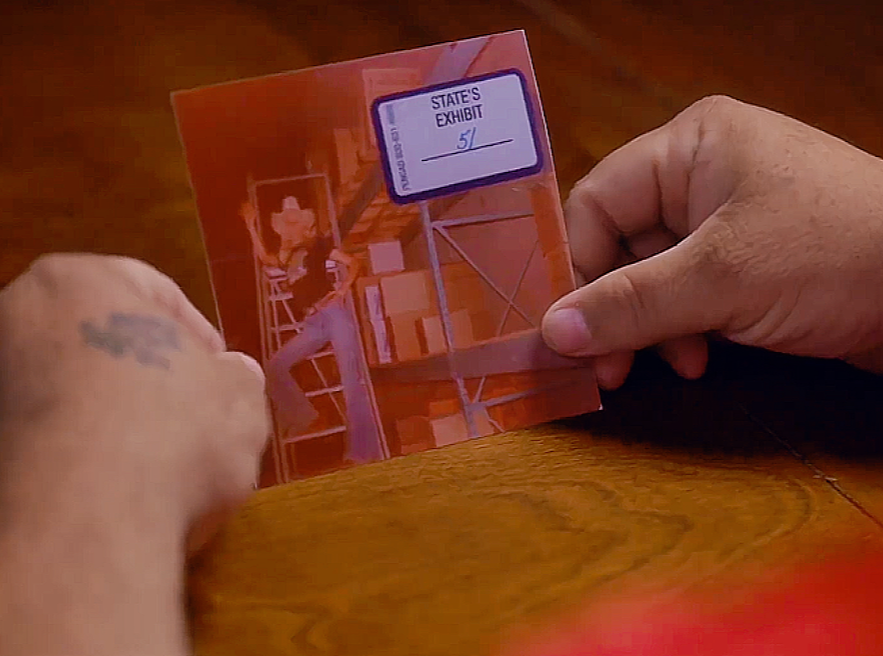
During the interview, Daniel is shown photographs and learns details he had never known.
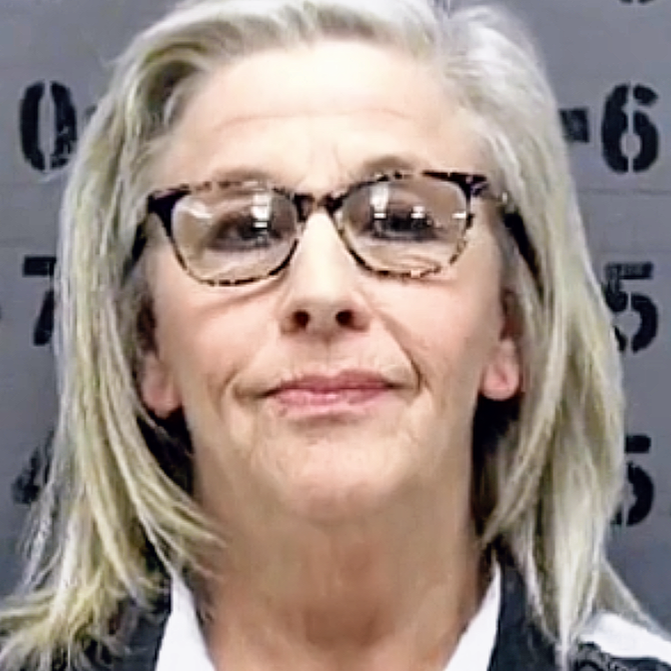
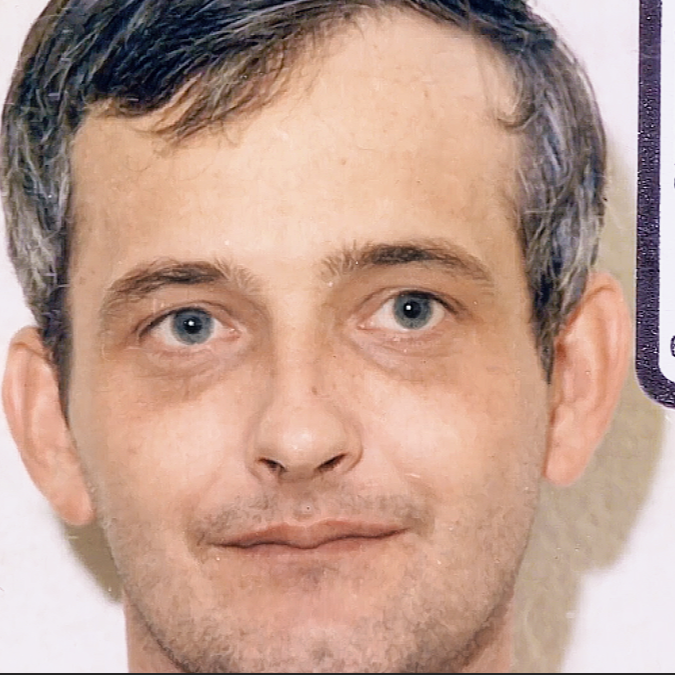
One photograph is identified as Pam Hudgens. The producer tells Daniel that his father was convicted and sentenced to 25 years in prison for her murder, and that he served eight years. Daniel reacts with disbelief and says the sentence did not feel like justice.
Another photograph is identified as Inez Deaton. The producer says she was killed by Daniel’s father in 1979 with an ice pick. Daniel says this is the first time he has seen her photograph and that he did not know his father had killed her.
The revelations force Daniel to reconsider the danger that had surrounded his childhood. He had already known his father as an abuser who could beat a child, assault a woman and place a boy in a grave. Now he was seeing the names and faces of women who had been killed.
The SRT also references the killing of a child and crimes involving rape. It does not provide enough detail to identify every victim, establish every date or independently document every allegation. Those details should not be expanded beyond what is stated in the source material.
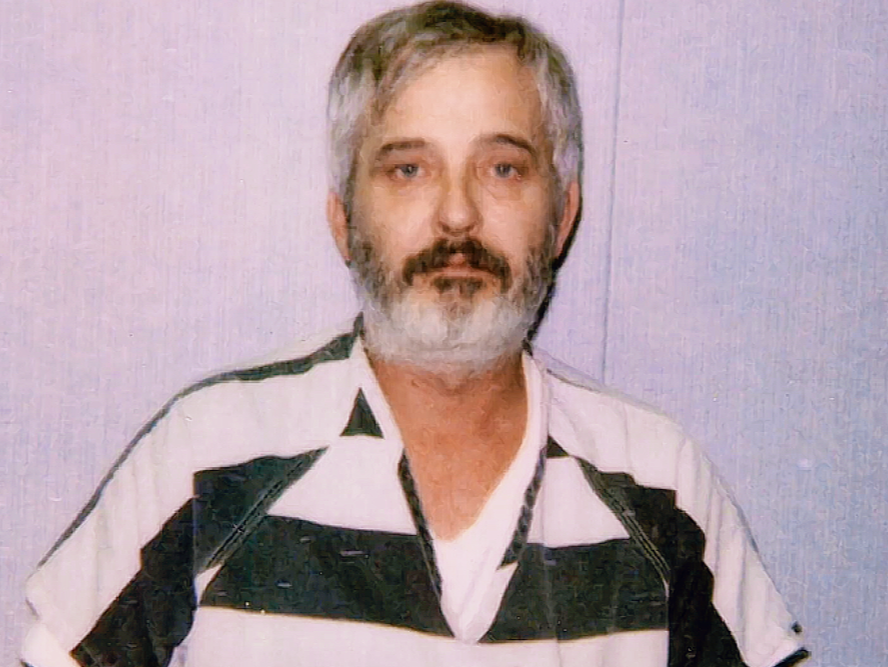
For Daniel, the emotional connection is immediate. When he hears his father minimize or claim not to remember what he did, Daniel rejects the idea that the crimes were accidental or forgotten. He believes his father knew what he was doing and that the meekness shown later was an act.
Daniel compares his own experience with the victims’ vulnerability. His father had already placed him in the trunk of a car and dug what Daniel believed was his grave. His sister had been assaulted. His mother had been threatened with a gun. The difference between surviving and becoming another victim, Daniel says, depended on escape and circumstance.
“If my mom didn’t come back for us,” he says in substance, “that could have been all of us.”
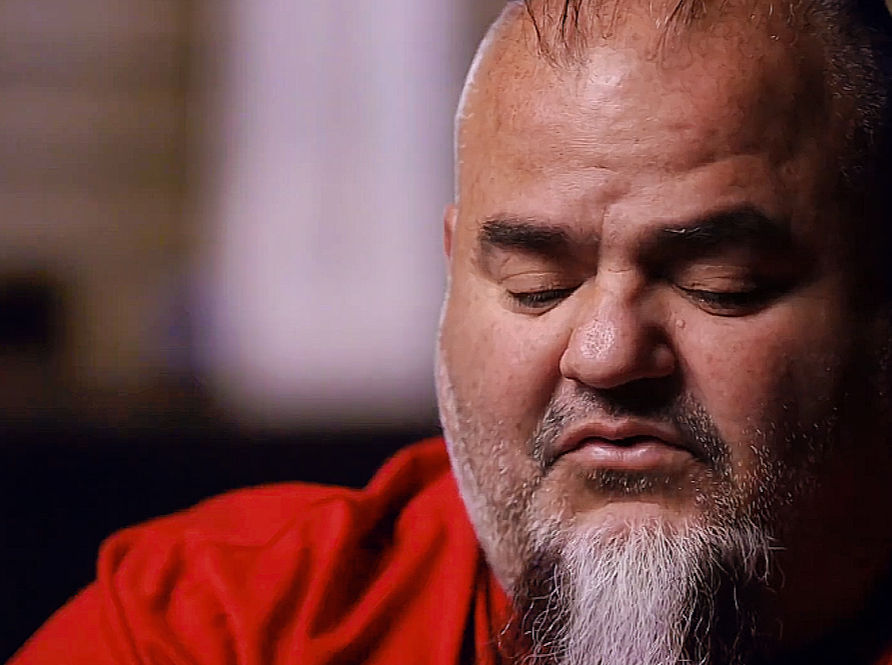
The Wounds That Do Not Close
Daniel’s anger is not presented as a simple desire for revenge. It is tied to memory, responsibility and the fear that the public will forget what happened. His mother has encouraged forgiveness and forgetting. Daniel cannot accept that approach.
He says people need to know. They need to understand what happened and recognize warning signs. He wants adults to watch and protect children from people who conceal their intentions behind an ordinary appearance.
The language he uses is severe because the memories are severe. He describes his father as a predator, someone who could have continued until he was stopped or killed. He expresses no pity for him and says the lethal injection was too good for what he had done.

At the same time, Daniel’s account makes clear that the consequences did not end with his father’s imprisonment or death. He says there is no final closing of the door on a trauma that scarred someone for life. A sound, image or situation can trigger the memory. The past returns without permission.
The family photograph at the beginning of Daniel’s story therefore becomes more than an image of a normal household. It becomes evidence of the distance between appearances and private reality. Nothing in the picture shows the isolation of the cabin, the violence at the table, the cries behind a closet door, the gun held to a mother’s head, or the child waking beside a freshly dug hole.
Daniel’s survival did not erase those events. It gave him the ability to describe them.
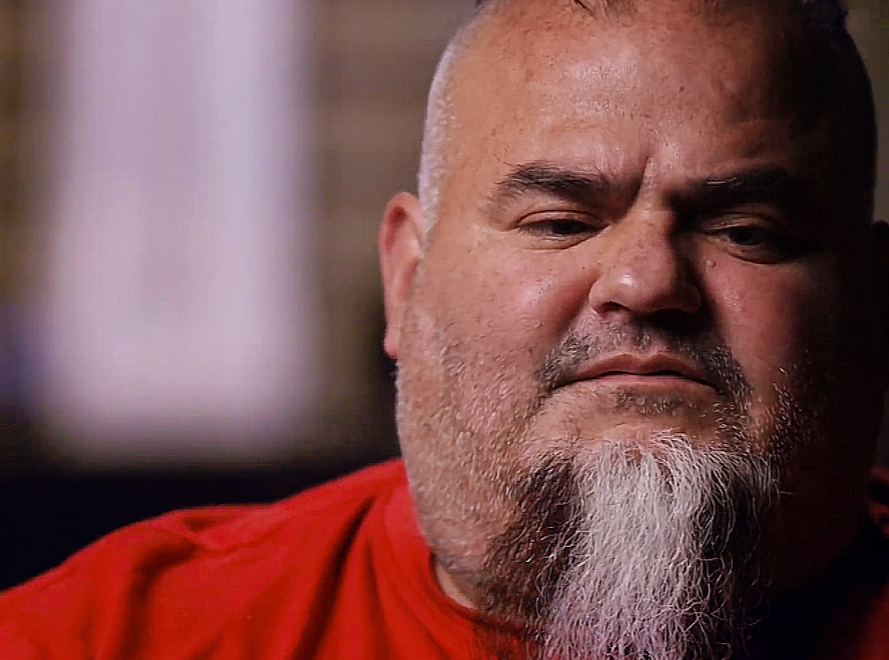
His story is also a warning against treating a quiet household as a safe one. Abuse can remain hidden behind distance, family loyalty, fear and the absence of witnesses. Children may not have the vocabulary to explain what is happening, but they can still recognize danger. They may learn to whisper, hide, watch a doorway or wait for an adult to leave.
Daniel eventually learned more about the scale of his father’s violence through photographs and disclosures made during the interview. But the core truth had been present much earlier. He had lived with it before he knew the words for murder, rape, coercion or predation.

The lasting question is not only why Daniel’s father became violent. It is also how many people around the family failed to see—or failed to respond—before the children reached the border, the prison, the grave and the aftermath.
Daniel does not claim that sharing the story will create closure. He says the scar remains. But he believes telling the truth can help other people recognize danger before a child has to survive it.
FAQ
Who is Daniel in this true-crime story?
Daniel is a survivor who describes growing up in an isolated home with a violent father. He recounts abuse against his mother and siblings, his own severe beating, and an incident in which he woke inside a car trunk while his father dug a hole nearby.
What happened to Daniel when he was in the car trunk?
Daniel says his father beat him until he blacked out, placed him in the trunk of a car and began digging a hole. Daniel believes the father thought he was dead and intended to bury him. Daniel woke before the burial took place, and the father left.
Why did Daniel’s mother leave some of the children behind?
According to Daniel, his mother was trying to escape to Mexico but did not have enough money to take everyone on the bus. She told Daniel and another brother that she would return. She later came back through a window and helped them escape.
How did the family get away from Daniel’s father?
Daniel says his mother returned for the children, took them toward the border and asked Mexican police for help. The officers did not hand the family over to the father, allowing them to cross into Mexico.
Who was Pam Hudgens?
The SRT identifies Pam Hudgens as a woman whose murder led to Daniel’s father being convicted and sentenced to 25 years in prison. Daniel is told that his father served eight years.
Who was Inez Deaton?
The producer identifies Inez Deaton as a woman killed by Daniel’s father in 1979 with an ice pick. Daniel says he did not know about her killing before seeing her photograph during the interview.
Does the SRT identify Daniel’s father by his full name?
No. The supplied SRT refers to him as Daniel’s father and includes the name “Daniel Sr.” in a recording label, but it does not provide a complete, independently verified identification. This article therefore does not add a full name that is not present in the source.
What is the main message of Daniel’s story?
Daniel wants people to understand that abuse can be hidden and that children need protection from dangerous adults who may appear ordinary. He also emphasizes that trauma can continue long after a victim escapes.